Obsolete but Preferable: The Role of Textbooks in the Modern Social Studies Classroom
Mitchell Meyer
Introduction
Despite everything we’ve been led to believe over the past two decades, books have not completely disappeared from our society, nor our schools. Indeed, the world has rapidly moved in the direction of technological reliance at a seemingly infinitely higher rate since it entered the 2020s. This is especially true in educational settings, as teachers have begun to use a vast array of online tools, and many students across the country are more and more completing digital assignments. Yet, with all of this progression, texts themselves have not been completely phased out. No analyzation of the American education system can be generalized for every single school, let alone every single teacher. However, it is clear that the majority are still based on or at least reference some form of text. Still, this begs a question regarding the nature of the role that physical textbooks still play in the modern classroom, especially social studies ones considering so much of said subject is based on text interpretation. Ultimately, it is clear that textbooks generally are no longer the sole basis for classes’ entire curricula but are still used as valuable reference points. In addition, there has been a major shift away from traditional physical textbooks, and a move towards more differentiated options.
Literature Review
To begin my research, I first looked into suggestions on how textbooks could continue to be useful tools. As my research isn’t catered towards one specific grade level, the article “A Content Analysis of Vocabulary Instruction in Social Studies Textbooks for Grades 4-8″ by Janis Harmon, Wanda Hedrick, and Elizabeth Fox from The Elementary School Journal proved a useful starting point. These authors posit that the real issue with the current usage of textbooks is not the book itself, but the way it is used. The primary alternative method of using textbooks regards vocabulary terms. Specifically, the authors claim that “effective practices for promoting vocabulary development stress the importance of instruction that affects comprehension, not just word knowledge alone” (Harmon, Hedrick, and Fox, 254). Thus, textbooks can’t be used to create simple repetition practices, they have to challenge the students in innovative ways which force them to exercise critical thinking skills about the matter at hand. Therefore, vocabulary terms are one of the most essential parts of a textbook, but there must be a dramatic shift away from how this device is being used at present, and how it has been used in the past.
The second article, and perhaps the most important I read, comes from the Georgia Educational Researcher and was written by two professors from Spelman College in Atlanta, Georgia, Dr. Amber Reed and Dr. Bailey Brown. Their article “Divergent Representations of Africa: A Qualitative Analysis of Georgia Social Studies Textbooks” explores the complexities of textbook usage in the deep American South, and how inherent biases towards various cultures is manifested in their content. In their research of Georgia’s public schools, they found that these issues are systemic and institutionalized. As such, they claim that “research also finds that educators are often ill-prepared to teach global perspectives in the social studies curriculum and that teachers’ biases and Eurocentric framework for teaching material can reproduce misconceptions about other countries” (Brown and Reed, 26). Thus, the biased nature of textbooks, at least in Georgia, is almost guaranteed for renewal as such misconceptions are carried down from one generation to the next. Therefore, there is likely little malicious intent in textbook bias, but failing to recognize it plays into the Eurocentric attitude that the American education system has long subscribed to. As such, this article doesn’t necessarily argue for doing away with textbooks altogether, but it does explain the need for a serious overhaul of the “traditional” methods they inspire.
The final article I referenced comes from the Journal of Adolescent & Adult Literacy. Written by Professors Sarah Matthew and Craig McGill, “Honestly, I Had a Very Strong Reaction to This Reading” contrasts to the aforementioned pieces by actually arguing in favor of moving away from traditional textbooks. They explore what the term “graphic” means in a literary context and how it can often be misconstrued. On the one hand, it can immediately act as a scare tactic many use to support banning certain titles as it assumes such content is either violent or pornographic. But in reality, “graphic” doesn’t have to imply any extreme at all, and at its most basic level just refers to the use of imagery or illustrations (Matthew and McGill, 433). As such, Matthew and McGill heavily advocate for the increased use of graphic novels as alternatives for traditional textbooks, arguing that they can bring a new perspective and encourage certain critical thinking skills not found otherwise. Not only that, but they also advocate for teaching banned material itself, in order to show students why titles are challenged, and what implications doing so holds.
Methodology
After doing my preliminary research into contemporary attitudes towards continuing textbook usage, I developed a two-pronged approach for my own research into this topic. The first prong involved transferring my findings from the articles I found into questions for three teachers I interviewed. While only three teachers’ opinions can be difficult to form conclusions upon, they are from different parts of New Jersey, and all teach at different levels. One teaches ninth and eleventh grade social studies at Ewing High School. Another teaches sixth grade ancient civilizations at Community Middle School in West Windsor. The final teaches sixth grade social studies at West Brook Middle School in Paramus. They were each asked the same five questions, three of which pertain to the above articles, and I have decided to retain their names in order to further encourage honesty in their answers. Moreover, they were not shown the data collected or previous teachers’ answers until after the interview was completed thereby ensuring autonomy in their responses. The five questions I asked these teachers were: overall, what do you believe the role of textbooks should be in the contemporary classroom; what kind of textbooks do you use, if any at all; do you believe textbook vocabulary terms can be beneficial if taught the right way; have you found that textbooks are generally more biased or unbiased; and how do you feel about teaching banned books, is it important that students are exposed to such material?
In contrast, the second prong focused on the student perspective. For this part of my research, I created a survey which I used to sample students in the class of the aforementioned teacher from Community Middle School. I was also able to obtain some responses from outside West Windsor from other students I work with, particularly in Byram and Stanhope in Sussex County. However, about 90% of the responses came from Community. As such, again I approached drawing blanket conclusions from this data with caution, but it still provides valuable insight into the direction at least this type of school is moving in. For the students I also asked five questions, inquiring about what type of texts are most appealing to them, which types they have used before, which types they believe would be most beneficial for them going forward, how positive an impact they believe textbooks have been on their education so far, and how strongly they believe textbooks can still play a positive role going forward.
The Results
Surprisingly to me, and with few exceptions, each teacher shared very similar answers to the five questions. The consensus seemed to be that textbooks should only act as complementary material to otherwise well-constructed lessons. Furthermore, you needn’t actively seek out textbooks for the niche purposes of vocabulary terms or just for the sake of teaching banned material. This can be done more organically, which is more beneficial to the fluidity of the unit at large. And textbooks, at least those in use in New Jersey, generally try to present information in unbiased ways, but as with any written material, biases do poke through. Hence why it is again important to not rely upon textbooks, or any one source for that matter, so heavily. Put most straightforwardly, the teachers I interviewed were in general agreement that textbooks can’t be the basis of an entire class but can still serve as one of many important resources for instruction or reference.
Similarly, the data I received from the students was not what I was expecting. In terms of what they found most appealing, graphic novels took about 1/3 of the responses. However, traditional textbooks achieved nearly the same number. Unsurprisingly, traditional textbooks were overwhelmingly the most used type of text, but eBooks fell not far behind, and graphic novels again took about 1/3 of the responses. Most surprising of all, traditional textbooks took the plurality of the responses for what type of text students believed would be most beneficial for them going forward, receiving about 40%. And finally, most of the responses for the final two questions fell somewhere in the middle, with zero responses indicating that they strongly disagreed, and 15% indicating that they strongly agreed.
Conclusion
The twenty-first century so far has seen a dramatic increase in reliance on technology and advancements in this field. And yet despite the seemingly resulting trend that physical textbooks have become obsolete, they can still play a role in the modern classroom. In completing my research, I have found that few have argued that such resources should be done away with entirely. In fact, many authors who have written on this subject have simply made suggestions for alternative practices. In addition, the teachers I spoke to were also generally supportive of continuing usage of textbooks so long as they do not dominate an entire class. Even students, who in general as an entire demographic have long been stereotyped as vehemently anti-textbook, seem not only willing, but happy to continue learning from them going forward. Again, it is important to acknowledge the small sample sizes used to conduct this study, and further research would have to be completed in order to make any type of generalization. But the general conclusion I draw from this project is that not only can textbooks still play a role in the modern classroom, but they must continue to be a commonly used resource.
Implications
The data I received both from the teacher interviews and the student surveys somewhat contradicted the information I found in the articles. First and foremost, it seems that the educators I talked to have few issues with the systematic bias in textbooks. They don’t negate its existence; rather they just see them as any other type of text which has to be approached with caution. They see the bias actually as useful, because any source is going to include it. Thus, it can be beneficial to have their students look for biases and point them out when they find them. The implication of their lack of hesitation in this regard seems to be that the era of fully textbook-based classes is just about over. A simple reliance on one textbook dooms students to a narrow view of the world, especially in social studies settings. Moreover, running your class as such is a dangerous reversal of the current trend which aims to facilitate critical thinking, rather than simple content knowledge.
Furthermore, continued textbook usage is completely acceptable, but it has to be supplemented with abundant material from other sources. And not only do students see continued textbook usage as necessary, but many even see traditional textbooks as having played a significant and even positive role in their education. Thus, while it is important to supplement traditional textbooks with other material, it seems we cannot be so extreme as to throw them out entirely. They serve as a familiar source of knowledge which many might feel lost without. So, to answer the initial question this research was based off of, textbooks can absolutely play an important and expansive role in the modern classroom. We just have to ensure that they are being used the right way and are not the only type of source students are exposed to.
References
Brown, Bailey, and Reed, Amber. 2023. “Divergent Representations of Africa: A Qualitative Analysis of Georgia Social Studies Textbooks.” Georgia Educational Researcher 20 (2): 26–44. doi:10.20429/ger.2023.200202.
Harmon, Janis M., Wanda B. Hedrick, and Elizabeth A. Fox. “A Content Analysis of Vocabulary Instruction in Social Studies Textbooks for Grades 4-8.” The Elementary School Journal 100, no. 3 (2000): 253–71. http://www.jstor.org/stable/1002154.
Mathews, Sarah A., and Craig M. McGill. 2022. “‘Honestly, I Had a Very Strong Reaction to This Reading’: Social Studies Pre‐Service Teachers’ Application of Literacy Frameworks While Engaging with a Graphic Textbook.” Journal of Adolescent & Adult Literacy 65 (5): 431–39. doi:10.1002/jaal.1224.
Enhancing Student Learning with AI-Powered Image Features
Andy Szeto
Plaza de Toros de la Real Maestranza de Caballería de Sevilla, a Bullring in Seville, Spain. Photo Credit: Andy Szeto
Artificial[HB1] intelligence (AI) is transforming the way we approach education, providing tools that enhance student engagement and make abstract concepts more accessible. One such innovation is AI-powered image recognition, which has the potential to revolutionize real-world learning experiences, from understanding historical documents to visualizing complex ideas.
Instant insights: enhancing real-world learning
My recent experience in Seville, Spain, underscores how AI can make learning more dynamic and personal. While traveling with my family in Seville, Spain in August 2024, my soon-to-be teenage daughter turned to me as we stood inside a bullfighting ring and asked, “Hey dad, what do the two red circles mean?” I acknowledged my lack of knowledge on the matter but soon recognized that AI could provide valuable assistance.
Using my paid version of ChatGPT, I uploaded a picture of the bullring, and within moments, the answer appeared. The red circles in the Plaza de Toros de la Real Maestranza are reference points used during bullfighting events, helping the matador and participants position themselves during key stages of the fight. ChatGPT’s photo upload feature, available in its paid version, allowed artificial intelligence to analyze the image quickly and provide a detailed answer to my question, which amazed us both. My daughter was excited to learn this fact, while I marveled at the power of AI in delivering such precise information. This moment highlighted how AI could revolutionize education, by promoting independent learning and engaging students with real-world questions, both inside and outside the classroom.
AI in historical research
This small but powerful moment made me reflect on the broader implications of AI in education. Beyond answering real-world questions, AI can also assist students in engaging with historical materials in new ways, such as transcribing handwritten documents or visualizing historical events. Students can utilize AI image recognition features to enhance their understanding of historical archival materials by uploading images of primary sources, such as draft cards, census records, or letters, into an AI system. These AI tools can process and analyze a wide range of documents, extracting key details such as names, dates, locations, and occupations that are often embedded in handwritten or faded text. This process allows students to work more independently with primary sources, reducing the manual effort needed to transcribe difficult-to-read documents, particularly those written in older or cursive styles.
While the technology is not flawless—certain handwriting styles, ink smudges, or document wear can cause errors—it offers substantial support, especially for novice researchers who might otherwise find these documents inaccessible. For example, students could create a prompt like, ‘Find attached an image, and extract every piece of information from the draft card,’ to encourage the AI to analyze the content in detail. This could include not just the soldier’s name and registration date, but also contextual clues like regional differences in draft registration forms or patterns in the types of exemptions requested.
Furthermore, by leveraging AI’s ability to scan and highlight particular elements, such as identifying a certain region mentioned or flagging unfamiliar terms, students can dive deeper into their analysis. In a classroom setting, teachers can encourage students to compare their own interpretations of a primary source with the AI-generated output, sparking discussions on the reliability and limits of technology in historical research. Through this process, students gain a more hands-on approach to examining archival documents, enhancing their critical thinking skills and historical inquiry capabilities (UTSA Institute of Texan Cultures, 2017)
Similarly, AI can help students transcribe historical handwriting, assisting them in reading handwriting from primary sources. For instance, a student may struggle to read government records, such as those about the Governor’s Mansion in North Carolina, detailing the cost of a house in Raleigh for the governor. In this case, AI can assist with the transcription (North Carolina Digital Collections, 2024). Additionally, AI can help students with cursive handwriting, making it easier for them to understand cursive text, which is often seen in older documents. Again, this technology, like extraction, is not perfect but is useful in supporting students as they delve into historical records. This allows for a deeper exploration of historical documents by aiding in the extraction of text and details that might otherwise be difficult to read manually.
WWI Draft Registration Certificate for Ernst Fritz Schuchard, issued June 5, 1917, in Bexar County, Texas
Governor’s Mansion: Payment to Penitentiary for Construction of Governor’s Mansion and Payment for Yard Work
An AI-generated Image depicting Election Day, November 1884, inspired by Walt Whitman’s poem.
Visualizing historical events and concepts
Beyond text recognition, AI’s image generation capabilities further enrich student learning by bringing historical concepts to life. By transforming abstract texts, like Whitman’s poetry, into visual scenes, students can engage more emotionally and intellectually with the material. Using AI’s image generation feature to create an illustration inspired by Walt Whitman’s poem Election Day, November 1884 offers a powerful and engaging experience. The poem reflects the importance of civic duty and voting rights during a significant moment in 19th-century America, when the concept of suffrage was expanding, but not yet fully inclusive. Through imagery rooted in historical contexts—voters gathered at polling places, and the somber, reflective mood of Whitman’s work—the visuals deepen students’ understanding of the era’s political and social dynamics.
This process highlights how visual learning can enhance comprehension of abstract or complex ideas, such as the evolution of voting rights and the struggles for representation. By turning Whitman’s words into visual scenes, students can grasp the weight of these moments in American history more profoundly. The combination of poetry and historical imagery helps students emotionally engage with the topic, making the importance of suffrage and the responsibilities of citizenship more tangible.
Beyond aiding comprehension, AI-generated image tools offer creative opportunities for students to engage with historical texts and events. For example, students can generate visuals that reflect their interpretations of political movements or historical milestones, giving a personal touch to their learning. By visualizing historical settings, they can immerse themselves in the world of 19th-century America, imagining what it might have felt like to be at the center of political change. This not only brings history to life but also encourages students to think critically about the significance of voting rights in a democratic society.
Data interpretation and visualization
Using the image analysis feature to teach data interpretation and visualization is an effective way to engage students in real-world data analysis across multiple disciplines, including economics. For instance, beginning with a handwritten data table, such as voter turnouts for a local election by demographic groups from 2011 to 2015, teachers can guide students in reading, interpreting, and analyzing the data from the image. This activity can extend into mathematics by encouraging students to calculate growth rates, percentages, and year-over-year comparisons. For example, students might calculate the percentage increase in voter turnout for Asian Americans in the five-year period or determine the rate of decline for another demographic group, applying key concepts from algebra and statistics.
Once the data is understood, it can be converted into a graph using tools like Python, Excel, or other data analysis software. In this case, a line graph might be created to visualize trends in voter turnouts.
As another example, students can use data analysis tools to explore economic principles, such as by examining a company’s online sales data. They can utilize the image feature to create graphs that illustrate trends, such as a clear rise in online sales alongside a decline in phone sales over the years. This step could serve as a foundation for discussions around key economic concepts like supply and demand, market shifts, and consumer behavior. Students can also analyze the economic factors that may have driven the increase in online sales, such as the availability of faster internet services or changing consumer preferences for convenience.
Conclusion: The transformative power of ai image generators in education
From answering spontaneous questions in a bullring to transcribing historical documents, AI tools help make learning more relevant and personalized. These innovations empower students to interact with their studies in a hands-on way, fostering critical thinking and independent exploration.
AI-powered tools, such as image generators and recognition features, are transforming education by making abstract concepts more tangible and promoting real-world problem-solving. From my personal experience using AI to answer a question in a bullfighting ring in Seville, to students transcribing historical documents or interpreting data, AI fosters engagement and critical thinking across disciplines. It enhances inclusivity by providing personalized support, particularly for multilingual learners. As educators integrate AI into their practices, they can create more dynamic, interactive, and meaningful learning experiences that equip students with the skills needed to thrive in a complex world.
Virtual Reality as part of Inquiry into the Boston Massacre
Russell G. Hammack, Elizabeth K. Wilson, Lisa Matherson
One of the major catalysts that began the American Revolution was the Boston Massacre. This event enraged the local colonial citizens after the increase in taxation and occupation of Boston by the British military. In March 1770, local citizens began to protest against the British by throwing snowballs and rocks on King Street (Reid, 1974). During this event, several British soldiers led by Captain Thomas Preston were detached to quell the conflict (Kellogg, 1918). However, the arrival of the British soldiers only further angered the colonials on King Street. Whether ordered, or unintentionally discharged, the British soldiers fired on the crowd. “On this, the Captain commanded them to fire; and more snowballs coming, he again said, damn you, fire, be the consequence of what it will (The Boston Gazette,1770, p.1). This resulted in the deaths of five colonists, including Crispus Attucks, and the wounding of six others (The Boston Gazette,1770). This article aims to provide social studies teachers the resources using virtual reality experiences as part of an investigative lens to teach the Boston Massacre while integrating the C3 framework of inquiry-based instruction.
Background
In 1767, the British government passed the Townshend Acts, which placed an additional tax on imported goods to the American colonies (Hinderaker, 2017). Although the British crown considered the tax a success, protests and boycotts began throughout the colonies, specifically in Boston. To end the colonial protests, the British government responded in 1769 by sending nearly 2,000 British soldiers to occupy Boston and enforce the tax mandate (Hinderaker, 2017). “Reports of fighting between soldiers and civilians had been a staple of the Patriot press during the period, but, for the most part, local publications portrayed civilians as the victims of military aggression and praised the town and its leaders for restraining their anger at the abuse” (Messer, 2017, p. 509). By 1770, resentment for the British occupation exploded, resulting in the Boston Massacre. “By this fatal manoeuvre three men were laid dead on the spot and two more struggling for life; but what showed a degree of cruelty unknown to British troops, at least since the house of Hanover has directed their operation, was an attempt to fire upon or push with their bayonets the persons who undertook to remove the slain and wounded” (The Boston Gazette,1770, p.1).
Inquiry-based learning
Inquiry-based learning involves student-led investigations with proposed questions, collecting and analyzing data, and forming evidence-based arguments while the teacher is facilitating the inquiry process (Hmelo-Silver, Duncan, & Chinn, 2007). Inquiry allows learners to examine authentic problems and enhance their understanding (Wirkala & Kuhn, 2011). Levy, Thomas, Drago, and Rex (2013), affirm that inquiry promotes academic investigation and the creation of evidence-based argumentation. Inquiry-based instruction builds upon disciplinary questioning, investigative evaluation, and reflection to develop and defend ideas and concepts (NCSS, 2013). Inquiry-based instruction centers on analyzing information, using evidence to develop arguments and support conclusions (Monte-Sano, 2010). Despite the framework, having students ask meaningful questions and draw conclusions from various sources leads to increased social studies content knowledge (Grant & Gradwell, 2010). However, inquiry-design should incorporate content-related questions, summative tasks in which arguments are developed, sources to support arguments that are constructed, and taking informed action where students take action on a contemporary issue (Grant, Swann, & Lee, 2017).
Virtual Reality vs. augmented reality: What is the difference?
The birth of VR and AR, as cited within most research, began in the 1960s with the work of graphics pioneer Ivan Sutherland (Bolter, Engberg, & MacIntyre, 2021). With the technological advances that have happened since that time, many state what Sutherland created was more aligned to AR than VR, but it paved the way for VR. AR and VR were “twins when birthed as they began as variations of the same technological idea” (Bolter, Engber, & MacIntyre, 2021, p 22).
So, what exactly is AR and VR?
Virtual Reality (VR): “an artificial environment which is experienced through sensory stimuli (such as sights and sounds) provided by a computer and in which one’s actions partially determine what happens in the environment” (Jerald, 2015).
Augmented Reality (AR): “AR allows the user to see the real world, with virtual objects superimposed upon or composited with the real world. Therefore, AR supplements reality, rather than completely replacing it” (Azuma, 1997)
Improvements in computing power, software capabilities, and display technologies allowed VR and AR to become mediums with great promise. Afterall, we have seen what Hollywood has been able to do with this technology. Simply watch a George Lucas or Pixar movie. These possibilities have found their way into the world of education, such as the Boston Massacre which we highlight in this article.
The experiential learning of VR
One aspect of using virtual reality is creating a classroom environment where learners can feel more present in a virtual simulation than in other types of traditional learning (Kafai, 2006). Virtual agents allow a personalized learning experience tailored to individuals that might otherwise be expensive or unreachable (Baylor & Kim, 2005). These three-dimension virtual experiences provide sensory information for a more realistic and engaging immersion experience (Pstoka, 1996; Walshe & Driver, 2019). Thus, the user can be part of the virtual environment by performing actions (Bardi, 2019). This type of environment promotes learning about the past through the delivery of digital media and incorporating specific exhibits and artifacts from different historical sites (Harley, Poitras, Jarrell, Duffy, & Lajoie, 2016). “By using realistic virtual depictions of dangerous crises, learners can experience the chaos and affective stressors that are typically accompanied with actual crises” (Bailenson, Yee, Blascovich, Beall, Lundblad, & Jin, 2008, p. 110). This type of augmented reality experience can immerse learners into the past with reeling life settings for engagement (Bronack, 2011). These virtual experiences offer opportunities for student investigations and real-life encounters not experienced in a traditional classroom (Christensen, Horn, & Johnson, 2008). Additionally, 3-D virtual environments can bridge the gap between experiential learning and representation in learning (Jonassen, Peck, & Wilson, 1998).
VR devices
A trip into any store that offers for purchase a VR device will prove that there are a plethora of devices from which to select. The selection choice will depend on the type of experience you wish to have through the use of the device. After researching several articles, reviews, and personal trials, we offer three options below – a high, medium, low, if you will. However, we realize that most educators have very little funding and will look for the cheaper options. The experiences offered by the cheaper options, while not the same as the most expensive, are experiences that can still be valuable to students.
Low
Google Cardboard (https://arvr.google.com/cardboard/) The Google Cardboard is one of the most affordable options at around $10.00. The headset is really a holder for the smartphone, which is where all the content plays. The content available for this headset is mostly free and more readily available than others.
Medium
VR Headset for iPhone & Android + Android Remote 1.0 – for Kids (https://www.amazon.com) This mid-range VR option is $59.99. This headset is a smartphone VR system that supports both apple and android products. The content and applications are also mostly free and more readily available.
High
Oculus Meta Quest 2 – (Meta.com) The Oculus Meta 2, at $399, offers a more robust VR experience in that audio is inside the headset and hand tracking with the controllers. Another option from this device is that you can connect to a PC via a cable to access more experiences from the library of apps and games.
Before purchasing a device, you should review each device and make your selection based on what you wish for your students to gain from the experience.
The IDM
To critically evaluate the Boston Massacre, we propose using a model of inquiry; the Inquiry Design Model (C3 Teachers, 2016). Within this model of inquiry, we plan to implement the richness of a virtual reality experience. “The IDM approach, like the C3 Framework, respected the integrity of the core social studies disciplines but also recognized that authentic learning in social studies classrooms necessitated the interdisciplinary pursuit of a compelling question” (Cuenca, 2021, p.301). For teachers using the IDM, three major components must be considered: developing compelling and supporting questions, exposing students to resources, and developing tasks and informed activation activities (Crowley and King, 2018). “Beginning with a compelling question and standards alignment, the model suggests a series of supporting questions, related formative performance tasks, and sources for completing these tasks” (Molebash, Lee, & Heinecke, p.23, 2019). Cuenca (2021) stated:
Based on the nature of the compelling question, the tasks had different purposes, such as developing research, writing, and/or deliberative skills. Regardless of the purpose of the tasks, the inquiry narratives consistently featured teachers scaffolding tasks to ensure that students were able to address the compelling question they were pursuing. In short, teachers were often asked to facilitate how students organized inquiries to help them progressively become more skilled and independent enquirers (p. 306).
“The assumption is that teachers can take a blueprint and make it their own because they know their students’ strengths, they have their preferred style of teaching, and they understand their teaching context better than a curriculum writer” (Swann, Danner, Hawkins, Grant, & Lee, p.233, 2020). Swann, Lee, and Grant (2018) contend that:
The original IDM blueprint is structured so that students explore a compelling question through supporting questions, formative and summative performance tasks, and a range of disciplinary sources. The inquiry crescendos into an evidence-based argument, which can be broadened through an expressive extension and/or a civic experience. Teachers play an important role in this process by engaging students in the compelling question, scaffolding their source work, and ensuring they are mastering the content and developing skills through the successive formative performance tasks (p.134).
Our IDM
For this specific inquiry-based learning segment, we have decided to use the richness of primary resources infused along with the experiential learning of virtual reality. At the start of the inquiry, teachers can select a topic from their state standards. For this inquiry, we have chosen the Boston Massacre. After selecting a standard and topic, the classroom teacher can begin to develop a compelling question. Our compelling question is: how did the Boston Massacre become one of the sparks that started the American Revolution? The compelling question is an overarching question that will take several days of instruction as part of a learning segment to answer fully. To begin the inquiry with students, there is an introductory activity called staging the question. We decided to have students watch a short video clip and then answer the following question: Who was responsible for the massacre and bloodshed on King Street in Boston?
For each day of instruction, the inquiry is divided into supporting or daily questions. Formative tasks to help answer the supporting questions along with featured resources, such as primary documents and virtual reality resources are used for each supporting question. For the first day, our supporting question is: what events led to the Boston Massacre? Students are asked to construct a timeline leading up to the Boston Massacre, thus, providing information on events and actions before the Boston Massacre. Students are provided with a list of primary resources and applications for developing the timeline. For the second day of the inquiry, students will answer: what were the colonists’ perceptions of the Boston Massacre? Students will be placed into groups, Colonists and British soldiers, and conduct a primary document analysis and watch a VR video on the Boston Massacre using VR headsets. After watching the VR experience on the Boston Massacre, students will be asked to construct a reflective journal on what happened on King Street. This will give students a unique perspective of each group, leading to historical empathy. For the third day of the inquiry, students will be asked: what happened to the British soldiers that killed the colonists on King Street? After examining the featured primary resources, students will be asked to develop a judicial debriefing summarizing the Boston Massacre trial.
To assess students, the IDM offers the opportunity to participate in performance-based assessments geared toward answering the compelling question. Our performance assessment will divide students into three groups: Tensions rising (emphasizing events before the Boston Massacre), the Boston Massacre, and the Boston Massacre Trial. Each group will be assigned the task of conducting a live simulation/reenactment of their event in class. The reenactment should be no longer than 3-5 minutes. In an optional performance-based assessment, as part of the IDM, students will create and design their video of the Boston Massacre using a variety of AR and video resources. For social studies teachers, both assessments could be used as a student option or as a classroom extension.
At the end of the inquiry is the portion that provides tremendous relevancy to the curriculum, the informed action. For this part of the inquiry, we asked students to use their personal experiences with virtual reality and augmented reality and choose a local or community issue of concern. Students will design an augmented reality presentation or show, using Google Street View, displaying the issue in a community forum or school blog. Students might invite parents, teachers, and community leaders to discuss the issue and offer potential solutions.
Inquiry Design Model (IDM) Blueprint™
Compelling Question
How did the Boston Massacre become one of the sparks that started the American Revolution?
Standards and Practices
Social Studies Course of Study- State Standards Grade 5 Standard 7 Determine causes and events leading to the American Revolution, including the French and Indian War, the Stamp Act, the Intolerable Acts, the Boston Massacre, and the Boston Tea Party. Grade 10 Standard 3 Trace the chronology of events leading to the American Revolution, including the French and Indian War, passage of the Stamp Act, the Boston Tea Party, the Boston Massacre, passage of the Intolerable Acts, the Battles of Lexington and Concord, the publication of Common Sense, and the signing of the Declaration of Independence.
Staging the Question
Using a video clip on the Boston Massacre, pose the question to the students, Who was responsible for the massacre and bloodshed on King Street in Boston? https://www.youtube.com/watch?v=m2QNZf_8V_w
Supporting Question 1
Supporting Question 2
Supporting Question 3
What events led to the Boston Massacre?
What were the colonists’ perceptions of the Boston Massacre?
What happened to the British soldiers that killed the colonists on King Street?
Formative Performance Task
Formative Performance Task
Formative Performance Task
Students will construct a timeline leading up to the Boston Massacre; thus, providing information on events and actions prior to the Boston Massacre.
After watching the VR experience on the Boston Massacre, the class will be divided into two groups; Colonists and British soldiers. Based on the students’ perspective of the primary sources provided, including the VR video, students will be asked to construct a reflective journal on what happened on King Street.
After examining the featured sources, students will be asked to develop a judicial debriefing summarizing the Boston Massacre trial.
The teacher will divide students into three specific groups: Tensions rising (emphasizing events before the Boston Massacre), the Boston Massacre, and the Boston Massacre Trial. Each group will be assigned the task of conducting a live simulation/reenactment of their event in class. The reenactment should be no longer than 3-5 minutes.
From using their personal experiences with virtual reality and augmented reality, students will choose a local or community issue of concern. Students will design an augmented reality presentation or show, using Google Street View, displaying the issue in a community forum or school blog. Students might invite parents, teachers, and community leaders to discuss the issue and offer potential solutions. Google Streetview https://www.google.com/streetview/
The purpose of this article is to provide a framework of inquiry, while using virtual reality to investigate the Boston Massacre. By advancing through the inquiry, students can develop a constructivist approach to their own historical knowledge and their personal experiences through the historical immersion of virtual reality (Wadsworth, 2004). In addition, students can further their technology-based skills by developing their own augmented reality video. The informed action portion of the IDM model gives civic meaning by addressing the community issues and problems, thus, promoting active citizenship. By transforming social studies classrooms into places where students can express these civic principles, democratic citizenship begins (Dewey, 1918). Our aspiration is to give social studies teachers the needed instructional resources, especially virtual reality, to be part of the overall historical learning experience for students. By using VR, students can further investigate and build their own historical knowledge.
Bailenson, J. N., Yee, N., Blascovich, J., Beall, A. C., Lundblad, N., & Jin, M. (2008). The Use of Immersive Virtual Reality in the Learning Sciences: Digital Transformations of Teachers, Students, and Social Context. The Journal of the Learning Sciences, 17(1), 102–141.
Baylor, A. L., & Kim, Y. (2005). Simulating instructional roles through pedagogical agents. International Journal of Artificial Intelligence in Education, 15(1), 95-115.
Bronack, S. C. (2011). The role of Immersive Media in online education. The Journal of Continuing Higher Education, 59(2), 113–117. https://doi.org/10.1080/07377363.2011.583186
Crowley, R., & King, K. (2018). Making Inquiry Critical: Examining Power and Inequity in the Classroom. Social Education, 82(1), 14–17.
Cuenca, A. (2021). Proposing Core Practices for Social Studies teacher education: A qualitative content analysis of inquiry-based lessons. Journal of Teacher Education, 72(3), 298–313. https://doi.org/10.1177/0022487120948046
Christensen, C. M., Horn, M. B., & Johnson, C. W. (2008). Disrupting Class: How disruptive innovation will change the way the world learns. McGraw-Hill.
Dewey, J. (1916). Democracy and Education. New York: Macmillan.
Grant, S. G., & Gradwell, J. M. (Eds.) (2010). Teaching history with big ideas: Cases of ambitious teachers. Rowman & Littlefield.
Grant, S. G., Swann, K., & Lee, J. (2017). Inquiry-based practice in Social Studies Education: Understanding the inquiry design model. Routledge.
Harley, J. M., Poitras, E. G., Jarrell, A., Duffy, M. C., & Lajoie, S. P. (2016). Comparing virtual and location-based augmented reality mobile learning: emotions and learning outcomes. Educational Technology Research and Development, 64(3), 359–388.
Hinderaker, E. (2017). Boston’s Massacre. Cambridge, MA: The Belknap Press.
Hmelo-Silver, C. E., Duncan, R. G., & Chinn, C. A. (2007). Scaffolding and achievement in problem-based and inquiry learning: A Response to Kirschner, Sweller, and Clark (2006). Educational Psychologist, 42(2), 99-107.
Jonassen, D. H., Peck, K. L., & Wilson, B. G. (1998). Learning with Technology: A Constructivist Perspective. Merrill.
Kafai, Y. B. (2006). Playing and making games for learning: Instructionist and Constructionist perspectives for game studies. Games and Culture, 1(1), 36–40. https://doi.org/10.1177/1555412005281767
Kellogg, L. P. (1918). The Paul Revere Print of the Boston Massacre. The Wisconsin Magazine of History, 1(4), 377–387.
Levy, B. L., Thomas, E. E., Drago, K., & Rex, L. A. (2013). Examining Studies of Inquiry-Based Learning in Three Fields of Education. Journal of Teacher Education,64(5), 387-408. https://doi.org/10.1177/002248711349643
Messer, P. (2017). “A scene of Villainy acted by a dirty Banditti, as must astonish the Public”: The Creation of the Boston Massacre. The New England Quarterly, 90(4), 502–539.
Molebash, P., Lee, J., & Heinecke, W. (2019). Teaching and Learning Inquiry Framework. Journal of Curriculum and Teaching, 8(1), 20–31. https://doi.org/10.5430/jct.v8n1p20
Monte-Sano, C. (2010). Disciplinary literacy in history: An exploration of the historical nature of adolescents’ writing. Journal of the Learning Sciences, 19(4), 539-568.
National Council for the Social Studies. (2013). College, career, and civic life (C3) framework for state social studies standards. Washington, DC: NCSS.
Psotka, J. (1996). Immersive training systems: Virtual reality and education and training. Instructional Science, 23, 405-423.
Reid, J. P. (1974). A Lawyer Acquitted: John Adams and the Boston Massacre Trials. The American Journal of Legal History, 18(3), 189–207.
Swann, K., Danner, A., Hawkins, M., Grant, S. G., & Lee, J. (2020). Zooming Inquiry: Online Teaching with the Pomodoro Technique. Social Education, 84(4), 229–235.
Swann, K., Lee, J., & Grant, S. G. (2018). Questions, Tasks, Sources: Focusing on the Essence of Inquiry. Social Education, 82(3), 133–137.
Walshe, N., & Driver, P. (2019). Developing reflective trainee teacher practice with 360-degree video. Teaching and Teacher Education, 78, 97–105.
Wadsworth, B. J. (2004). Piaget’s theory of cognitive and affective development: Foundations of Constructivism. Longman. Wirkala, C., & Kuhn, D. (2011). Problem-based learning in K-12 education: Is it effective and how does it achieve its effects? American Educational Research Journal, 48(5), 1157-1186
Intentional Use of AI in the Social Studies Classrooms for Multilingual Learners
Andy Szeto
The introduction of ChatGPT in 2022 has opened up numerous exciting possibilities for teachers, making AI increasingly relevant in the classroom. For social studies teachers working with multilingual learners, AI offers valuable tools to enhance content comprehension and engagement. The intersection of social studies language demands and AI’s powerful capabilities represents a perfect synergy. The recent proliferation of AI-powered tools has significantly improved educators’ ability to bring social studies content to life and address the diverse needs of multilingual students. This article explores how AI can support these social studies teachers by providing tailored resources and facilitating effective teaching strategies.
Student Engagement and SWIRL-ed lessons
In modern social studies education, we must move beyond rote memorization of facts, events, and dates to create more engaging and meaningful experiences for students. The integration of AI presents a significant opportunity to enhance SWIRL—speaking, writing, interacting, reading, and listening—within lessons.1
1 Andrea Honigsfeld and Maria G. Dove, Collaborating for English Learners: A Foundational Guide to Integrated Practices, 2nd ed. (Thousand Oaks, CA: Corwin, 2020).
For instance, when exploring the decision of the United States to join the League of Nations after World War I, teachers can utilize historical chatbots to offer students diverse perspectives on the issue, fostering interactive learning. An activity could involve students preparing and participating in a debate, supported by real-time audio translation and captioning to ensure inclusivity. AI can transcribe and translate these debates into multiple languages, allowing all students to engage fully.
Additionally, students can write about the topic in their native language, with AI translating their work for peer review and feedback. Through such applications, AI not only facilitates active participation in all aspects of SWIRL but also enriches the learning experience by bridging language barriers and promoting deeper engagement with historical content. 2 2Tan Huynh, “3 Strategies to Support English Language Learners in Social Studies,” Edutopia, January 24, 2022, https://www.edutopia.org/article/3strategies-support-english-language-learners-socialstudies/ .
Teaching Academic Vocabulary
Teaching academic vocabulary in social studies instruction is crucial as it empowers students to comprehend complex concepts, engage in higher-order thinking, and effectively communicate their understanding of historical and contemporary issues.3 AI-powered tools can support multilingual learners by offering customized language resources tailored to individual student language needs. These tools can assist social studies teachers by identifying key vocabulary and facilitating the translation or integration of terms in various languages. For example, a government teacher working with primarily Chinese-speaking students, who is covering the First Amendment and individual rights, might use AI to create a presentation slide with key terms highlighted in a complex text. AI can identify these terms in English, translate them into Chinese, and either embed the translations within the text or provide them as a separate reference.
This screenshot displays an output from ChatGPT used to create a handout featuring key vocabulary words. These words have been identified and translated into Traditional Chinese to assist in understanding and learning.
AI integration in the classroom allows students to use language more expressively and intentionally. It enables teachers to seamlessly plan for the use of academic language while leveraging all of the students’ language resources. In the same example, the teacher can ask students to choose which of the freedoms from the First Amendment they view as most important and discuss their choices with partners in either language, with the aid of AI-powered tools. 3 This approach not only helps students understand critical concepts but also improves their comprehension by offering translations in their native languages, making the content more accessible and inclusive.4
3 Bárbara C. Cruz and Stephen J. Thornton, “Social Studies for English Language Learners: Teaching Social Studies that Matters,” Social Education 73, no.6 (2009): 271–74. 4 WIDA. Focus Bulletin: Translanguaging. Accessed July 20, 2024.
This screenshot displays an output from ChatGPT used to create a handout featuring key vocabulary words. These words have been identified and translated into Traditional Chinese to assist in understanding and learning.
Additionally, research has shown that cognates can significantly aid language acquisition for multilingual students.5 Social studies teachers can use this concept into their pedagogical strategies to enhance student comprehension. AI-powered tools are particularly useful in this context. For instance, an American History teacher, serving students who speak French, English, and Spanish might use such tools to generate a slide illustrating all possible cognates in the Gettysburg Address. This visual aid can facilitate students’ understanding of the document. To be inclusive of all students’ languages, the teacher should ensure that the slide includes cognates relevant to each language spoken in the classroom. The table of cognates, produced automatically and efficiently by AI, serves as a valuable resource for these students.
Screenshot of the output table from the prompt: “Identify any cognates in French and Spanish in the Gettysburg Address.”
Enhanced Media Accessibility
AI-powered tools have greatly improved the accessibility of media content, particularly benefiting language acquisition for multilingual students. These tools can produce transcripts and captions for videos found on online platforms such as YouTube and Vimeo, making it easier for educators to share content in various languages. They can also efficiently create transcripts and captions for student or teacher-created content, presenting material in multiple languages. For instance, a social studies teacher might ask students to share their immigrant arrival stories, which can then be recorded, transcribed, or captioned in multiple languages. This approach honors students’ cultures, facilitates collaboration, and maximizes translanguaging as a pedagogy, helping students understand themselves and others better. Students can also practice public speaking by presenting their stories to the class and receiving constructive feedback from their peers. With AI tools, feedback can be offered in any language, further supporting diverse language needs and enhancing the learning experience.
Flexible Planning and AI-powered Tools
Social studies teachers can foster an environment that supports multilingual learners by being flexible with their planning. This involves allowing students to navigate and utilize different language practices as they learn. For instance, in a World History class studying the social aspects during the Industrial Revolution in England, students who speak various native languages might read primary sources translated, in parts or in whole, in their own language, engage in group debates in English, and annotate texts in any language they choose. Flexibility is crucial here; the goal is to help students process and make sense of what they have learned with direct translation only as needed. AI-powered tools can greatly facilitate this process.
These tools can assist teachers in creating discussion prompts in multiple languages, generating translated texts or primary sources, or even developing multilingual word walls. Such capabilities make it easier to integrate diverse language practices in the classroom and support students’ understanding across different languages.
Flexible Learning Objectives
Teachers can design learning objectives that foster bilingualism and multilingualism by emphasizing skills that transcend specific languages. For example, objectives could include: “Students will be able to analyze the concepts of nationalism and patriotism through collaborative research and discussion,” enabling them to engage with diverse perspectives. By utilizing tools like Google Docs or virtual whiteboards, students can collaborate in real-time, contributing in different languages and using AI to translate their contributions effortlessly. AI allows students to navigate and integrate multiple languages in their work, thus enhancing their language acquisition and comprehension. This approach encourages inclusive participation and deepens understanding of social studies concepts across linguistic boundaries.
Sample Output from ChatGPT: Exploring the question ‘What does patriotism mean to you?’—a snapshot of sample student reflection on the essence of national pride and identity. 6 (Katie Novak, “Why UDL Matters for English Language Learners,” Language Magazine, March 9, 2018, https://www.languagemagazine.com/2018/03/09/why-udl-matters-for-english-language-learners/. 7 Anya S. Evmenova, Jered Borup, and Joan Kang Shin, “Harnessing the Power of Generative AI to AI and Universal Design for Learning (UDL)
AI intersects with Universal Design for Learning (UDL) by promoting flexible language use to support diverse learners, aligning with UDL’s principles of Multiple Means of Representation and Engagement.6
AI can enhance this intersection by using students’ languages as a starting point for brainstorming ideas, creating real-life scenarios that honor their cultures, reducing writer’s block, and producing materials with varying demands and levels.7 Additionally, AI can provide personalized feedback in multiple languages, facilitate comparisons between student-generated and AI-generated content for reflective learning, and incorporate speech recognition software to support diverse communication needs. For example, a teacher preparing students for a group debate on whether to join the Patriots’ cause or remain loyal to the British at the onset of the Revolutionary War can encourage engagement by allowing students to research in any language and prepare their talking points in both English and their native languages. The debates can then be conducted in the languages of the students’ choosing, with real-time translation and speech recognition software available to support their participation, making the activity inclusive and accessible for all learners. 8 (Support ALL Learners,” Journal of Educational Technology, 2024, https://doi.org/10.1007/s11528 024-00966-x. (Published May 14, 2024). 8 Cioè-Peña, M. (2022). TrUDL, a path to full inclusion: The intersectional possibilities of translanguaging and Universal Design for Learning.)
Academic writing
The use of AI in education empowers social studies teachers to effectively support multilingual students in academic writing. AI-powered resources, such as Ethiqly and Khanmigo’s Writing Coach, can assist with the writing process by providing sentence starters, suggesting outlines, and brainstorming ideas for multilingual learners.9 In multilingual classrooms where teachers may not be fluent in all languages spoken by their students, this is especially helpful.
AI can also translate and interpret various languages simultaneously, enabling teachers to enhance students’ understanding and expression in their native tongues. For example, a government teacher can use AI to create sentence starters or templates when asking students to write an argumentative essay on voting rights. These supports can be provided in their native language, in English, or both, as AI offers the flexibility and simplicity needed to accommodate diverse linguistic needs.
Conclusion
The integration of AI in social studies classrooms has emerged as a transformative tool for supporting multilingual learners, offering unprecedented opportunities to enhance engagement, comprehension, and participation. By leveraging AI’s capabilities, educators can create dynamic and inclusive learning environments that address the diverse linguistic needs of their students. Whether through enhanced media accessibility, flexible lesson planning, or personalized academic support, AI tools enable teachers to break down language barriers and foster a deeper connection to historical content. 8 TESOL Quarterly, 56(2), 799–812. https://doi.org/10.1002/tesq.3074 9 “AI and Education: Will Chatbots Soon Tutor Your Children?” The New York Times, January 11, 2024,
As we continue to explore the potential of AI in education, it is essential to prioritize intentional and thoughtful integration, ensuring that these tools complement and enhance traditional teaching methods. By embracing AI’s potential, educators can empower multilingual learners, enrich their educational experiences, and contribute to a more inclusive and equitable learning environment. Through ongoing innovation and adaptation, AI can play a pivotal role in advancing social studies education and supporting the diverse needs of multilingual learners. https://www.nytimes.com/2024/01/11/technology/ai chatbots-khan-education-tutoring.html.
Julie A. Taylor, Danielle DeFauw, Glovetta Williams, and Matthew Hundley University of Michigan-Dearborn Douglass Academy for Young Men, Detroit MI
Three-dimensional
technologies are proliferating, yet their use in authentic writing and social
studies education has not been explored fully.
The Smithsonian Digitization Office increasingly offers digital assets,
including life masks and sculptures, to educators and students as
downloads. Visitors may view objects
multi-dimensionally and in high resolution online. In 2014, Barack Obama became the first United
States president to sit for a 3D portrait.
He was scanned by imaging specialists from the Smithsonian and the
University of Southern California (Fawcett, 2014). Inspired by these developments, this
action-research study examines the use of technologies to create realistic, 3D
student avatars in writing projects. Avatar is a Sanskrit word that means the
physical embodiment of a deity (Ballin, Lawson, Lumkin, & Osborne, 2002;
Graber & Graber, 2011). In its most
common usage today, the term refers to virtual representations of users of
interfaces (Blais & Ippolito, 2006; Graber & Graber, 2011; Liao,
2008). The graphical illustrations may
be two- or three-dimensional (Berdic, Dragan, Mihic, & Anisic, 2017).
The theoretical framework
of this study is rooted in deeper learning, a constructivist approach to
teaching and learning in which the cultivation of transferable skills, critical
thinking, and creativity are emphasized (Bellanca, 2015; Martinez &
McGrath, 2014; Zhao, 2015). Through deeper
learning, students develop academic mindsets as they engage in relevant
projects. In this study, the authors’
research questions were a) would the
creation of realistic avatars, based on 3D scans, increase levels of student
interest? If so, why?; b) How does three
dimensionality enrich the learning experience?; c) Would students perceive the
inclusion of personal avatars with writing assignments as enhancements to
communication? If so, why?; and d) What are students’ views of avatar
technologies in the social studies?
With its emphasis on the expression of
students’ views of social and political issues and autobiographical writing,
the project supported civics standards in the College, Career, and Civic (C3) Life Framework for Social Studies State
Standards, namely on the application of civic virtues and democratic
principles when working with others and the evaluation of social and political
systems (National Council for the Social Studies, 2013). Standards in history education were also
addressed; students considered scanned, three-dimensional artifacts as historic
evidence. Additionally, the project
addressed Common Core State Standards for English language arts (ELA). Students were afforded opportunities to write,
integrate visual literacy components, listen and speak collaboratively, and
develop visual literacy skills using different media (National
Governors Association Center for Best Practices & Council of Chief State
School Officers, 2010). Concerted efforts to connect social studies
and ELA support secondary students’ instructional needs (Kern & Bean,
2018).
The School and the Students
The
students, who participated in this action-research project as part of an
enrichment program, attended an all-male school in Detroit, Michigan. With emphases on alternative and special
education, the Title I, public school serves middle and high school
students. All 18 high school students,
who participated in the IRB-approved study in 2018, were African American. Each year since 2012, students have studied
different social, historical, and cultural topics. They have also explored emerging
technologies.
The Avatar Project
Inspired by the creation of a 3D portrait of
President Barack Obama by the Smithsonian’s Digitization Office, the authors
acquired a 3D printer, and they invited the developer of a scanning app for the
iPhone and the chief executive officer of TRNIO, Jan-Michael Tressler, to share
his knowledge of 3D technologies at the school.
In preparation for a two-day workshop by Tressler, the students
considered current applications of 3D technologies. They also viewed and discussed the
Smithsonian’s video, The President, in 3D,
on the creation of Obama’s portrait.
This project provided
students an opportunity to develop digital literacies in an environment that fostered
motivation (Kern & Bean, 2018).
Advancing students’ writing skills was a key objective; students created
hybrid texts to narrate and inform through writing as well as 3D images (Bintz
& Ciecierski, 2017). Asked to
imagine that their avatars would be displayed in a national museum, the
students reflected on current social, political, and economic issues, and they
considered what they wanted to tell the public.
On Google Slides or Google Sites, each student wrote an autobiographical
statement to accompany his avatar in which he responded to the following
questions: a) What is your first name?;
b) How old are you?; c) In what grade are you?; d) What is your favorite
subject in high school?; e) How do you spend your free time?; f) Of what are
you the most proud?; g) Who has had the biggest influence on your life? Why?; h) What current political, social,
and/or economic issues concern you the most?
Explain; i) What issues in the local community concern you the most?; j)
What does your future hold?; and k)
What else would you like to tell people?
During
the workshop, Tressler engaged students in an exploration of 3D technologies in
an interactive format. He showed images
of scanned objects and people as well as design features. Tressler taught the students how to download
and use the TRNIO scanning app. With
parental permission, they used iPhones to scan one another in order to generate
avatars. Each young student had the
option of adding facial expressions. To
protect the students’ privacy, all files were deleted from the TRNIO
server. No avatars were published on the
Internet.
Tressler engaged in
spontaneous discussions with students about the use of avatars in video games
and films. He spoke about developments
in avatar technologies that are forthcoming.
In the near future, realistic avatars, generated rapidly with handheld
devices, will speak and emote. Users
will choose appropriate environments for their avatars, including historic
settings. Students will engage in
virtual travels in time and space.
Figure 1: Student (right) explored 3D technologies with Tressler (left).
The authors worked with
student volunteers to demonstrate 3D printing by an Ultimaker II. Because the digitization of the Lincoln Life
Mask had inspired the staff at the Smithsonian to approach Obama about a 3D
portrait, a STL file of the Lincoln Life Mask was downloaded and printed using
PLA filament, which is nontoxic and biodegradable. At the time of the project, the 3D file of
Obama had not been released to the public.
Research Methods
Action research is a
participative, systematic approach to understanding the process of learning
(Efron & Ravid, 2013; Mertler, 2014).
Because mixed-methods approaches to research offer insights into
multi-faceted questions, they were adopted by the researchers (Teddlie &
Tashakkori, 2009). Mixed methods
strengthen inferences and cull diverse views (Creswell & Plano Clark, 2011;
Teddlie & Tashakkori, 2009).
Jennifer Greene (2007) wrote, “…a mixed methods study seeks broader, deeper,
and more comprehensive social understandings by using methods that tap into
different facets or dimensions of the same complex phenomenon…results from the
different methods serve to elaborate, enhance, deepen, and broaden the overall
interpretations and inferences from the study” (p. 101).
The
researchers created an eight-item survey, with an embedded design, for
distribution in hard copy upon completion of the project. The survey included four Likert-scale
items. The students indicated the degree
to which they agreed or disagreed with these statements: a) Creating a realistic avatar increased my interest; b) Including an
avatar with my statement made the communication more powerful; c) I would like
to use realistic avatars in my social studies classes; and d) Avatar technologies should be explored
in schools. After each item, the
students were asked to explain their responses.
The survey had two
fixed-choice questions to assess students’ familiarity with video games and
avatars: a) Do you play video games?
and b)Before this project, had you ever seen avatars in video games or
movies? The students had the option
of responding “yes” or “no.” The final
two items on the survey were open ended.
To gain understanding of the participants’ views of 3D-printed portraits
and avatars, they were asked to write responses to these questions: What do you think about having 3D printed
portraits of yourself and others in museums, homes, and other places? and What additional comments about avatars
and/or 3D printing do you have?
Fifteen of the 18
(83.33%) students completed the optional and anonymous surveys. For the calculation of percentages, the
authors manually entered the data into the cloud-based site, Survey
Monkey. They prepared graphs with the
graphing tool of the National Center for Education Statistics. In addition to reading the students’ comments
multiple times, the researchers repeatedly reviewed the students’
autobiographical statements.
On avatar technologies,
they conducted a semi-structured interview with Tressler. This action-research project was
noncommercial and autonomous; it was not sponsored by TRNIO.
Findings
The students recognized the impact of having
strong likenesses with their written communication. They had the option of adding some facial
expressions to their avatars. Over 86%
of the students strongly agreed (60%) or agreed (26.67%) that including avatars
with their statements had made the communication more powerful. Two students (13.33%) disagreed. The following comments were representative:
With 3D scanning,
faithful and compelling portraits can be rendered. The strongest finding in this study was that
all students either strongly agreed (66.67%) or agreed (33.33%) that creating a
realistic avatar had increased their interest.
As was the Smithsonian’s 3D Obama portrait, the students’ avatars were
based on data.
I really think the avatar
is cool because it’s a mixture of science and history.
Realistic avatars show
how people feel.
The avatar increased my
interest because my creative skills came out.
It made it more powerful
because it was like I was actually there saying everything.
(The avatar) added a lot of extra information.
People will think it’s
true.
Figure 2. Including an avatar with my statement made the communication more powerful.
Figure 3. Avatar technologies should be explored in schools.
The majority of the students (73.33%)
indicated that they would like to use realistic avatars in their social studies
classes. Sixty percent strongly agreed,
13.33% agreed, 20% were neutral, and 6.67% disagreed. They commented on how avatars draw attention,
bring things to life, and serve as strong visuals. With the statement, “Avatar technologies
should be explored in schools,” 93.33% strongly agreed (53.33%) or agreed
(40%). One student (6.67%) was
neutral. Students wrote the following
comments:
It’s an interesting, fun
way to learn.
It would make kids more
involved and interested.
…kids would learn better.
Media consumption by children and teens in the
United States has been steadily increasing due to the ubiquity of mobile
devices (Henry J. Kaiser Family Foundation, 2010; Katz, Felix, & Gubernick,
2014). Over 93% of the students, who
participated in this action-research study, indicated that they played video
games. Eighty percent had seen avatars
in video games or movies before the project.
Self-reports by adolescents suggest that playing strategic video games
may improve problem-solving skills (Adachi & Willoughby, 2013). Virtual spaces are integral to the lives of
teens and young adults today. In the
manifesto, We, the Web Kids, Polish
writer, Piotr Czerski (2012), wrote, “The Internet to us is not something
external to reality but a part of it: an invisible yet constantly present layer
intertwined with the physical environment.
We do not use the Internet; we live on the Internet and along it” (para.
1).
The Smithsonian
transferred Barack Obama’s portrait to the National Portrait Gallery, where it
was placed on display. On the survey,
the students wrote about the prospect of having printed, 3D portraits of
themselves and others in museums, homes, and other places. They expressed an interest in viewing such
portraits, and they commented on the value of having a legacy. When asked to share comments about the avatar
project, students used adjectives such as “fun,” “cool,” “great,”
“interesting,” “fantastic,” and “rich.”
One young man stated that he would be interested in the development of
3D technologies as a career. During the
project, other students conveyed similar goals verbally to the authors.
On Google Slides and
Google Sites, the students wrote autobiographical statements to accompany
avatars. They communicated concerns
about social, economic, and political issues.
Global warming, pollution, and racism were the dominant issues. “We create factories, cars, and plastics that
pollute the earth. I think that if we
keep doing what we’re currently doing, we might make the earth unsafe for
future generations,” stated a student.
Writing around the time
of President Trump’s summit with Kim Jong-Un of North Korea, the students also
expressed worry about the potential outbreak of war. “The current political issue that scares me
the most is the issue with us and North Korea,” wrote one student. Of local community issues, crime and
littering were primary. “The issue in
the local community that concerns me the most is the crime rate because it
moves people out of the neighborhood, which brings down the population,” wrote
one young man. “I want the crime to go
down in my city so that we don’t have to be worried…when we are outside,”
stated another.
When asked about the
future, the students described aspirations such as attending college, becoming
entrepreneurs, entering skilled trades, and starting families. In response to the prompt, “What else would
you like to tell people?”, the majority of students offered forward-looking and
encouraging messages. “I would like to
tell people to spread positivity and help us create a better community,” wrote
one young man. “What I want to tell
people is that you should take your education seriously because it is the best
way to become successful later in your life,” stated another. “I would like to tell people to keep strong,”
wrote a third.
Discussion
In video games and films
and as icons on social media sites and blogs, avatars are pervasive. Because they exist in artificial space, they
challenge notions of embodiment (Leaver, 2012).
Self-avatars increase users’ sense of presence in virtual environments
(Wolfendale, 2007). Although they may
intentionally alter phenotypic characteristics (Graber & Graber, 2011;
Villani, Gatti, Triberti, Confalonieri, & Riva, 2016) when designing
avatars, people often integrate aspects of their identities (Carruth &
Hill, 2015). Businesses, libraries, and
universities have piloted programs in virtual worlds, such as Second Life,
though the platform does not lend itself for use by K-12 students presently
(Mon, 2012; Schultz, 2010). With
templates, users of Second Life customize avatars, cultivate social
relationships, own land, and engage in business transactions (Schechtman,
2012). With over 600,000 regular users,
Second Life offers avatar-mediated communication (Koda, Ishida, Rehm, &
André, 2009). Often imaginative, avatars
in Second Life may be viewed as a form of new media art (Liao, 2008).
With facial expressions
and gestures, empathic avatars, referred to as animated pedagogical agents,
have been used in computer-aided learning programs to motivate students to
continue working (Chen, Lee, Wang, Chao, Li, & Lee, 2012). In affective computing or artificial
emotional intelligence, computer scientists and cognitive psychologists study
the recognition and simulation of emotions by computers and devices. Interpretations of the facial expressions of
avatars vary by culture (Koda, Ishida, Rehm, & André, 2009). Affective computing has implications for
education, neuroscience, medicine, and other fields (Calvo, D’Mello, Gratch,
& Kappas, 2015; Powell, Garner, Tonks, & Lee, 2017).
Three-dimensional models
of people and artifacts in the collections of the Smithsonian, the National
Gallery of Art, and other institutions advance historical knowledge. Internationally, 3D imaging is being used to capture
threatened objects and sites; the Institute for Digital Archaeology is
currently collaborating with UNESCO.
Evaluating sources and using evidence is the critical third dimension of
the inquiry arc in the social studies (National Council for the Social Studies,
2013). Lévesque (2008), wrote, “The
intellectual ability to collect, process, analyze, and cross-reference evidence
is crucial to an informed citizenry” (p. 115).
Figure 4: A student selected facial expressions for his avatar.
What is unique about the TRNIO app is
its nearly instantaneous generation of three-dimensional, realistic likenesses
with handheld devices. In a
photogrammetric process, between 10 and 70 pictures of each subject are
taken. The pictures are then digitally
meshed together. Blender and SketchUp
Make software can be used to model 3D images; both are user-friendly and
free. It should be noted that the TRNIO
app is still under development. Several
scans had to be redone during the project.
In his interview, Tressler stated that TRNIO is currently developing a
web-based platform for classroom use.
Because 3D scanning
renders images of high fidelity, a 3D video file offers a record of the subject
at a particular point in time. The use
of realistic avatars is in alignment with goals for the study of history as
students consider people in time and space (Drake & Nelson, 2005). In creating realistic avatars, the students,
who participated in the project, left “traces” of themselves (Seixas &
Morton, 2013, pp. 50-51). When they
critiqued real, contemporary issues, they engaged in democratic education
(Beyer, 1996). In their statements, the
students took identificatory and analytical stances as they weighed the history
of the present (Barton & Levstik, 2004).
As embodiments of people within virtual environments, avatars enhance
expression. Lifelike representations may
increase the persuasiveness and effectiveness of communication (Schultz,
2010). With high degrees of
representational fidelity, the avatars afford authenticity, increase ways of
knowing, and amplify individuals’ voices.
The majority of the students in the study felt that the inclusion of the
avatars had made their statements more powerful. The likenesses offered vitality, realism, and
agency. They enhanced performative
value.
Projects that respect
students’ voices increase their interest in exploring content (Hidi &
Renninger, 2006). Writers use voice to
speak to and connect emotionally with audiences (Fletcher, 2006). Writers are
motivated to write to authentic audiences, which may be themselves (Murray,
1982) or authentic or fictionalized readers (Ede & Lunsford, 1984; Ong,
1975; Steinbeck, 1975). Expanding the audience beyond the
classroom increases the authenticity of a task (Duke,
Purcell-Gates, Hall, & Tower, 2006) and creates more interest (Hidi &
Harackiewicz, 2000). In the avatar project, students created
authentic, hybrid texts as they communicated through writing and
three-dimensional representations (Bintz & Ciecierski, 2017).
Implications
Inquiry design and technological exploration
are pedagogically synergistic (Magana, 2017).
Students are motivated to use technology and to create media (Unrath
& Mudd, 2011).
To support learning, openness to new literacies (Kern & Bean, 2018;
Kist, 2012), including screen-based texts, is vital. Reflecting on today’s youth, Unrath and Mudd
(2011) stated, “[They] are increasingly multi-modal, alternatively literate and
technologically driven. Their world
demands the ability to think critically, create and re-create, and combine and
recombine multiple sources to produce something new” (p. 10).
Figure 5: Inspired by the project, a student conducted research on 3D printing.
As 3D technologies
develop, avatars and 3D prints will combine representational fidelity with
customization. TRNIO is currently working
with artists on garments and hairstyles for avatars. Other software developers are designing
sketch interfaces to enable users to draw personalized garments on avatars (Yu,
Qin, Sun, & Wright, 2012). In the
future, students will be able to place their avatars in diverse, including
historic, digital settings. Such visual
landscapes will offer “imaginative entry” into the past (Levstik & Barton,
2001, p. 78). Potentially, avatars could
be used to increase students’ telepresence in virtual, educational
contexts.
Conclusion
The
exploration of 3D technologies engages students in deeper learning while
advancing educational objectives in the social studies and English language
arts. Three-dimensional images are
records of people and objects at specific points in time. The realism of scanned portraits increases
agency and credibility. Students
perceive the inclusion of personal avatars with written statements as
enhancements to communication. Though
still in the early stages of development, technologies for the creation of
realistic avatars in classroom settings are promising. This study suggests that 3D technologies have
the potential to build upon and generate students’ interests and skills.
References
Adachi, P. J. C., & Willoughby,
T. (2013). More than just fun and games: The
longitudinal relationships between strategic video games, self-reported problem
solving skills, and academic grades. Journal of Youth and Adolescence, 42(7),
1041–1052.
Ballin, D., Lawson, M., Lumkin, M.
A., & Osborne, J. (2002). Personal virtual humans: Inhabiting the Talk
Zone and beyond. BT Technology Journal, 20(1), 115–129.
Barton, K. C., & Levstik, L. S. (2004). Teaching history for the common good. Mahwah, NJ: Lawrence Erlbaum Associates.
Bellanca, J. (2015).
Advancing a new agenda. In J.A.
Bellanca (Ed.), Deeper learning: Beyond
21st century skills (pp. 1–18).
Bloomington, IN: Solution Tree Press.
Berdic, N., Dragan, D., Mihic, S.,
& Anisic, Z. (2017). Creation and use of 3D full body avatars. Annals
of the Faculty of Engineering, 15(1), 29 –34.
Beyer, L. E. (1996). Introduction.
In L.E. Beyer (Ed.), Creating
democratic classrooms: The struggle to integrate theory and practice (pp.
1–26). New York, NY: Teachers College
Press.
Bintz, W. P., & Ciecierski, L. M.
(2017). Hybrid text: An engaging genre to teach content area material across
the curriculum. The Reading Teacher, 71(1),
61–69. doi: 10.1002/trtr.1560
Blais, J., & Ippolito, J. (2006).
At the edge of art. London, England: Thames & Hudson.
Calvo, R., D’Mello, S., Gratch, J.,
& Kappas, A. (2015). Introduction to
affective computing. In R. Calvo, S.
D’Mello, J. Gratch, & A. Kappas (Eds.).
The Oxford handbook of affective
computing (pp. 1–10). Oxford, United Kingdom: Oxford University Press.
Carruth, A. D., & Hill, D.
W. (2015). Identity and distinctness in online
interaction: Encountering a problem for narrative accounts of self. Ethics
and Information Technology, 17(2), 103–112.
Chen, G.-D., Lee, J.-H., Wang C.-Y.,
Chao, P.-Y., Li, L.-Y., & Lee, T.-Y.
(2012). An empathic avatar in a
computer-aided learning program to encourage and persuade learners. Educational Technology & Society,
15(2), 62–72.
Creswell, J. W., & Plano Clark,
V. L. (2011). Designing
and conducting mixed methods Research (2nd Ed.). Los Angeles, CA: Sage.
Drake, F. D., & Nelson, L. N.
(2005). Engagement in teaching history: Theory and practices for middle and
secondary teachers. Upper Saddle
River, NJ: Pearson.
Duke,
N. K., Purcell-Gates, V., Hall, L. A., & Tower, C. (2006). Authentic
literacy activities for developing comprehension and writing. The Reading Teacher, 60(4), 344–355.
Ede,
L., & Lunsford, A. (1984). Audience addressed/audience invoked: The role of
audience in composition theory and pedagogy. College Composition and Communication, 35(2), 155–171.
Efron, S. E., & Ravid, R. (2013).
Action research in education: A
practical guide. New York, NY: The
Guilford Press.
Fletcher, R. (2006). Boy writers: Reclaiming their voices. Portland,
ME: Stenhouse Publishers.
Graber, M. A., & Graber, A. D.
(2011). Black, white or green: ‘Race’,
gender, and avatars within the therapeutic space. Medical
Humanities, 37(1), 9–12.
Greene, J. C. (2007). Mixed
methods in social inquiry. San
Francisco, CA: Jossey-Bass.
Hidi,
S., & Harackiewicz, J. M. (2000). Motivating the academically unmotivated:
A critical issue for the 21st century. Review
of Educational Research, 70(2), 151–179.
Hidi, S., & Renninger, K. A. (2006). The four-phase model of interest development. Educational Psychologist, 41(2), 111–127.
Katz, R. L., Felix, M. &
Gubernick, M. (2014). Technology and
adolescents: Perspectives on things to come.
Education and Information
Technologies, 19(4), 863–886.
Kern, D., & Bean, R. M. (2018). ILA 2017 standards: Key notions, challenges, and opportunities for middle and high school classroom teachers. Journal of Adolescent & Adult Literacy, 62(1), 89–94. doi: 10.1002/jaal.875
Kist, W. (2012). Middle schools and
new literacies: Looking back and moving forward. Voices from the Middle, 19(4), 17–21.
Koda, T., Ishida, T., Rehm, M., &
André, E. (2009). Avatar culture: Cross-cultural evaluations of
avatar facial expressions. AI & Society, 24(3), 237–250.
Leaver, T. (2012). Artificial culture: Identity, technology, and bodies. New York, NY: Routledge.Routledge.
Lévesque, S. (2008). Thinking historically: Educating students for the twenty-first century. Toronto, Canada: University of Toronto Press.
Levstik, L. S., & Barton, K.
C. (2001). Doing
history: Investigating with children in elementary and middle schools. Mahwah, NJ: Lawrence Erlbaum Associates.
Liao, C. L. (2008).
Avatars, SECOND LIFE®, and new media art. Art
Education, 61(2), 87–91.
Magana, S. (2017).
Disruptive classroom technologies:
A framework for innovation in education.
Thousand Oaks, CA: Corwin.
Martinez, M. R., & McGrath,
D. (2014). Deeper
learning: How eight innovative public schools are transforming education in the
twenty-first century. New York, NY:
The New Press.
Mertler, C. A. (2014). Action
research: Improving schools and empowering educators (4th Ed.). Los Angeles, CA: Sage.
Mon, L. M. (2012).
Professional avatars: Librarians and educators in virtual worlds. Journal
of Documentation, 68(3), 318–329.
Murray, D. M. (1982). Teaching the other
self: The writer’s first reader. College
Composition and Communication, 33(2),
140–147.
National Governors Association Center for Best Practices
& Council of Chief State School Officers. (2010). Common core state
standards: English language arts. Washington, DC: National Governors
Association Center for Best Practices and Council of Chief State School
Officers http://www.corestandards.org/ELA-Literacy/
Ong, W. J. (1975). The writer’s
audience is always fiction. Publications
of the Modern Language Association of America, 90(1), 9–21.
Powell, W., Garner, T. A., Tonks, D.
& Lee, T. (2017). Evidence-based
facial design of an interactive virtual advocate. Journal
of Alternative Medicine Research, 9(2), 103–107.
Schechtman, M. (2012).
The story of my (second) life: Virtual worlds and narrative
identity. Philosophy & Technology, 25(3), 329–343.
Schultz, U. (2010).
Embodiment and presence in virtual worlds: A review. Journal
of Information Technology, 25(4), 434–449.
Seixas, P., &
Morton, T. (2013). The big
six historical thinking concepts.
Toronto, Canada: Nelson Education Ltd.
Teddlie, C., & Tashakkori,
A. (2009). Foundations
of mixed methods research: Integrating quantitative and qualitative approaches
in the social and behavioral sciences.
Los Angeles, CA: Sage.
Unrath, K.A., & Mudd, M.A. (2011).
Signs of change: Art education in the age of the iKid. Art Education,
64(4), 6-11.
Villani, D., Gatti, E., Triberti, S.,
Confalonieri, E., & Riva, G. (2016). Exploration of virtual body representation in
adolescence. SpringerPlus 5(1), 1–13.
Wolfendale, J. (2007).
My avatar, my self: Virtual harm and attachment. Ethics
and Information Technology, 9(2), 111–119.
Yu, H., Qin, S., Sun, G., Wright, D.
K. (2012). On generating realistic
avatars: Dress in your own style. Multimedia Tools and Applications,
59(3), 973–990.
Zhao, Y. (2015).
Paradigm shift: Educating creative and entrepreneurial students. In J. A. Bellanca (Ed.), Deeper learning: Beyond 21st century skills (pp.
83–108). Bloomington, IN: Solution Tree
Press.


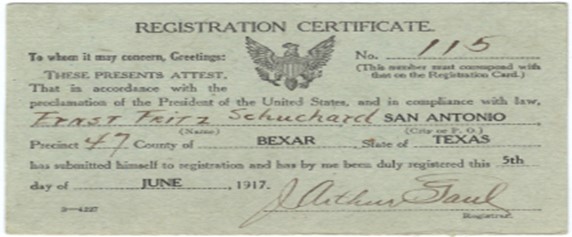
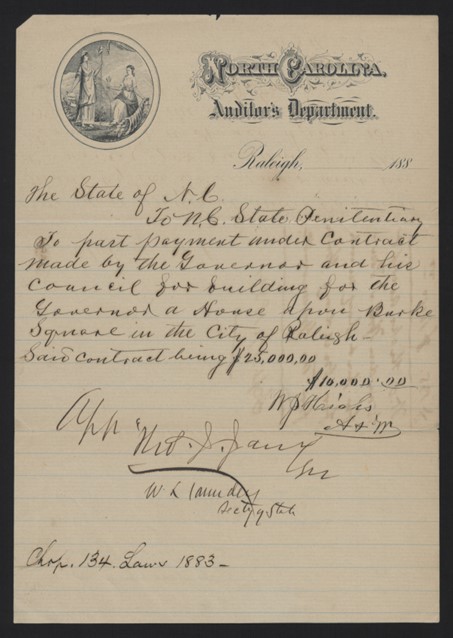


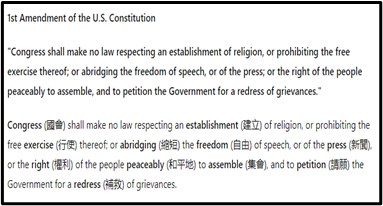
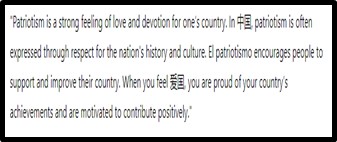


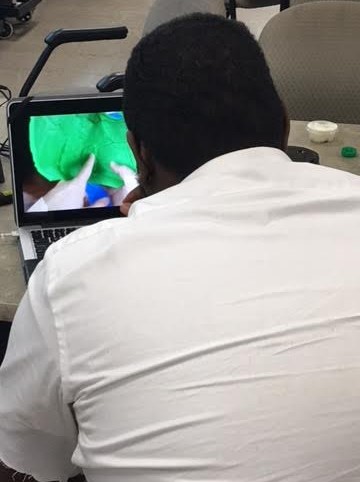
 njcssjournal