Academic Literacy: Critical Thinking and Reasoning
Dr. Harry Stein, Manhattan College
Academic Literacy has one goal: learn more quickly and forget more slowly. Learning has four elements: gathering and organizing information, critical thinking (CT) and reasoning, memory/retention, and creating thought through writing, speaking, and creative acts in art, music, dance, and drama.
How can we describe and define critical thinking? There is no single, agreed upon definition. Critical thinking has different components including recognizing information and assumptions, accurate evaluation of ideas and comprehending how conclusions are reached. Critical thinking should consistently be practiced in school and used in everyday life.
Reasoning is more defined. If thinking is a mind’s highway then reasoning is the curves. ups and downs, and directions the highway takes. There are five kinds of reasoning: inductive, deductive, metaphorical, analogistic, and syllogistic. The first two are most practiced in academic settings. For example, if we ask students to discuss the affirmed generalization “Lincoln saved the Union” and then ask students for evidence we are practicing deductive reasoning. We have a true statement and are now providing the facts and ideas as the foundation for the statement. In inductive reasoning we would ask students to assemble random facts and ideas and then ask what generalization do they prove.
In 2007 the National Institute for Literacy published the guidebook “What Content Area Teachers Should Know About Adolescent Literacy.” An introduction stated that “adolescents entering the adult world in the 21st. Century will read and write more than at any time in human history. They will need advanced levels of literacy to perform their jobs, run their households, act as citizens, and conduct their personal lives.” Academic literacy extends this focus of literacy beyond print to many forms of visual and quantitative learning. The flood of modern information is not restricted to print. Images and data are critical. Writing is critical but for others producing thought in art, music, dance, and dramatic forms is their way of responding to information.
If we can agree that critical thinking is an important learning achievement mental processing act once we have gathered and organized information. How do teachers and different students start this critical thinking process? The critical thinking will be later stored and produced as our writing, speaking, or creative response to information.
Illustration #1
Illustration #1 is a visualized chart showing the critical thinking process. Every student is given a copy. Large copies are mounted on the classroom walls. Part of our dilemma in thinking is that it is a silent and hidden process. If we are asked to read or see we use our eyes. When we are asked to think we do not have self-directed tools. How do I think? The chart makes the idea tangible to the eye. The letters A B C D show the four types of thinking skills. The skills are circled. Questions are the matches that ignite or fire-up the thinking skill target.
There are four thinking targets:
recognition and recall of explicit information,
understanding,
creating new ideas
arriving at judgments and opinions.
There are three types of understanding skills:
interpretation,
application, and
analysis.
Illustration #1 can be used by a teacher in planning content knowledge objectives. It can be used in classroom or assignment questions. If students take State tests, IB exams or AP exams the visual can be used to analyze the types and frequency of questions on these external examinations. Finally, it can be used when designing a school quiz or test.
Often, parents want to discuss a student’s achievement. If assignments and tests follow the A B C D elements in the visual, student results can be quickly identified by thinking skill. High achievement students consistently think at the C D level after they have mastered A B levels. Some students never elevate their thinking beyond factual recognition and recall. Their test results and assignments do not rise to the B C D level. These levels become achievement goals. When students can “see” their thinking results and goals, they can consciously reflect on what a Cor an A student means, Illustration #2 is a chart that identifies thinking skills and the questions we use to ignite the skill.
Illustration #2
When students can “see” their thinking results and goals, they can consciously reflect on what being a C or an A student means. Illustration #2 is a chart that identifies thinking skills and the questions we use to ignite the skill.
Illustration #3
Illustration #3 is another question taxonomy. Stress with students the difference between the thinking skill target and the question arrow. Once they practice with our question they can create their own questions or even an examination using the menu of illustrations 2 and 3. Students learn to think about thinking.
We have now defined critical thinking and examined visual examples showing the relationships between Critical thinking and questions. Critical thinking occurs within a class setting.
Illustration #4
What are the teaching tactics which will help us reach our Critical thinking strategical goal? One strategy from Robert Marzano is applied to a single sentence classroom reading. See Illustration #4.
Marzano asks the class to respond to the question “Under some circumstances may the end justify the means?” Students may read or listen to the question. He then lists 16 possible ways the teacher can activate student thinking by direct questions or asking students to create their own question responses to the statement.
Illustration #5 (Q/R) Question and Response
In Illustration #5, Robert Stahl of Arizona State University developed a multistep question approach to questions centering on values and moral education. When encountering information, print, visual, or quantitative, Stahl took students through four critical thinking actions:
Knowing,
Thinking,
Valuing,
Feeling.
For each stage he used certain specific questions. To know requires explicit evidence yielding precise facts. He used “I see it there” focus questions. Then he asked students researching for implicit evidence.
Stahl used two question tactics. “Define” and “restate in your own words.” To focus on values relating to critical thinking, he asked students to compare and contrast and finally he used questions summarizing, concluding, or clarifying that helped students make judgments.
Illustration #6 (Dr. Sylvia Gaylor)
Dr. Sylvia Gaylor gives us some concluding advice in her article MASTERING THE ART OF QUESTIONING, Illustration #6
Illustration #7
Two examples of deductive reasoning follow. The first called J line orJudgment Thinkingis by an American Studies middle school teacher Jay Wordsman (Valley Middle School, Oakland NJ). The activity in Illustration #7 has 4 elements:
A. Assign a reading-The Raven by Edgar Allan Poe.
B. Following the reading students are given a response form called J Line containing six statements.
C. Students are asked to read the statement and consider its validity remembering evidence about each statement. Using the Judgment Line they circle one of the responses A B C D E F G writing a few words above the letter noting their evidence.
D. Finally, the defend each of their six choices in a sentence.
The final example of deductive reasoning is from the Massachusetts Department of Education, Illustration #8.
Illustration #8
It lists four conclusions from a Columbus reading and asks students to evaluate the strength or weakness in the conclusion.
Critical thinking and reasoning are the second element in Academic Literacy. These skills are used in the classroom, for assignments and in evaluation. By its very nature thinking is hidden and silent. We need to visualize it and engage students using the visuals so that private thinking becomes public discussion.
American students are in school for thirteen disconnected years. In grades K-5 students learn in a reading/language arts/mathematics skill-based school. Most students have one classroom teacher. Literacy means reading and language arts, a term that combines writing, speaking, and listening. Testing assesses reading, language arts skills, and occasionally writing short compositions.
Then a change occurs in grade 6. Students go to a ‘second” school. This is a middle or junior high school with departments. Teacher certifications and expectations change. Every day students will now see six or seven teachers. Except for the language arts teacher these teachers do not teach literacy. They use it as one tool to achieve their academic goals. These schools, grades 6-12, have redefined literacy.
“Second” schools use four literacy elements:
Information Sources – reading, visual cognition, quantitative analysis and kinesthetic learning skills.
Information Processing – Thinking operations and reasoning odes
Retention – The most critical literacy skill in grades 6-12.
Producing Thought – Responding to objective test items. Writing in 7 forms, speaking, and creating performances in music, theatre, art, and dance.
Knowledge retention is a new and now most critical skill. Without memory students can’t achieve or produce original thought. These 4 elements are known as Academic and Career Literacy (ACL). Attachments A and B illustrate in mathematics and other departments.
Elementary or skilled-based schools focus on reading and writing composition. These experiences are important but inadequate for success in knowledge-based “second” schools. Whether instruction is authoritarian lecture, inquiry project guided, cooperative groups, or individual instruction via technology, these teachers in “second: schools have no exclusive loyalty to academic learning through reading. They are eclectic in choosing learning materials and teaching tactics. Their loyalty is to their students and academic subject matter. This is their identity and mission. Walk down the hall in a K-5 school and ask a teacher who he or she is. Their response will be, “I teach 3rd grade.” They identify by child cohort. Walk down the hall of a “second” school, middle, junior, or senior high school and ask the same question. “Who are you and what do you do?” The response will be different. The Literacy Big Short emerges from this disconnection between elementary schools and “second” school function and literacy use. The disconnection is deep, harms students, and is not easily corrected through teacher education reform or new State certification requirements.
ORIGINS OF THE BIG LITERACY SHORT
Educators have been aware of the literacy disconnection and have made efforts to define and connect literacy between elementary and adolescent “second” schools. A 2006 project funded by the Carnegie Corporationin association with the International Reading Association and the Alliance for Excellent Education. Fifteen key elements were identified within a reading and writing literacy concept. They are abridged and paraphrased below:
Direct comprehension instruction.
Effective instructional principles embedded within comprehension activities.
Motivation and self-directed learning.
Text-based collaboration.
Strategic tutoring.
Use diverse texts.
Intensive writing.
Use technology.
Ongoing formative assessment.
Extended time for literacy.
Professional Development.
Ongoing summative assessment.
Teacher teams or cross-departmental reading.
Administrative leadership.
Cross grade and departmental coordination.
The elements do not reflect the actual nature of literacy in “second’ schools They were and remain a response to standardized reading and language arts testing mandates found in district tests, state examinations, PSAT, SAT-1 and the ACT. These mandates are critical and permanent. Except for the New York State Regents content graduation examinations, high stakes testing in American “second” schools, middle and high schools, assesses reading and mathematics. But, “second” school students learn and graduate by earning credits in departments that use academic and career literacy, not only the reading component.
What is missing? The following ACL skills are used across all grades and departments in “second” schools and directly linked to college entrance examinations and achievement.
Visual Cognition: Print and Electronic
Thinking and Reasoning: Applied to all information sources
Cognitive Science: Focus on attention, toleration for frustration, impulsive control, goal setting, task completion, and self-generating questions.
Retention: Both short and long-term academic memory
Applied Quantitative Analysis: Statistics and Data interpretation
Writing in 7 forms: recognizing writing, copying, note-making, redesigned writing, composition, media writing, and web site design
The greatest deficiency in a reading centered literacy is the near total absence of instructional emphasis on retention and memory. Reading contests determining who has read the most books in a year are very important. They nurture motivation and develop skills. But does any student who has read 112 books remember what they read in book #56? There is no need to remember until they enter “second” schools where reading is transformed into literature study. Remembering Act 2 Scene 4 in Hamlet is critical to understanding Act 3 Scene 1. The challenge becomes not what we read but how quickly we can learn and how much more slowly can we forget. Without useable memory, every Monday is Friday and teachers can’t go forward. Review is necessary. Memory is constructed at the time of instruction and not only through study which only rehearses embedded memory.
This literacy disconnection will continue. University reading preparation programs train reading experts. State certification requirements reflect these goals. Some students in “second” schools must have intensive reading remediation. Many more new English-language learners are also entering these schools. Special education enrollment is rising. There is a growing need for expert reading diagnostic-based instruction. Yet when these students enter content classrooms their teachers are not loyal to reading as the primary information instructional system. Success in isolated clinical settings or small group instruction do achieve reading gains. Schools and districts are judged by these test results. But, credit-driven content learning requires skills other than reading skills. Students do not graduate high school because they can read. They graduate when they meet credit requirements. Some drop out.
CLOSING THE BIG LITERACY SHORT GAP
First, can we accept the reality that literacy in the “second” school is not the literacy in the elementary, skill-based school? Can we accept the reality that university-based degree literacy programs will not easily change since they must produce reading experts and the reformed programs would have to include members from other university departments such as psychology, communications, English, and perhaps, philosophy? Changing state certification requirements is very difficult, time-consuming, and may require administrative code or statutory change.
Any effort to improve achievement in “second” schools must begin in the district. The first step is an administrative commitment to a new concept of literacy instructional leadership. Then, in every “second” school can we identify an educator who will embrace and use the ACL concept and gradually begin serving other faculty? This person could be a reading specialist or a science teacher. As this teacher assumed a professional development role, they must retain a full teaching schedule. Any reduction in teaching periods will increase costs, and possibly divide faculty harming the outreach effort. Administrators should eliminate all school duties for this person. Their duty will be to practice literacy in their classroom and communicate to other teachers either in their departments or to all teachers during their duty period. A stipend, summer work, professional travel and other incentives can be offered.
This academic and career literacy leader and administrators can then form a professional learning community (PLC) within the school. The PLC would include a mathematics, English, science, history, special education, and English-language learner teachers. The PLC would learn about and use ACL and then turnkey their classroom practices within their own departments. Schools would have a permanent cadre of ACL teachers and eliminate outside consultants.
The ACL/PLC project would then assist faculty in meeting school and district goals. Services could be offered or mandated to new teachers, untenured teachers, teachers at different grade levels, teachers in different departments, and teachers whose observation/evaluation and personal needs include some form of ACL.
THE BIG LITERACY SHORT: A CODA
All “second” schools are fragmented and consist of teaching tribes with different certifications and indeed even locations within the school. These schools are centrifugal and fracture a student’s experience in a 6-8 period day. They lack common academic purpose because every subject has its own claim to virtue. Academic and career literacy can be binding glue in this planned decentered adolescent education ecology. ACL also gives a common definition to Common Core in “second” schools. A shared center is created where none existed.
Schools grappling with changing demographic, economic, and social circumstances realize that their future is already rapidly receding behind them. They are in catchup reaction mode. Part of the dilemma lies in the recognition that the student achievement goal is restrained by an older concept of literacy which is them again disconnected by the current information communications technology that affects all teaching and learning across the different tribal cells in our “second” schools.
Inputs are depicted in the upper left. Reading is one means whereby students practice Gathering and Organizing. It is the first input which leads to processing, storage, and then producing thought.
First, we must describe and define the term “reading.”
Illustration #2 – Taylor Reading Process Model
Academic Literacy is used in knowledge-based classes with content teachers. They are never reading teachers and do not teach reading. They use reading for academic content goals. Academic literacy begins at #27 on the Taylor model. If students can not progress through points #1-26 they must receive direct reading instruction from reading teachers. Their comprehension level must be 4th grade or higher. Academic literacy gives content teachers the tools to create content learning after students can decode words and minimally comprehend. Academic literacy is a teaching/learning concept in departmentalized middle and high schools. It assumes minimal reading skills, #1-26 and proceeds from #27 to #37 on the Taylor model.
Academic Literacy reading is strategic reading. Reading is a tool for achieving content learning. Illustration #3 describes strategic reading in the content areas. It differentiates between traditional reading activities and strategic reading. The former assumes students can read, retain, and discuss after an assignment. The latter is planned and directive.
Illustration #3 – Strategic Reading in the Content Areas
In Social Studies reading occurs in three settings: the classroom, the independent assignment, and within tests.
The acronym CAT defines these settings: class, assignment, and test.
Classroom Reading—The short passage
Find a critical, short reading passage. Refer students to their text or handout. “Short” means no more than three or four reading minutes. Attention research indicates that the student focus span rarely exceeds four minutes. The content must be absolutely critical for meeting our goals.
Illustration #4 – Eight Steps for Close Reading
So, how can we start the reading? Illustration #4 gives us eight ways. Set a purpose for the reading. Tell students what they will do after the reading. Then, begin the short “tight” reading.
Mary Byatt and Laura DiPetro of Washington Township in New Jersey created a tool they call My Close Read Bookmark. Give one to each student, Illustration #5.
Illustration #5 – Close Read Bookmark
Using this tool they make “thinking notes.” Illustration #6
Illustration #6 – Thinking Notes
Before class ask students to bring in a 4 color pen. Use black for important notes, red for confusing ideas, blue for clear ideas, and green for post-reading review notes. Green for growth or change.
For memory ask students to note the weather that day, the type of clothing they wore, what they ate for breakfast or lunch or any other personal marker of their lives that day. Personal memory and academic reading memory unite.
Classroom Reading—The primary source document.
Faculty at Knox College in Iowa use Illustration #7 when examining documents. Students make notes on the handout.
At a 2015 U.S. History AP Reading Conference, Christopher Lewis and Jennifer Yoo Brannon, both AP teachers, presented another tool they called the HAPPY Analysis Chart. Illustration #8. When reading/discussing the document the chart is a note-making tool. H-A-P–P sections are indicated. The Y is for “why” is the document significant.
Illustration #8 – H-A-P-P-Y Analysis Chart
Classroom Reading QUESTION/DISCUSSION STRATEGY. Jane Townsend, University of Florida Illustration #9 gives us general guidelines for in-class readings.
Illustration #9 – A Strategy for Questions & Discussion
Every classroom reading needs a question strategy the teacher shares with the readers. Illustration #10 visualizes 4 types of thinking skills and the question triggers for each.
Illustration #10 – Thinking Skills
Illustration#11 shows the QARS strategy.
Illustration #11 – Q-A-R-S Strategy
Illustration #12 must be carefully read because it gives teachers a question road map whereby students move from depending on the teacher for questions to their being able to create their own questions or statements.
Illustration #12 – Road Map for Asking Questions
=========================================
Reading Assignments—Guidelines.
Often, we ask students to independently read before the next class. Then, we expect them to effectively discuss what they have read in class or use the reading to work cooperatively with new materials. Usually, they have not done the reading or if they have they have not retained any meaning. Illustration #13 gives teachers a strategy. Before the assigned reading we must prep students. As they independently read they need note-making tools to direct their reading and capture their reactions. Then, when they arrive in class the next day we can proceed. This is called a BDA strategy. B=Before, D=During, and A=After the reading.
Illustration #13 – B-D-A Strategy
Post Assignment Learning Strategies—Guides.
On the previous day we assigned a reading. Now, in the next class we want to build learning based on their reading. Guides are a tool. There are different types. GO#14 illustrates a comprehension levels guide.
Illustration #14 – Guide for Reading Comprehension
GO#14 illustrates a comprehension levels guide. There are 3 levels: factual, interpretation, and judgement.
Illustration # 15 – Cause & Effect Patterns
This is a statement not a question guide. Use statements to trigger thinking. Statements open the mind. Questions corner the mind in one direction. Illustration #15 shows a cause/effect pattern guide and an author’s intention guide.
Illustration #16 uses lyrics from a ballad At Seventeen and develops a concept guide.
Illustration #16 – Seventeen
Illustration #17 uses a Claim/Point of View Statement Guide
Illustration #17 – Stating Claim
Illustration #18 concludes our guide samples by showing how our colleagues in science use guides. This two part guide was developed by Dr. Judith Thelen from Frostburg State, Maryland.
Illustration #18 – Example from Science
=====================================
Reading is one tool we use for learning. We don’t teach it. We use it for our academic goals. But, in using it we must not assume students automatically will read and bring critical skills to our classroom. We have to use our tools in the teaching learning process.
Part 1 – Academic Literacy – Learning with Visuals
“In elementary school all students are taught to read. Who teaches them to see. They may be mentally blind.”
Task #1 is defining the term “visual.” See illustration Gathering and Organizing #19. At the bottom is a line graph. Numbers 1-10 are flat, frozen visuals. The numbers proceed from #1 abstract symbols such as a plus or minus sign to #10 realistic photographs. Numbers #11 to #13 are electronic moving visuals. Our focus is on flat frozen visuals.
Illustration #20 is a visual interpretation chart. The chart argues that all visuals have a producer with intent and aim. The visual can vary. Finally, there is a receiver or audience which has a memory and reason for seeing the visual. We can always use this generic chart in our classes.
Illustration #21 – Visual Interpretation Chart
The most commonly used visual is the photograph. Read illustration #21 for an orientation to photographs. Pick one of the Thoughts at the bottom and discuss its meaning with students.
“Looking is easy. Seeing is an achievement”
Following are instructional activities we can use when a photograph or pictorial illustration serves our teaching objectives. Illustration #21 is called Invading the Picture. Let’s use it with an illustration of the Battle of Omdurman in the Sudan in 1898. The illustration is extremely dense with information. We can ask students to tell use what they see or we can deliberately guide them in an inductive teaching manner. Accessing the illustration has three approaches. First is the trained eye. We can sector or divide the scene into observable parts. The white area seems to divide the two forces. We can pan the scene from left to right or top to bottom gathering information. We can zoom shot on one tiny feature and expand the meaning. For example, using a clock technique go to 11 o’clock in the extreme upper left. There is a river. In the river are boats. Next to the river are masses of assembled troops.
Illustration #21 – Battle of Omdurmam in the Sudan (1898)
What does this zoom or punctum (point) shot tell us? Rather than walk across a desert to the battle the British brought their rested troops aboard ships before disembarking them. They were well fed and had plenty of water so when put into the battle they were fresh. A final technique is called the “tilt” eye shot in which the viewer is looking down on the scene as if in a drone. We do not simply look. We have a guided eye.
A second approach is called walking through a picture. A third is called zoning the illustration
“A photograph or illustration is time’s witness stopping it forever.”
The 4th and 5th approach to invading a photograph or illustration are the aesthetic and sensory approach.
Illustration #22 – Analyzing Photographs
“Does a photograph have meaning or is the meaning brought to the photograph?’
Illustration #23 is an action photographs that accompanied an article about a football game being played while a school was burning down.
Illustration #23 – School on Fire
Illustration #24 can be used with the same photograph. A four column analysis is used. People-who are the people we see? Objects-what things do we see? Connect them to the people, Activities-what actions do we see? Now, add a 4th column IDEAS what ideas or idea does the photograph convey? This is a POAI-Chart.
Illustration #25 Photograph as a Text shows us how we can tell a Story from a photograph. Students are given the story chart in the illustration. A photograph called Paris Bistro is our scene.
Paris Bistro
The left side of the chart sets our theme. What are the intentions of the two people in the picture. Where in the SHOT is there evidence of the intentions, the argument or thesis claim of the photographer. What might the plot be? What is the sequence of events. What were these two people doing an hour before they met and an hour after. Do we see any conflicts?
Illustration #25 -Paris Bistro Analysis Chart
What happened before? Later? How might this end. Is this a father speaking to a daughter? Is this a husband talking to a wife? What does the future hold? This story telling technique could have also been applied to the Omdurman illustration.
“A photograph is insight, not sight.”
Illustration #26 shows another learning strategy.
Illustration #26 – Photograph Analysis Worksheet
Illustration #27 is a very different learning idea. It is called skin jumping. Different people bring a different “eye” or “I” to a picture. Using the Paris Bistro picture how could or would a viewer of a certain race, religion, social class, age, gender, ethnic group, non-disabled, disabled, or from a certain region of a country view the picture.
Illustration #27 -Skin Jumping
“The mind is the real instrument of sight and observation.”
Photographs and illustrations are two visual types. Paintings and portraits can also be used in our classes. Illustration #28 gives us some general ideas about comparing and contrasting these visual forms.
Illustration #29 depicts a young Frederick Douglass. What do we “see” or “feel” in him? As you learn about Douglass, using his portrait draw a line from his head outward. On the line print the major ideas he is thinking. Next, draw a line outward from his eyes. On the line print what you think his hopes are. Then draw a line from his mouth outward. On the line print what you think he might have said. Next draw a line from his ears outward. On this line write what you think he might have heard. Look at his hands. Draw a line indicating what actions he took. Draw a line from his upper arm. This is his muscle. Write his strengths on this line. Finally, locate his heart and draw a line outward from his heart. On this line write what you think his feelings were. Therefore, when you teach Frederick Douglass, use a visual with your students to help them in organizing their thoughts.
Illustration #29 – Young Frederick Douglass
“The painted portrait, a sign of wealth. The photograph a sign of democracy.”
Illustration #30 is used with artistic images.
Illustration #31 – S-O-C-C Approach
Illustration #31 from Catherine Denial of Knox College gives us an SOCC approach: source, observe, contextualize, and corroborate. This approach could be used with either Omdurman or the football fire scene. She uses it with the famous Boston Bloody Massacre scene of 1770.
Our final visual is a graphic illustration #32 used in a history of American addictions. A POAI approach from Illustration #24 could first be used. Make notes on the handout illustration. On the left side is a Q/S column. Students are asked to write and answer 3 questions or statements they have about the illustration. At the bottom of the illustration is a paragraph writing technique called T3BCO. In a paragraph state the T or topic. Then list the three ‘becauses’ or evidence to support the topic. C=the conclusion.
Illustration #32 – History of American Addictions
Illustration #33 is a visual teaching planning chart. Using illustration #19 plan how you can teach with visuals in a 9 week marking period.
Illustration #33 – Visual Learning Planning Chart
Illustration #34 conveys three ideas about visual learning.
Illustration #34 – Visual Learning
An article on Visualized Notemaking concludes the gathering and organizing activities and gives students a transition from observing to notemaking, the precondition for building memory leading to writing and speaking.
One type of graphical aid is the familiar chart form. Illustration #35 informs us about sexually transmitted infections. Use 3 steps to analyze any chart. Turn the heading into a question, “what are the”. Identify the vertical content, the diseases, and finally identify the horizontal content, the variables of cause, transmission etc. Then complete the chart.
Illustration #35 – Sexually Transmitted Diseases
Illustrations #36 and #37 show 2 different chart forms, the CLUSTER and the WEB. Students are directed to the central theme and its offshoots. When viewing these charts use a pen to circle the main theme and draw connecting lines with arrows to the parts. Drawing focuses the eye and mind.
Illustration #36 – Cluster FormatIllustration #37 – Web Format
Additional types of charts are depicted in Illustration #38 ABC.
Illustration #38 A – Types of ChartsIllustration #38B – Research or Information ChartsIllustration #38C – Research & InformationIllustration #38D – Comparison Chart
Illustration #39 is an article called the Graphic Information Lesson. It combines maps, graphs, and charts. The author skillfully integrates visual types and thinking skills.
Illustration #39 – Graphic Information Lesson – Page 1Illustration #39 – Graphic Information Lesson – Page 2Illustration #39 – Graphic Information lesson – Page 3
Illustration #40 is an information map that examines the relationships between economic production, the role of government, geography, demography, beliefs, behavior, and economic principles. The concept of public investment infrastructure is shown with an arrow linking government investment to 7 forms of infrastructure: T=transportation, E=energy, C=communication, H=health, I=information/education, PH=public health, ands S=security, police, fire, courts, weather prediction, military, and currency management. Students use the chart for note-making. Apply this to any country or historical era.
Illustration #40 – Information Map
Illustration #41 is the author’s chapter on graphs, supplemented by two additional examples.
Illustration #42 is a valuable resource by Edward Tufte, the 20th century’s foremost thinker in information design. Gathering and Organizing Information has three components: reading, representational visuals, and graphical aids. These forms occur in all of our texts and materials. Learning to use them is critical and produces life-long learning skills transferable to all careers and daily life. When students can gather and organize information they create a highway for practicing thinking and reasoning. When thinking and reasoning are organized into retrievable memory they are the building blocks for writing, speaking, and other creative acts.
Illustration #42 – Edward Tufte’s Books on Analytical Design
Book Reviewed by Hank Bitten, NJCSS Executive Director
I am a history teacher who wanted to learn about the perspectives of racial inequality and social justice as a result of the events during the summer of 2020. Although I have a strong content background in the history of African Americans, slavery, reconstruction, prejudice and discrimination, constitutional law, the economics of poverty, and human rights, I never taught a course on social inequality, criminal justice, or how to address problems in this area.
A former student, Dr. Christopher Borgen, who is a law professor at St. John’s University, introduced me to the Equal Justice Initiative and its founder, Bryan Stevenson. After visiting the EJI website and learning from others that Bryan Stevenson was a past speaker at an NCSS convention, I read his book, all 66 pages in about 30 minutes!
The book was different from what I was expecting. When I read the description on the Amazon website, I was expecting stories of convicted felons on death row who were falsely accused and then represented by Dr. Stevenson and the Equal Justice Initiative. Instead, I discovered that I shared the same hopes, values, and mission as Bryan Stevenson, even though our life experiences were very different. The things we shared were loving grandmothers, disappointing high school educational experiences, religious faith, and a calling to help people by making a difference in their lives. My world view that we are placed into situations by circumstance (or divine intervention) was reinforced in the 66 pages of what I read.
Bryan Stevenson lived in a rural town in southern Delaware from 1959 until he graduated from Eastern University (PA) in 1977. He attended the Kennedy School of Government at Harvard where he earned a Master of Arts degree in Public Policy and a Juris Doctor degree from Harvard Law School. After moving to Atlanta, he was an attorney with the Southern Center for Human Rights in 1989 he founded the non-profit law center, Equal Justice Initiative in Montgomery. His life’s work is committed to eliminating life-without-parole sentences and capital punishment for juveniles. The Equal Justice Initiative have won reversals or release for 135 wrongly convicted death row prisoners.
The EJI opened the Legacy Museum in 2018 in Montgomery, Alabama to focus on racial inequality and the challenges of race discrimination in the criminal justice system in the United States. The current digital exhibits on racial justice, Reconstruction, and criminal justice reform are informative.
As a white, middle class, educated person living in a suburban community, my wife and I taught our children and now we are teaching our grandchildren that the police are your friend. We instill in them that if you are ever in trouble to seek the advice of the police who are easily recognized by their uniforms. This is teachable because all of us deserve to be treated equally! The book provides examples of how “our society applies a presumption of dangerousness and guilt to young black men, and that’s what leads to wrongful arrests ad wrongful convictions and wrongful death sentences, not just wrongful shootings.” The example of injustice is the story of Walter McMillian who was sentenced to death in 1986 for the murder of Ronda Morrison, an eighteen-year old white woman. He was treated unfairly because he was targeted, the victim of false testimonies, convicted of a life sentence by an all-white jury, and then this sentence was changed to the death sentence by judicial override. This short book emphasizes the power of mercy and redemption and how simple interventions based on perseverance can lead to justice and goodness and change lives.
The K-12 educational experience of Bryan Stevenson gave me a different perspective of my own experiences. I was educated in the Paterson Public Schools from 1952-1964. I went to overcrowded schools, we were attacked by black teenagers from the other side of the real estate dividing line, lacked a college preparatory experience even though I was in the Academic program, and skipped two years graduating at age 16. Bryan Stevenson’s experience was similar and yet opposite. Although he went to school a decade later, his mother and grandmother were anxious every day about his experiences in an integrated school. Both of our mothers and grandparents were influential in teaching us to read (newspapers and encyclopedias) and we were both the first in our families to attend and graduate from college.
The second perspective I gained from this book was first introduced to me in Race Matters by Cornell West. I read this book in the 1990s and the narrative demonstrated by African Americans through all the years of segregation, insecurity, and prejudice is one of love, hope, and a desire for acceptance. During the current national dialogue of racial inequality and social injustice, I think back to my first years as a teacher at Martin Luther High School in Maspeth, Queens. This was the year of the strike by teachers in the New York Public Schools and the year that neighborhood schools ended and busing to integrated schools began. As a new teacher, I was instructed to start an African American History course, even though college courses in this field were rare and not part of my education. As a result, I learned with my students, enrollment increased to multiple sections, and my students taught me about their experiences in East New York, (and other communities), threats against them on public transportation, and the difficulty in finding work. I also learned about the experiences of their parents in the workforce at a time when the Bakke decision by the Supreme Court challenged the validity of minority quotas.
The third perspective, the one that motivated me to write this book review, was the role and influence of the church and the driving values that motivated the life work and decisions of Bryan Stevenson. I discovered in this narrative the importance of social and emotional learning, that solutions are always a process rather than an answer, and the importance of teachers in educating students.
It is important for teachers to understand the narrative of fear. This is evident in the restrictions of the plantation, denial of literacy, and Jim Crow segregation. It is also evident in the classification of drug addicts and users as criminals instead of individuals with a sickness or mental health condition. Fear is a powerful force in the human condition. We are taught to fear the consequences of breaking laws and rules as well as fearing failure.
It is equally important for teachers to teach and be a voice of hope and help. The social studies teachers I am privileged to know want to make a positive difference in the lives of their students. This is why civic education and historical context is important to them because the context supports equality, freedom, respect, justice, respect, and human rights. These are the threads that weave every day in the lessons of ancient societies, the Enlightenment, totalitarian rulers, colonial America, abolition, suffrage, Reconstruction, the New Deal, Fair Deal, Great Society, and the American Dream.
The impressive personal story of Bryan Stevenson is one of notable accomplishments but the difference he has been able to make in the lives of people through the Equal Justice Initiative is very similar to the impactful stories of teachers. Although our calling is to teach social studies, we are also teachers of life skills, the extraordinary lessons of handling crises, and how to persevere through the frustrations of declining test scores and disappointments. Teachers are always modeling resilience, perseverance, and help.
Another lesson that was reinforced for me through this book was the concept of leadership. Leadership in the classroom is demonstrated by getting our students to support common goals of listening to others, searching for the truth, asking questions, doing our best, and supporting each other. Bryan Stevenson also includes speaking out for what is right! This includes making our classrooms and schools free from fear and anger, free from complacency and ignorance, and places where students feel comfortable to ask questions, learn different perspectives, and respect the competing ideas that are inherent in a democracy.
There are many lessons throughout this book and they will speak to each person in a different way. Regarding civic engagement, it is important to follow the calling in one’s heart in addition to their cognitive knowledge of what needs to be changed. It also means to think small when there are big problems. Bryan Stevenson lives in a state with a very high poverty rate and a record of harsh punishments against people. The lesson I came away with is to make a difference where I can, even if it is in the lives of just a few. For your students, let them know that they are witnesses to everything they see – bullying, sexism, injustice, inequality, favoritism, patronizing, cheating, lying, exaggerating, complacency, etc.
The book takes only a few hours to read but the messages in the book will last a long time!
As I am writing this, we are scheduled to return to school in a hybrid approach for 2020-2021. Significantly, it appears that at least 20% of families will be opting for an all-remote experience to begin the school year. Additionally, it certainly seems at least possible that Governor Murphy could either require a remote start to the year, or we could be forced to use the all-remote plan after a few weeks if the rate of infection increases with back-to-school.
by Timothy B. Monahan
Teacher and Technology & Innovation Specialist at Ridgewood High School (NJ)
On a personal level, I accept that I have very little control or influence on the numerous reopening issues at hand. With this in mind, I have been focusing most of my attention on remote teaching for 2020-2021. More specifically, one question has driven me: “How can I implement a package of meaningful, reasonable assessments that resemble what I would normally give in-person under observation to deter violations of academic integrity?”
The Challenges of Remote Learning
Frankly, I have enough trouble enforcing academic integrity when I am present in the classroom, so remote assessment presents quite a challenge for me. Formative assessment and remote learning go hand in hand, as I am sure many educators found last spring. Summative assessment can be much trickier, especially if your course is not tied to essay responses or is tied to a rigorous AP exam. Unfortunately, in my case, I teach a course where students are expected to succeed on two extremely rigorous AP Exams in May. Therefore, abandoning the traditional (summative) modes of assessment that motivate and validate student learning is not an option if I intend to achieve my district’s mandate for high student achievement.
Since last March, I have been planning ways to preserve rigorous, traditional summative assessment in a remote learning environment. Naturally, academic integrity is a monumental hurdle. As it stands, it appears that we will need to solve this question for at least the approximately 20% of students opting for all-remote learning. Obviously, there remains a distinct possibility that we could need a plan for all our students if and when we go to the all-remote schedule.
I am not only a teacher; I am also a member of my district’s Technology & Innovation Specialist team (formerly called Tech Coaches). Naturally, we spent hundreds of crisis hours in 2020 cataloging and pushing platforms & strategies for remote learning to our colleagues. I focused on screening everything out there for the most valuable strategies for high school classes. Fortunately, our team has been doing this type of in-house professional development work for many years prior to 2020, a major credit to the Ridgewood Public Schools!
Formative vs. Summative: Rethinking Assessment in the Remote Arena
We don’t advocate our teachers to merely lecture in a Zoom or Google Meet. Our district philosophy is based on a standards based approach, with formative and summative assessment being implemented to both engage students and check for learning at various intervals. While our approach in the 2020 crisis provided a teacher option to teach synchronous (live) or asynchronous (flipped lessons due at 8pm each night), heading into the 2020-2021 we have adopted a much more synchronous approach. This coming year, we will lean heavily on formative assessment during or after synchronous lessons. It seems likely that many teachers will start each remote period with the full-class meeting before breaking-out into smaller rooms on Google Meet or Zoom to accomplish an objective. The teacher can bounce group-to-group virtually, or even have groups record their break-outs to promote focus on the group objective. For example, in the course I teach, the group objective will vary between going over a problem assigned for homework previously, or solving a new problem in real time.
Other teachers will have their students discuss or debate a topic, or maybe even produce work digitally. The possibilities are confined to the virtual setting, but remain limitless! At the end of the period, the teacher can then bring the whole class back together to debrief and complete a formative assessment which is a “check for learning.” There are dozens of ways our teachers can push formative assessment, and our Technology and Innovation Specialist team will continue to work with teachers individually to build-out their remote courses.To accomplish this, our teachers will likely use an interactive platform, such as Pear Deck, for direct, synchronous instruction with formative assessment embedded. Our teachers also craft their own formative assessments in Google Forms and the Skyward SMS to supplement direct instruction. Furthermore, in our district we recently completed Summer Professional Development to craft Standards Based Assessment & Rubrics to lean on during remote instruction. As it pertains to rubrics, I strongly advocate teachers use the Google Classroom Rubric functionality.
Good news: we seem to have figured-out synchronous teaching and formative assessment during the unexpected 2020 Crisis. While it wasn’t easy, hopefully you agree that teachers have remote instruction and formative assessment under control. But what about summative assessment? Remember, those are the traditional unit tests that check for long-term learning. Those are invaluable in education, too, because they check to make sure students are retaining and building upon the skills they learn day-to-day.
We’re not talking about the old-days of rote memorization here, because that went out of fashion with the advent of Google. No, summative assessment is where the student demonstrates the ability to analyze, critique, or solve complex problems by applying thinking skills to a relevant (“real world”) scenario. I used to tell parents on Back-to-School Night that summative assessment in my World History course would never be “How tall is the Great Pyramid of Giza?” but something closer to, “What does our knowledge of the methods required to construct pyramids in Egypt indicate about the structure of the government and economy of the Old Kingdom period of Ancient Egyptian civilization?”
Keep in mind that concluding formative assessment means multiple choice while summative assessment means essay is a common mistake. While the second question could certainly work as a free-response question, both those questions about Ancient Egypt can be multiple choice stems. One way I differentiate between formative and summative assessment is to lean on my experience as a sports coach. Formative assessment is like evaluating how my players did on specific skills in the drills we execute during practice. Summative assessment is how well they put all the skills together during scrimmages or games.
How to Preserve Traditional Formative Assessment in the Remote Arena
Normally, my course features 10 different unit exams that cover several clusters of content standards each. These are my traditional summative assessments. Based on professional collaboration with teachers of the same course at other schools, there is absolutely nothing revolutionary about what I do. However, with the 2020 Crisis, traditional summative assessment got immediately marginalized out of despair over security. Many teachers, including me, opted to replace traditional summative assessment with project-based assessment where academic integrity was not an issue. Also, this allowed the students a chance to socialize virtually during the darkest days of the quarantine. However, that was March 2020, a point where my students had already completed 9 of the 10 traditional summative assessments. I don’t have the luxury of abandoning traditional summative assessment for the entirety of 2020-2021, and there is no guarantee I’ll be able to pull-it-off in the physical classroom with so many opting for all-remote.
What I will be doing in my classroom is a variation of what my neighbor was subjected to as he finished a graduate program last spring. It goes something like this:
Step 1: The teacher must first decide how to best digitize his/her traditional assessment for remote access. (e.g.: Google Doc, Google Form, Skyward, etc. etc.)
Step 2: Where practical, teachers are encouraged to make several versions of each assessment by scrambling questions, slightly changing numbers/wording to reduce the temptation and ease for students to violate academic integrity.
Step 3: On the day of the summative assessment, the teacher will assign students to individual break-out rooms (e.g. Google Meet). During testing, the teacher can choose to have every room open (but muted) as a tab in Chrome or to bounce room-to-room to check in.
Step 4: Students will be instructed as to the teacher expectations in advance. For example, “all students must put their phones away.” Here are the expectations I plan to push to my students:
You must locate yourself in a quiet area/room of their house where you will not be interrupted during the assessment.
All students must have their cameras & volume on (teacher will check for each), and must refrain from communicating with anyone else present in their home during the testing period.
All students must share their screen to ensure no unauthorized tabs are open and to provide a record of the session. (Note: in my district we have a GoGaurdian license and I’ll have this running, but it only works on district issued Chromebooks, and many use personal devices. So I’m doing this for the Mac Book users.)
Each students’ testing session will be recorded and archived by the teacher only (not the student). In the event of any issues, the recording will be scrutinized for irregularities.
All of the above are considered an extension of the school Academic Integrity Policy.
Step 5: Stress the expectation that academic integrity extends firmly into the remote arena. Do this early (on your syllabus and first day of class), seek administrative support to reinforce this value, and make sure to hold students accountable. The best deterrent for cheating is vigilance. I know that during in-person assessments, I often have a bad habit of grading work at my desk, despite my better judgement telling me I should spend the entire period vigilantly patrolling the classroom. In the remote arena, this is even more important. I am planning in advance to spend the entire period closely watching the test-takers, and doing nothing else.
I should also mention that some teachers might also want to incorporate the approach used by the College Board for the 2020 AP Exams. In that case, the students were allowed to access their notes, but strictly forbidden from communicating with each other during the exam period. Upon release of the exams, it became apparent that the College Board had re-designed the format of the exams to be very difficult to complete in the allotted time, presumably scoring the exams on a greater curve to compensate. This format not only assesses student mastery of the content by further emphasizing the time constraint, but it also discourages cheating because sorting out the answers to different versions of the exam would potentially take-up valuable time. Notably, teachers who have multiple sections of a course (e.g. I usually have 4-5 sections of one AP course) face the challenge of preventing inter-section breaches of exam security (screen shots, etc.) However, that issue transcends remote learning vs. in-person learning, and remains elusive.
While the particular approach described here is what I am planning to adopt and use for this September, I am not suggesting everyone adopt this approach. In fact, not every teacher will need or want to implement this type of plan for the 2020-2021 school year. However, as I said earlier, something I am specifically trying to accomplish is overall preparedness for two extremely rigorous AP exams in May 2021. I have to believe this approach gives me the best chance to replicate the annual student achievement I have been able to obtain with in-person instruction.
Using John Lewis’s March Graphic Novel Trilogy in Middle School
Nicole L. Waid, State University of New York (SUNY)—Oneonta
Many adolescent learners’ knowledge of the history comes from their social studies textbook. Misco (2014) posited that the organization of social studies content must encourage the students to engage in reflective learning activities that they can connect to real world experiences. Ogawa and Kusahara (2011) acknowledged that teachers often glean a significant part of their understanding of the social studies content from information in textbooks. Loewen (2008) pointed out that history is a collection of fascinating stories and suggested that telling the stories of the past could ignite the sense of wonderment in adolescent students that are absent in many students. Loewen felt the problem was the format of social studies textbooks.
Textbooks often struggle to not only illuminate the past, but they fail to use history to put contemporary issues into context. Despite middle school students’ lack of motivation to read social studies textbooks, most adolescents are proficient in using an array of multimodal texts such as the movies, comics, and various internet sources (Draper & Reidel, 2011).
Using graphic novels in middle school social studies classes is a successful way to invigorate instruction. Serchay (2008) described graphic novels as nonfiction or fiction books that follow a similar format as comic books and typically tell a story from start to finish. Draper and Reidel (2011) explained that graphic novels engage middle school students by combining visual and verbal elements to bridge the gap between content from social studies and multimodal texts that students use outside of school. Using graphic novels as instructional tools could promote engagement during literacy-based activities. Graphic novels have emerged as an ‘in demand’ format with today’s adolescents due to popular cable series like The Walking Dead and movies like V for Vendetta.
According to The Lexile Framework for Reading (2012) combining art and text helps engage struggling readers. Cromer and Clark (2007) noted that contemporary graphic novels’ imagery and first-person accounts differ from traditional historical narratives third person. Graphic novels that focus on social studies content provide a narrative approach to social studies education that is more engaging to adolescent learners.
Graphic novels are useful resources that allow students to contextualize the information in the text. Contextualization refers to the student going beyond just comprehending the actual words found in the text to making connections to the historical period depicted in the graphic novel. This contextualization leads to a richer understanding how the events result in awareness of the historical period (Britt & Aglinskas, 2002). Boennan-Cornell (2015) made the contention that instructing students how to read a variety of primary and secondary texts using multiple approaches prepares them to analyze texts more critically. Zammit (2007) was in agreement with Boennan-Cornell’s belief that using graphic novels prepares students to analyze texts more critically and added that it also enabled students to create similar documents to apply the higher level application skills to they gained from critically analyzing graphic novels.
With the emergence of the Common Core State Standards (CCSS) teachers have to reevaluate their teaching practices to ensure that that they are making the appropriate instructional shifts that make students college and career ready under the College, Career, and Civic Life (C3) Framework for Social Studies State Standards. Lee and Swan (2013) identified two types of literacy instruction that attempt to address the instructional shifts that promote literacy in social studies; these areas are content area reading and disciplinary literacy. Social studies teachers are well positioned to put texts into the context of the content area. Social studies instruction focuses on many primary and secondary sources, so refining students’ content literacy skills are crucial. Shanahan and Shanahan (2008) characterized disciplinary literacies as incorporating literacy skills that are critical to creating, communicating and comprehending academic knowledge. Each of the areas of social studies has different literacy skills that are necessary to analyze texts that are appropriate individual topics such as history, economics, and geography.
There have been multiple studies that examined the impact of using graphic novels in social studies instruction. Bosma, Rule, and Krueger (2013) conducted a study of 25 suburban middle school students who were studying the American Revolution. The activity divided students into four groups, and each group was instructed to read one book on the American Revolution over the span of four consecutive 40 minute periods. Students engaged in the reading exercise before receiving instruction on the American Revolution. Students in two of the groups read graphic novels about the Boston Massacre and Patrick Henry and read illustrated nonfiction texts on Paul Revere and the Boston Tea Party. The other two groups read graphic novels about Paul Revere and Boston Tea Party and read illustrated nonfiction books about the Boston Massacre and Patrick Henry. At the end of each day, the students answered a survey on a scale of one to ten to report how much they enjoyed the book and to measure their general interest in the topic. After two weeks, students compiled a list of five things they remembered about the book that their group read. That data obtained from the surveys suggested that shows students were able to recall more concepts and generalizations when reading graphic novels than to illustrated nonfiction texts. The findings also showed that students reported more enjoyment and interest were when reading the graphic novel as opposed to the illustrated nonfiction books.
Hawkins, Lopez, and Hughes (2016) discussed how to teachers in Illinois incorporated John Lewis‘ March Books One and Two (Lewis, Aydin& Powell, 2013, 2015) into two United States History mixed ability courses. The learning segments included pre-assessments that measured the students’ background knowledge about the civil rights movement and posttests that measured the impact the graphic novels had on student learning.
The pretest revealed the students’ apparent lack of knowledge about the pioneers of the civil rights movement and the struggles that Americans faced in their quest for civil rights. The students in both classes read March Book One and March Book Two in conjunction with classroom notes and instruction. The teachers used the graphic novels to scaffold instruction on literacy skills while addressing the historical content. One class used a guided learning packet that stressed vocabulary associated with the civil rights movement such as segregation, civil disobedience, March on Washington, and Freedom Rides. Instructed to define the words using context cues and direct quotations from the graphic novels.
The final part of the activity was student generated projects about the civil rights movement using evidence from the graphic novels as well as other primary and secondary sources. The students synthesized the information from multiple sources to demonstrate their knowledge of the civil rights era after reading the graphic novels.
The second United States History class read excerpts from both graphic novels as a supplement to classroom instruction and analyzing various primary and secondary sources. The students read March Book Two independently and noted key themes using a graphic organizer. The students noted the chronology of the events in the book and then worked in small groups to discuss why the book started and ended the way that they did. The second group also compared and contrasted the different perspectives from other primary and secondary sources on the civil rights era.
After the unit on social change was completed students completed the same questions about their knowledge of the civil rights movement. The students’ level of content knowledge of about civil rights era was increased dramatically after being exposed to March Book 2 and the other sources. The teachers saw the benefit of taking the instructional time to teach students how to read graphic novels because the use of graphic novels invigorated the instruction on racial justice (Hawkins, Lopez, & Hughes, 2016).
The New York City Department of Education has announced that the March trilogy (Lewis, Aydin & Powell, 2013, 2015, 2016) will be used to teach about the civil rights movement. Many strategies could be implemented using the March trilogy. Loewen’s (2008) critique of textbooks suggests that books do not put contemporary issues into context to make the information more compelling to adolescent learners. Using the C3 Framework could make the problem of civil rights more compelling.
The C3 Framework includes four elements:
1. Developing questions that act as the basis of historical inquiry,
2. Applying content reading and disciplinary literacy skills,
3. Evaluating and gathering evidence
4. Making evidence-based claims and taking informed action
Before students begin studying the civil rights movement, the teacher should do a pre-assessment to measure what they know about the civil rights movement. A KWL chart would be a useful tool for determining what background knowledge students have about the civil rights era. Once students fill out the K column the teacher would present the class with current events related to civil rights. The current events for this portion of the activity could include stories involving protests by Black Lives Matter activists and Colin Kaepernick, voter identification court rulings, gerrymandering and police violence against black people. Discussing contemporary issues related to civil rights will put the struggle for civil rights into a context that student could relate to everyday life. Class discussions about contemporary issues might lead to questions about civil rights. Students would come up with questions they would like to know about civil rights in the W column of the KWL chart. Compelling questions are questions that students use as the basis of their inquiries. If students can participate in the formation of the that students use as the basis of their inquiries. If students can participate in the formation of the compelling questions employed in historical investigations, they may be more motivated to find answers that will answer their questions by using evidence-based claims.
Once students complete the K and W of their KWL chart, students would work in three groups. Each group would be assigned either March Book 1 (Lewis, Aydin & Powell, 2013), March Book 2 (Lewis, Aydin & Powell, 2015) or March Book 3 (Lewis, Aydin & Powell, 2016). The students will discuss the questions they generated in the W column of their KWL chart to find any commonalities that exist. The groups will select one compelling question that will act as the basis for their historical inquiry and select supporting queries which support the compelling questions. Rothstein and Santana (2011) discussed the Question Formation Technique which helps students generate questions, refine their questions to make them more open-ended, prioritize the queries and formulating a plan to answer the questions.
The teacher would supply each group with supporting documents for each graphic novel. For example, additional primary and secondary sources related to sit-ins would supplement March Book 1 (Lewis, Aydin & Powell, 2013). Sources about the Freedom Rides would strengthen March Book 2 (Lewis, Aydin & Powell, 2015). Documents relating to the Civil Rights Act of 1964 would supply additional information for March Book 3 (Lewis, Aydin & Powell, 2016). The teacher would provide scaffold questions for the supporting documents and a graphic organizer to record evidence to substantiate the claims they would make at the end of the inquiry. Students in each group would answer the scaffold questions and discuss the responses in their groups to determine how the answers fit into their set of questions. Students in each group would read their assigned graphic novel and create a timeline to make a precise sequence of events. One the scaffold questions, graphic organizers, and timelines are complete; students discuss the evidence they gathered from all the sources. The group would answer their compelling and support questions and then create their graphic novels that address their compelling questions.
Each group would present their graphic novels to the other two groups in the class. After all of the student-created graphic novels are presented, the students will fill in the L column of their KWL charts. If any questions remain unanswered after the presentations, they could be addressed in a class discussion. At the end of the March trilogy unit, students would brainstorm actions to improve civil rights in contemporary America.
Using the March trilogy in social studies classes when addressing civil rights in the United States could invigorate instruction by combining words and visuals to examine key events in the civil rights movements. Seeing images and text help motivate students to be more engaged because the story comes alive in a way that does not occur in traditional textbooks. Loewen (2008) felt that textbooks failed to address the fascinating stories that exist in United States History. The March trilogy tells John Lewis’s fascinating stories, and brings the conversation on civil rights into a real world context for the 21st century learner.
References
Boennan-Cornell,W. (2015). Using historic graphic novels in high school history classes: Potential for contextualization, sourcing, and corroborating. History Teacher, 48(2), 209-224.
Bosma, K., Rule, A. A., & Krueger, K. S. (2013). Social studies content reading about the American Revolution enhanced with graphic novels. Social Studies Research & Practice, 8(1), 59-76.
Britt, M. A. & Aglinskas, C. (2002) Improving students’ ability to identify and use source information. Cognition and Instruction 20(4), 485-522.
Cromer, M. & Clark, P. (2007). Getting graphic with the past: Graphic novels and the teaching of history. Theory and Research in Social Education, 35 (4), 574-591.
Draper, C.A. & Reidel, M. (2011). One nation, going graphic: Using graphic novels to promote critical literacy in social studies classrooms. Ohio Social Studies Review, 47(2), 3-12.
Hawkins, M., Lopez, K., Hughes, R.L.(2016). John Lewis’s March, Book Two: Assessing the impact of a graphic novel on teaching the civil rights movement. Social Education, 80 (3), p. 151-156.
Lee, J., Swan, K. (2013). Is the Common Core good for social studies? Yes, but… Social Education, 77(6), p. 327–330.
Lewis, J., Aydin, A. & Powell, N. (2013). March, Book One. Marietta, Ga.: Top Shelf.
Lewis, J., Aydin, A. & Powell, N. (2015). March, Book Two. Marietta, Ga.: Top Shelf.
Lewis, J., Aydin, A. & Powell, N. (2016). March, Book Three. Marietta, Ga.: Top Shelf.
Loewen, J. W. (2008) Lies my teacher told me: Everything your American history textbook got wrong, New York: New Press.
Misco, T. (2014). Powerful social studies unit design: A companion to powerful social studies teaching and learning. Clearing House. 87(6), p. 241.
Ogawa, M., Kusahara, K. (2011). 30 years after the 1981 Japan/United States textbook study project: How are they portrayed? Paper presented at the Annual Meeting of the American Educational Research Association, April 10, 2011, New Orleans, LA.
Randall, R., Marangell, J. (2016). Improving on past practice: Embracing a new direction in secondary social studies teaching and learning. History Teacher 49(3), p.383-396.
Serchay, D. S. (2008). Graphic novels for children and tweens. New York, NY: Neal-Shuman.
Shanahan, T., Shanahan, C. (2008). Teaching disciplinary literacy to adolescents: Rethinking content area literacy,” Harvard Educational Review 78, p.40-59.
Zammit, K. (2007). Popular culture in the classroom: Interpreting and creating multimodal texts. In R. Whittaker, M. O’Donnel, & A. McCabe (Eds.), Advances in language and education (p. 60–76). New York, NY: Continuum.
Web-Based References
Rothstein, D., Santana, L. (2011). Teaching students to ask their own questions. Harvard Education
Editor’s Note:This is the third day of a multi-day lesson in a three-lesson sequence designed for fourth grade on slavery and New York developed by April Francis for the Putnam | Northern Westchester BOCES Integrated Social Studies/ELA Curriculum.
Aim: How did New Yorkers challenge slavery? NYS Social Studies Framework: 4.5a: There were slaves in New York State. People worked to fight against slavery and for change; Students will investigate people who took action to abolish slavery, including Samuel Cornish, Frederick Douglass, William Lloyd Garrison, and Harriet Tubman.
Social Studies Practices: Gathering, Interpreting, and Using Evidence; Comparison and Contextualization; Geographic Reasoning; Economics and Economic Systems; Civic Participation
Next Gen. ELA Standards: o 4R6: In informational texts, compare and contrast a primary and secondary source on the same event or topic. (RI); o 4R8: Explain how claims in a text are supported by relevant reasons and evidence. (RI&RL) o 4W5: Draw evidence from literary or informational texts to respond and support analysis, reflection, and research by applying grade 4 reading standards. o 4SL4: Report on a topic or text, tell a story, or recount an experience with appropriate facts and relevant, descriptive details, speaking clearly at an understandable pace and volume appropriate for audience.
Learning Objectives: Identify Harriet Tubman, William Lloyd Garrison, Frederick Douglass, The Jerry Rescue, African Free School, and the AntiSlavery Society. Define resist and resistance.
Analyze the Underground Railroad system. Decipher and understand various primary and secondary sources. Develop individual and group presentation skills. Evaluate which form of resistance was most successful in ending slavery in NYS.
Materials: Video: Harriet Tubman (4:48 minutes) https://www.youtube.com/watchv=Dv7YhVKFqbQ&feature=youtu.be o Source 1. Harriet Tubman biography o Source 2. NYS Map of the Underground Railroad o Source 3a & 3b. African Free School o Source 4. Frederick Douglass & The North Star o Source 5. Anti-Slavery Society o Source 6. The “Jerry Rescue” Syracuse, NY
Formative Task: Students will serve experts on one form of resistance used against slavery and present it as a group to the whole class.
Lesson Narrative & Procedure: In this lesson, students will be introduced to the term “resistance” and analyze various methods New Yorkers used to fight against the system of slavery. Students will be introduced to famous abolitionists such as Harriet Tubman, Frederick Douglass, and William Lloyd Garrison. Through video analysis, students will understand how the secret Underground Railroad system was used to help enslaved people escape to freedom. To synthesize their learning, students will be asked to summarize the methods some New Yorkers used to resist the slave system.
Preparation for Day 1: Make copies of “Source 1: Harriet Tubman biography” and the “Circle Map” worksheet. Queue video: Harriet Tubman (4:48 minutes)
Day 1 Engage (10 minutes): The teacher should introduce the supporting question “How did some New Yorkers resist the slavery system?” by having a student read it aloud to the class. The teacher should ask students if they know what the term “resist” means. After students respond, the teacher should give an example of “resisting” and then share a definition of the term. Once students have a foundation of the term “resist” the teacher should ask students, “Based on what we have learned, why do you think some New Yorkers would want to resist the slave system?” Students should respond with examples from the previous lessons.
Explore (20 minutes): The teacher should distribute Source 1: Harriet Tubman Biography. Ask students what they know about Harriet Tubman. Students will share various answers. After students respond, the teacher can share they will participate in the read aloud. During the read aloud, students can annotate the reading. Additionally, the teacher can choose to play the animated video Harriet Tubman as a support to the reading (https://www.youtube.com/watch?v=YWVr57o_ElU ).
Once students have finished the reading (and/or video), students share main ideas on their circle map, that answer the questions: a. How did Harriet Tubman resist the slave system? b. How did she help others? Ask, “What can this biography inform us about Harriet Tubman’s character? Do you know of anyone today that would be similar to Harriet Tubman in character?
Explain (10 minutes): After discussing Harriet Tubman, the teacher can ask students, “Based on your own knowledge and our reading today, what do you know about the Underground Railroad?” Students can share various answers. The teacher can then state, “New York State played a vital role in the Underground Railroad. Let’s investigate how the Underground Railroad worked in helping people resist the slave system.”
Elaborate (15 minutes): The teacher will have students work in pairs on the “Underground Railroad” packet. The student worksheet is located on the last page of the packet. Once students have completed the packet, the teacher can participate in a whole class review. The teacher should ensure to ask follow-up or clarifying questions when needed based on student responses.
Evaluate (10 minutes)
After review, the teacher should distribute the Exit Ticket- Day 1 to each student, asking them to respond to the question prompt: Do you think you would have been able to escape using the Underground Railroad? Explain. a. An alternative activity to the “exit ticket” is creating a Padlet board online for student responses.
Day 2 Preparation: Print Sources 2-6 and create “Stations” for student groups. Make copies of the “Resisting Slavery” Graphic Organizer Chart.
Engage (15 minutes): The teacher should reintroduce the supporting question “How did some New Yorkers resist the slavery system?” and have students complete a brainstorm of their understanding of yesterday’s lesson using the “3-2-1” method: a) 3 things they learned from yesterday’s lesson. b) 2 things they found interesting. c) 1 question they still have? After reviewing using the 3-2-1 method, the teacher can have students analyze Sources 2-6, in a group format.
The teacher can state: a. “Today we are going to analyze other ways people in New York resisted the slave system in the 1800s. We will be working in cooperative teams, using your “Resistance of Slavery in New York” chart to record your findings. Each team will be assigned one document to analyze, and then they will report on this document to the class.
i. Station 1. Source 2. NYS Map of UGRR (printed in color or viewed on a smartboard)
ii. Station 2. Source 3a & 3b. African Free School
iii. Station 3. Source 4. Frederick Douglass & The North Star
iv. Station 4. Source 5a & 5b. Anti-Slavery Society
v. Station 5. Source 6. The “Jerry Rescue” Syracuse, NY
Note: Teachers should use their knowledge of their students and assign the documents based on student levels. Documents can also be modified to meet specific needs of individual classrooms.
Explore & Explain (15 minutes). Students should analyze the document they were assigned for their group. As a group, they should fill out their portion of the Graphic Organizer – Resisting Slavery and then decide how they will present this information to the rest of the class.
Elaborate (15 minutes). After student analysis, each team should share their “expert” knowledge of the source they were assigned in a presentation format. Students can use the Source Analysis Guide-Historical Thinking Chart adapted from the Stanford Historical Education Group (SHEG) to help develop their presentation. For each group presentation, the teacher should project the source onto the Smartboard so it is visible for all students. While one group is sharing, all members should be recording key points onto their individual “Resisting Slavery” graphic organizers.
Evaluate (10 minutes). After group presentations, the teacher can distribute the Exit Ticket- Day 2 and state, “Slavery was finally banned in New York State in 1827, ‘Which method of resistance do you think was most successful in ending slavery in New York State? Why?’”
Background: (A) Harriet Tubman was born a slave. Her parents named her Araminta “Minty” Ross. She changed her name in 1849 when she escaped. She adopted the name Harriet after her mother and the last name Tubman after her husband. Tubman suffered a head injury as a teenager which gave her…sleeping spells. She was deeply religious and according to her it was her religious beliefs that gave her courage rescue friends and family over and over again. She remained illiterate [unable to read or write] for her entire life.
(B) Harriet Tubman was the most famous conductor of the Underground Railroad. In a decade she guided over 300 slaves to freedom; abolitionist William Lloyd Garrison thought she deserved the nickname “Moses”. She worked hard to save money to return and save more slaves. In time she built a reputation and many Underground Railroad supporters provided her with funds and shelter to support her trips.
(C) During the Civil War, Tubman served as a nurse, cook, laundress, spy and scout. After the Emancipation Proclamation she returned to Auburn where she lived the rest of her life. She opened her doors to those in need. With donations and the money from her vegetable garden she was able to support herself and those she helped. She raised money to open schools for African Americans and gave speeches on Women’s rights. Her dream was to build a home for the elderly and in 1908 the Harriet Tubman Home for the Elderly was created.
Source 2. Underground Railroad Routes in New York State The Underground Railroad was a connection of people helping enslaved people escape from slavery in the early and mid19th century. It included free blacks, whites, church people, and abolitionists. Enslaved Africans traveled to freedom by any means available, using homes as stops, songs, and secret codes. This map shows escape routes used by runaways when traveling through New York State.
Map Key: Blue Line- Hudson/Mohawk Route Green Line- Susquehanna/ Finger Lakes Route Red Line- Lake Erie/Niagara Route Purple Line- Hudson/ Champlain Route Source: Timothy McDonnell www.nygeo.org
Source 3a. New York African Free School Right after the American Revolution, the New York Manumission Society was created. It worked to end the slave trade around the world and to achieve the abolition of slavery in the new county. It established the African Free School in New York City, the first education organization for Black Americans in North America. It served both free blacks and the children of enslaved people.
Source 3b.African Free School Student Award for Edward T. Haines Source: https://www.nyhistory.org/web/africanfreeschool Edward T. Haines proudly displays his handwriting skill and his title as assistant monitor general, a position that carried significant responsibilities. The 1820 U.S. census lists an African American ‘Hains’ family with a boy Edward’s age living in New York City’s Fifth Ward, a west-side neighborhood south of Canal Street that was the home of many free people of color in New York City.
Frederick Douglass (1818-1895) was an American orator, editor, author, abolitionist and escaped slave. The most famous black abolitionist was Frederick Douglass, an escaped slave. He used his skills to speak in the northern states against slavery. He also helped slaves escape to the North while working with the Underground Railroad. He established the abolitionist paper The North Star on December 3, 1847, in Rochester, NY.
Source 5a – Anti-Slavery Society William Lloyd Garrison was born December 10, 1805 in Newburyport, Massachusetts. In 1830 he started an abolitionist paper, The Liberator. In 1832 he helped form the New England Anti-Slavery Society When the Civil War broke out, he continued to speak against the Constitution as a pro-slavery document. When the civil war ended, he at last saw the abolition of slavery. He died May 24, 1879 in New York City. Source: www.biography.com
Source 5b – Anti-Slavery Society Gerrit Smith founded the New York State Anti-slavery Society in Peterboro, New York in 1835.
This monument, added to Clinton Square, Syracuse, NY in 2001, celebrates the October 1, 1851, rescue of William “Jerry” Henry, an escaped slave from Missouri. Henry had been arrested in Syracuse and since he was an escaped slave; law officers were eager to follow the Fugitive Slave Act and wanted to return him to Missouri. The Fugitive Slave Act was a United States law that said runaways, even in free states, had to be returned to their masters. Henry was arrested the same day an abolitionist meeting was taking place in the city. A large group of fifty-two men stormed a police station, pounded on down its doors, and rescued “Jerry” Henry. Within a few days, “Jerry” escaped to freedom in Kingston, Ontario. The “Jerry Rescue” itself was organized by area abolitionist leaders.
How did some New Yorkers resist the slave system? Directions: Use this chart to organize your information for each document.
The Underground Railroad was a network of secret routes and safe houses established in the United States during the early to mid-19th century and used by African American enslaved people to escape into free states, Canada and Nova Scotia with the aid of abolitionists and allies who were sympathetic to their cause. It is believed that around 100,000 runaways between 1810 and 1860 escaped using the network. The majority of the runaways came from the upper south states that bordered free states such as Kentucky, Virginia, and Maryland.
The Underground Railroad was not located underground, and it was not a railroad. It was symbolically underground as the network’s activities were secret and illegal, so they had to remain “underground” to help fugitive slaves stay out of sight. The term “railroad” was used because the railroad was a system of transportation and its supporters used railroad code to communicate in secret language. Runaways used songs called spirituals to communicate with each other. Homes where fugitives (runaways) would stay and eat were called “stations” or “depots” the owner of the house was the “station master” and the “conductor” was the person responsible to move slaves from station to station. Those financing the Underground Railroad by donating money, food, and clothing were called “stockholders”.
Stephen and Harriet Myers House, Albany, NY
Elias Hicks, UGRR Station Master in Jericho
Codes and Songs of the Underground Railroad Supporters of the Underground Railroad used words railroad conductors employed every day to create their own code as secret language in order to help slaves escape. Below are a sample of some of the words used:
Songs were used in everyday life by enslaved African Americans. Singing was a tradition brought from Africa by the first enslaved people; sometimes their songs are called spirituals. Singing served many purposes such as providing a rhythm for manual work, inspiration and motivation. Singing was also used to express their values and solidarity with each other and during celebrations. Songs were used as tools to remember and communicate since the majority of enslaved African Americans could not read. Harriet Tubman and others used songs as a strategy to communicate their struggle for freedom. Coded songs contained words giving directions on how to escape also known as signal songs or where to meet known as map songs.
When the Sun comes back And the first quail calls Follow the Drinking Gourd. For the old man is a-waiting for to carry you to freedom if you follow the Drinking Gourd. The riverbank makes a very good road. The dead trees will show you the way. Left foot, peg foot, traveling on, Follow the Drinking Gourd. The river ends between two hills Follow the Drinking Gourd. For the old man is a-waiting for to carry you to freedom if you follow the Drinking Gourd.
This song suggests escaping in the spring as the days get longer. The drinking gourd is a water dipper which is a code name for the constellation Big Dipper which points to the Pole Star towards the north. Moss grows on the north side of dead trees, so if the Big Dipper is not visible, dead trees will guide them north.
Questions
Why do you think it was known as the Underground Railroad??
Why do you think runaways were called fugitives?
What role did songs play in the Underground Railroad?
What are some of the symbols in the song and what do they refer to?
by Kameelah Rasheed and Tim Lent for New Visions for Public Schools
The New Visions Social Studies Curriculum (https://curriculum.newvisions.org/social-studies/) is a free online resource that includes full-course instructional materials in Global History I, II, and US History. It integrates rich primary and secondary texts, maps, images, videos, and other reputable online sources into materials that meet the New York State K-12 Social Studies Framework’s objectives and provide students an opportunity to improve literacy skills by focusing on thinking critically while reading, writing, and speaking like historians. We understand that teachers may use resources differently, so we have created and curated high-quality Open Educational Resource (OER) materials as Google Docs; we encourage teachers to make their own copies of resources and thoughtfully modify them to make them useful for their individual needs.
Document Investigation Directions: For each document, complete the prompts below.
Document B:The Crime of the Congo is a 1909 book by British writer and physician Sir Arthur Conan Doyle (1859-1930) about life for Africans in the Congo Free State under the rule of the King of the Belgians, Leopold II. Source: Sir Arthur Conan Doyle, The Crime of the Congo, Double Day, Page, 1909. There are many of us in England who consider the crime which has been wrought in the Congo lands by King Leopold of Belgium and his followers to be the greatest which has ever been known in human annals. […] There have been massacres of populations like that of the South Americans by the Spaniards […] I am convinced that the reason why public opinion has not been more sensitive upon the question of the Congo Free State, is that the terrible story has not been brought thoroughly home to the people […] Should he, after reading it, desire to help in the work of forcing this question to the front, he can do so in several ways. He can join the Congo Reform Association (Granville House, Arundel Street, W. C). He can write to his local member and aid in getting up local meetings to ventilate the question. Finally, he can pass this book on and purchase other copies, for any profits will be used in setting the facts before the French and German public […] Mr. Murphy [an American missionary] says: “The rubber question is accountable for most of the horrors perpetrated in the Congo. It has reduced the people to a state of utter despair. Each town in the district is forced to bring a certain quantity to the headquarters of the Commissary every Sunday. It is collected by force; the soldiers drive the people into the bush; if they will not go they are shot down, their left hands being cut off and taken as trophies to the Commissary. The soldiers do not care whom they shoot down, and they most often shoot poor, helpless women and harmless children. These hands — the hands of men, women and children — are placed in rows before the Commissary, who counts them to see the soldiers have not wasted the cartridges. The Commissary is paid a commission of about a penny per pound upon all the rubber he gets; it is, therefore, to his interest to get as much as he can.”
Document C:King Leopold’s Soliloquy is a pamphlet written by Mark Twain (1835-1910) regarding Belgian King’s rule of the Congo Free State. It is a satirical and fictional monologue of Leopold II speaking in his own defense. Source: Mark Twain, King Leopold’s Soliloquy, Boston: The P. R. Warren Co., 1905, Second Edition. “But enough of trying to tally off his crimes! His list is interminable, we should never get to the end of it. His awful shadow lies across his Congo Free State, and under it is an unoffending nation of 15,000,000 is withering away and swiftly succumbing of their miseries. It is a land of graves; it is The Land of Graves; it is the Congo Free Graveyard. It is a majestic thought: that this, this ghastliest episode in all human history is the work of man alone; one solitary man; just a single individual–Leopold, King of the Belgians. He is personally and solely responsible for all the myriad crimes that have blackened the history of the Congo State. He is the sole master there; he is absolute. He could have prevented the crimes by his mere command; he could stop them today with a word. He withholds the word. For his pocker’s sake. […] it is a mystery, but we do not wish to look; for he is king, and it hurts us, it troubles us, by ancient and inherited instinct to shame us to see a king degraded to this aspect, and we shrink from hearing the particulars of how it happened. We shudder and turn away when we come upon them in print.”
Document D:Alice Seeley Harris was a missionary and documentary photographer. Her photos of the Congo were used in lantern lectures presented by the Congo Reform Association in the UK, Europe and America. Seeley Harris used one of the world’s first portable cameras, a Kodak Brownie to document the Congo Free State under the rule of King Leopold II. Source: Wikimedia Commons.
Document E: In 1907, a Brussels-based publishing house published An Answer to Mark Twain, a 47-page book written in English in response to Mark Twain’s King Leopold’s Soliloquy (1905). Its author is unknown. Source: An Answer to Mark Twain, Brussels : A. & G. Bulens Bros., 1907. Two years ago, an infamous libel against the Congo State was published in America under the title of “King Leopold’s Soliloquy” […] According to this book, all the Belgians who are in the Congo under the direction of their King, are nothing but vile murderers shedding the blood of the natives in order to ring rubber out of them. Every pound of rubber, writes Mark Twain, costs a rape, a mutilation or a life. And the lies and slanders are accumulated […] The natives are illtreated and overtaxed. A lie! The natives are mutilated by the State. A lie! The State provides nothing for the country. A lie! The State establishes a worse form of slavery right in Africa. A lie! Truth shines forth in the following pages, which summarily show what the Congo State is — not the hell as depicted by a morbid mind — but a country which twenty years ago was steeped in the most abject barbary and which to—day is born to civilization and progress. No soliloquy will prevail against the real state of things in the Congo . . . Mark Twain’s sympathy is exclusively extended to the Congo natives. He is not in the least interested in a better understanding between blacks and whites in the United — States, he takes no interest in the people of India who are clamouring for more freedom, nor in the Egyptians who are claiming self-government, nor in the natives of the British colonies. The fact is, that the Congo Reform Association, of which Mark Twain is the mouth-piece, is not in quest of the happiness or the negroes, but is simply endeavouring, by all possible means, to overthrow the Congo Government, and with this object in view, has set up a fabric of imag-inary crimes and lies, in the hope, by dint of slander, to reach its distinctly revolutionary ends.
Document F: Photographs from An Answer to Mark Twain used to defend Belgium’s colonial policy in the Congo
The girl got up to speak before a crowd of global leaders. “Coming here today, I have no hidden agenda. I am fighting for my future. Losing my future is not like losing an election or a few points on the stock market. I am here to speak for all generations to come.” She continued: “I have dreamt of seeing the great herds of wild animals, jungles and rainforests full of birds and butterflies, but now I wonder if they will even exist for my children to see. Did you have to worry about these little things when you were my age? All this is happening before our eyes.” She challenged the adults in the room: “parents should be able to comfort their children by saying “everything’s going to be alright’, “we’re doing the best we can” and “it’s not the end of the world”. But I don’t think you can say that to us anymore.”
No, these were not Greta Thunberg’s words earlier this year. This appeal came from Severn Suzuki at the Rio Earth Summit back in 1992. In the 27 years since, we have produced more than half of all the greenhouse gas emissions in history.
Reading recent media reports, you could be forgiven for thinking that climate change is a sudden crisis. From the New York Times: “Climate Change Is Accelerating, Bringing World ‘Dangerously Close’ to Irreversible Change.” From the Financial Times: “Climate Change is Reaching a Tipping Point.” If the contents of these articles have surprised Americans, it reveals far more about the national discourse than then any new climate science. Scientists have understood the greenhouse effect since the 19th century. They have understood the potential for human-caused (anthropogenic) global warming for decades. Only the fog of denialism has obscured the long-held scientific consensus from the general public.
Who knew what when?
Joseph Fourier was Napoleon’s science adviser. In the early 19th century, he studied the nature of heat transfer and concluded that given the Earth’s distance from the sun, our planet should be far colder than it was. In an 1824 work, Fourier explained that the atmosphere must retain some of Earth’s heat. He speculated that human activities might also impact Earth’s temperature. Just over a decade later, Claude Pouillet theorized that water vapor and carbon dioxide (CO2) in the atmosphere trap infrared heat and warm the Earth. In 1859, the Irish physicist John Tyndall demonstrated empirically that certain molecules such as CO2 and methane absorb infrared radiation. More of these molecules meant more warming. Building on Tyndall’s work, Sweden’s Svante Arrhenius investigated the connection between atmospheric CO2 and the Earth’s climate. Arrhenius devised mathematical rules for the relationship. In doing so, he produced the first climate model. He also recognized that humans had the potential to change Earth’s climate, writing “the enormous combustion of coal by our industrial establishments suffices to increase the percentage of carbon dioxide in the air to a perceptible degree.”
Later scientific work supported Arrhenius’ main conclusions and led to major advancements in climate science and forecasting. While Arrhenius’ findings were discussed and debated in the first half of the 20th century, global emissions rose. After WWII, emission growth accelerated and began to raise concerns in the scientific community. During the 1950s, American scientists made a series of troubling discoveries. Oceanographer Roger Reveille showed that the oceans had a limited capacity to absorb CO2 . Furthermore, CO2 lingered in the atmosphere for far longer than expected, allowing it to accumulate over time. At the Mauna Loa observatory, Charles David Keeling conclusively showed that atmospheric CO2 concentrations were rising. Before John F. Kennedy took office, many scientists were already warning that current emissions trends had the potential to drastically alter the climate within decades. Reveille described the global emissions trajectory as an uncontrolled and unprecedented “large-scale geophysical experiment.”
In 1965, President Johnson received a report from his science advisory committee on climate change. The report’s introduction explained that “pollutants have altered on a global scale the carbon dioxide content of the air.” The scientists explained that they “can conclude with fair assurance that at the present time, fossil fuels are the only source of CO2 being added to the ocean-atmosphere-biosphere system.” The report then discussed the hazards posed by climate change including melting ice caps, rising sea levels, and ocean acidity. The conclusion from the available data was that by the year 2000, atmospheric CO2 would be 25% higher than preindustrial levels, at 350 parts per million.
The report was accurate except for one detail. Humanity increased its emissions faster than expected and by 2000, CO2 concentrations were measured at 370 parts per million, nearly 33% above pre-industrial levels.
Policymakers in the Nixon Administration also took notice of the mounting scientific evidence. Adviser Daniel Patrick Moynihan wrote to Nixon that it was “pretty clearly agreed” that CO2 levels would rise by 25% by 2000. The long-term implications of this could be dire, with rising temperatures and rising sea levels, “goodbye New York. Goodbye Washington, for that matter,” Moynihan wrote. Nixon himself pushed NATO to study the impacts of climate change. In 1969, NATO established the Committee on the Challenges of Modern Society (CCMS) partly to explore environmental threats.
The Clinching Evidence
By the 1970s, the scientific community had long understood the greenhouse effect. With increasing accuracy, they could model the relationship between atmospheric greenhouse gas concentrations and Earth’s temperature. They knew that CO2 concentrations were rising, and human activities were the likely cause. The only thing they lacked was conclusive empirical evidence that global temperature was rising. Some researchers had begun to notice an upward trend in temperature records, but global temperature is affected by many factors. The scientific method is an inherently conservative process. Scientists do not “confirm” their hypothesis, but instead rule out alternative and “null” hypotheses. Despite the strong evidence and logic for anthropogenic global warming, researchers needed to see the signal (warming) emerge clearly from the noise (natural variability). Given short-term temperature variability, that signal would take time to fully emerge. Meanwhile, as research continued, other alarming findings were published.
Scientists knew that CO2 was not the only greenhouse gases humans had put into the atmosphere. During the 1970s, research by James Lovelock revealed that levels of human-produced chlorofluorocarbons (CFCs) were rapidly rising. Used as refrigerants and propellants, CFCs were 10,000 times as effective as CO2 in trapping heat. Later, scientists discovered CFCs also destroy the ozone layer.
In 1979, at the behest of America’s National Academy of Sciences, MIT meteorologist Jule Charney convened a dozen leading climate scientists to study CO2 and climate. Using increasingly sophisticated climate models, the scientists refined estimates for the scale and speed of global warming. The Charney Report’s forward stated, “we now have incontrovertible evidence that the atmosphere is indeed changing and that we ourselves contribute to that change.” The report “estimate[d] the most probable global warming for a doubling of CO2 to be near 3°C.” Forty years later, newer observations and more powerful models have supported that original estimate. The researchers also forecasted CO2 levels would double by the mid21st century. The report’s expected rate of warming agreed with numbers posited by John Sawyer of the UK’s Meteorological Office in a 1972 article in Nature. Sawyer projected warming of 0.6°C by 2000, which also proved remarkably accurate.
Shortly after the release of the Charney Report, many American politicians began to oppose environmental action. The Reagan Administration worked to roll back environmental regulations. Obeying a radical free-market ideology, they gutted the Environmental Protection Agency and ignored scientific concerns about acid rain, ozone depletion, and climate change.
However, the Clean Air and Clean Water Acts had already meaningfully improved air and water quality. Other nations had followed suit with similar anti-pollution policies. Interestingly, the success of these regulations made it easier for researchers to observe global warming trends. Many of the aerosol had the unintended effect of blocking incoming solar radiation. As a result, they had masked some of the emissions-driven greenhouse effect. As concentrations of these pollutants fell, a clear warming trend emerged. Scientists also corroborated ground temperature observations with satellite measurements. In addition, historical ice cores also provided independent evidence of the CO2 temperature relationship.
Sounding the Alarm
Despite his Midwestern reserve, James Hansen brought a stark message to Washington on a sweltering June day in 1988. “The evidence is pretty strong that the greenhouse effect is here.” Hansen led NASA’s Goddard Institute for Space Studies(GISS) and was one of the world’s foremost climate modelers. In his Congressional testimony, he explained that NASA was 99% certain that the observed temperature changes were not natural variation. The next day, the New York Times ran the headline “Global Warming Has Begun, Expert Tells Senate.” Hansen’s powerful testimony made it clear to politicians and the public where the scientists stood on climate change.
Also in 1988, the United Nations Environmental Programme (UNEP) and the World Meteorological Organization (WMO) created the Intergovernmental Panel on Climate Change (IPCC). The IPCC was created to study both the physical science of climate change and the numerous effects of the changes. To do that, the IPCC evaluates global research on climate change, adaptation, mitigation, and impacts. Thousands of leading scientists contribute to IPCC assessment reports as authors and reviewers. IPCC reports represent the largest scientific endeavor in human history and showcase the scientific process at its very best. The work is rigorous, interdisciplinary, and cutting edge.
While the IPCC has contributed massively to our understanding of our changing world, its core message has remained largely unchanged for three decades. The First Assessment Report (FAR) in 1990 stated “emissions resulting from human activities are substantially increasing the atmospheric concentrations of the greenhouse gases.” Since then, the dangers have only grown closer and clearer with each report. New reports not only forecast hazards but describe the present chaos too. As the 2018 Special Report (SR15) explained: “we are already seeing the consequences of 1°C of global warming through more extreme weather, rising sea levels and diminishing Arctic sea ice, among other changes.”
Wasted Time
As this story has shown, climate science is not a new discipline and the scientific consensus on climate change is far older than many people think. Ironically, the history of climate denialism is far shorter. Indeed, a 1968 Stanford University study that reported “significant temperature changes are almost certain to occur by the year 2000 and these could bring about climatic changes,” was funded by the American Petroleum Institute. During the 1970s, fossil fuel companies conducted research demonstrating that CO2 emissions would likely increase global temperature. Only with political changes in the 1980s did climate denialism take off.
Not only is climate denialism relatively new, but it is uniquely American. No other Western nation has anywhere near America’s level of climate change skepticism. The epidemic of denialism has many causes:
The result of a concerted effort by fossil fuel interests to confuse the American public on the science of climate change
free-market ideologues that refuse to accept a role for regulation
The media’s misguided notion of fairness and equal time for all views
the popular erosion of trust in experts
Because the consequences of climate change are enormous and terrifying.
Yet, you can no more reject anthropogenic climate change than you can reject gravity or magnetism. The laws of physics operate independently of human belief.
However, many who bear blame for our current predicament do not deny the science. For decades, global leaders have greeted dire forecasts with rounds of empty promises. James Hansen has been frustrated the lack of progress since his 1988 testimony. “All we’ve done is agree there’s a problem…we haven’t acknowledged what is required to solve it.” The costs of dealing with climate change are only increasing. Economic harms may run into the trillions. According to the IPCC’s SR15, to avoid some of climate change’s most devastating effects, global temperature rise should be kept to below 1.5°C above preindustrial levels. That would likely require a reduction in emissions to half of 2010 levels by 2030, and to net-zero emissions by 2050. Had the world embarked on that path after Hansen’s spoke on Capitol Hill, it would have required annual emissions reductions of less than 2%. Now, according to the latest IPCC report, the same goal requires annual reductions of nearly 8%. 1.5°C appears to be slipping out of reach.
We have known about the causes of climate change for a long time. We have known about its impacts of climate change for a long time. And we have known about the solution to climate change for a long time. An academic review earlier this year demonstrated the impressive accuracy of climate models from the 1970s. This is no longer a scientific issue. While science can continue to forecast with greater geographic and temporal precision, the biggest unknown remains our action. What we choose today will shape the future.
People of the world, Rise up for a minute And awaken yourselves And ask yourselves Have I done everything I could? For my children, grandchildren And great grandchildren That they never forget and Always remember.
January 27, 2005 was marked as the International Holocaust Remembrance Day adopted by UN General Assembly. ”
To commemorate this day and honor innocent victims of the Nazi genocide and Stalinist repression during the era of Cult of Personality, the Prakhin Foundation established The Annual Literary Award “Truth about the Holocaust and Stalinist Repression” for the best literary work revealing the tragedy of that period.
The First Annual Literary Award Ceremony took place on January 27, 2008 at the Museum of Jewish Heritage in Living Memorial of the Holocaust in New York City. “We used to do the ceremony at the Museum of Jewish Heritage during 10 years, but in the last three years we have held it at Bergen Community College to make it more convenient for local adults and students to attend. Center for Peace, Justice and Reconciliation and its Office of Multicultural Affairs in Bergen Community College were among the event’s co-sponsors. To involve young people, who should learn about the history of our ancestors and give them the green light and an opportunity to make a significant contribution by carrying the legacy through future generations we established new development of the Prakhin Foundation “Yang Generation Always Remember(YGAR ) and Annual Student Literary Award in 2010.
The “Young Generation Always Remembers” mission is not only to repay a debt to the previous generations who perished and to those who survived through the horrors of those terrible years, but also, to help our youth to get to know their history and role models, because they give children of all ages a sense of the basic need of belonging, a sense of their place in the world.
The Gala-concert “New generation always remembers – Past, Present, Future” will recognizes the achievements of talented children who participate or would like to participate in charity work.
In addition, this event is an important communication platform between generations by fusing together the wisdom and memory of the older generation with the talents and energy of the young generation for a brighter future. We invite aspiring performers of all ages, students from schools, academies, or youth organizations to participate in our Gala-concert. Since 2010 we received more than 250 submissions from middle and high school students. Teachers and students are using the curriculum resources of “Holocaust and Genocide” and “Stalin and his Repressive Regime” created by the Prakhin Foundation in conjunction with the New Jersey Commission on Holocaust Education. We strongly believe that young generations need to be aware of THESE dark times in HUMAN history. If people forget, history tends to repeat itself.
This year we received fifty-seven submissions from several NJ schools, Weehawken HS, Bayonne HS, Englewood HS, Passaic Academies HS, Fair Lawn HS, Summit HS, and North Bergen HS. Teachers and students have studied the very serious issue of “Truth about Holocaust and Stalinist Repressions” and produced outstanding art, prose, and poetry. We appreciate all of them who submitted their creative work and sent everyone a certificate directly to the school or presented during Award Ceremony. We are grateful to all the teachers for their educational efforts.
Examples of entries that received awards are: Diana Mendoza, Bayonne HS student for the art piece: Children on the fence Amy Arogue Irigoyen, North Bergen HS student, for the art piece Murder Factory Sabrina Fong, Weehawken High School for the poem The Holocaust Gabriel Matthew Luyun, Fair Lawn HS student for the article Stalin’s Genocide That Few Remember Ayla Teke, Passaic County Technical HS, for the poem Holocaust and Stalin
This year’s invited guests to our awards program were Tekla Bekesha, director of Preili (Latvia) history museum, Nora Shnepste, Latvian high school principal, Pastor Klaus Peter Rex from Germany, Sami Staigmann, survivor and educator, Bernard Storch, veteran War II, and Frank Malkin survivor.
Our Foundation and YGAR continues to reach out to young writers, artists, musicians, and students alike by involving high schools, colleges, and universities in teaching students about human values, such as compassion, awareness, and forgiveness. We continue to encourage students to submit their work reflecting the Holocaust and Stalinist Repression in efforts to preserve the memories of our ancestors and inspire awareness among our youth.
Letter from Students “Yang Generation Always Remember” Erica Linnik, Fair Lawn HS student, YGAR development of Prakhin Literary Foundation
Dear friends, As time progresses, the necessity of preserving the history of those before us that experienced the truth of the Holocaust and Stalinist Repression grows stronger. The number of these witnesses grows less and less as time passes, and we cannot let their memories and wisdom perish with them. The lessons of those before our time only grows more relevant in our changing world, where the generation of our youth must understand the dangers of a fascist regime and the destructive nature of ignorance. Anti-Semitism and other discriminatory acts are still present today, and by promoting awareness among our youth, we can work towards a peaceful future. With every passing year, the challenge of keeping alive the memory of victims from the Holocaust and Stalinist regime grows more complex, and the necessity of preserving tolerance more urgent. However, with active students around the globe, such a difficult goal can be steadily achieved.
With the gracious aid of teachers and the establishment of our organization, we all take one step towards an enlightened future by remembering and learning from our not-so-distant past. A mistake as large as the atrocities of the Nazi and Stalinist regime repeated once more in our society risks turning into a habit. Such habits must be uprooted from our world through education and by never forgetting what those before us have experienced.
Although the hardships that the victims of the Holocaust and the Stalinist Regime are nearly impossible to completely comprehend for those that did not witness them, it is the duty of the youth to preserve the memories and teachings of their ancestors. To allow the suffering and pain from the Holocaust and the Stalinist Repression to be forgotten is dangerous, for we then run the risk of allowing such atrocities to reoccur once more.
The Annual Award Ceremony grants awards to young writers and artists that produce work under the subject of the Holocaust and Stalinist Repression. The awards granted to our young writers and artists both honor the memories of those who have perished before us and also serve as validations of hope for a promising future.
An example of a talented recipient is Daniel Mezhiborsky, who received an award for his poem “Gone.” My sister – Where is my sister?
We stepped off the railcar like they said We waited in the long line and smelled the smoke My mom cried. My arms ached. And the people all were quiet. Where is my sister? She is here. I can see her. I hold her hand. She is shaking. The line is narrowing And I see the man in the white coat. My sister’s crying And I stop to hold her. “Bewegung.” Move, the guard says. Our mother’s behind us as we step up to the man. He points to one of the lines behind him.
Where’s my sister? I feel her hand. We walk carefully to where the man pointed And my sister’s shaking calmed. But then, a shout – and another hand pulling on my sister’s arm.
I didn’t have time to scream before he had her Before the guard took her away. But make no mistake. It came soon after. I screamed like I have never screamed before. I looked to see my sister –
On her face I saw the most excruciating of expressions, The most cursed of looks, The most painful of cries. In her eyes I saw fear,
I saw confusion, I saw sorrow, I saw pure terror. But then the crowd closed around them And I was left standing alone. The world around me moved, but I stood still.
The pang of uselessness, the surge of anguish that flooded me… I felt my soul Crumble. My knees weakened. I fell. Gone.
Daniel Mezhiborsky was an award recipient from the 13th Annual Award Ceremony. The next Annual Award Ceremony will be held on January 28, 2021 and the deadline for all submissions is on December 30, 2020.
Next year’s Award Ceremony will be held on January 28, 2021. The submission deadline for all types of works is on December 30, 2020. Contact information: ludmilaprakhina@msn.com Phone: 201-741-0833, www.prakhina.org

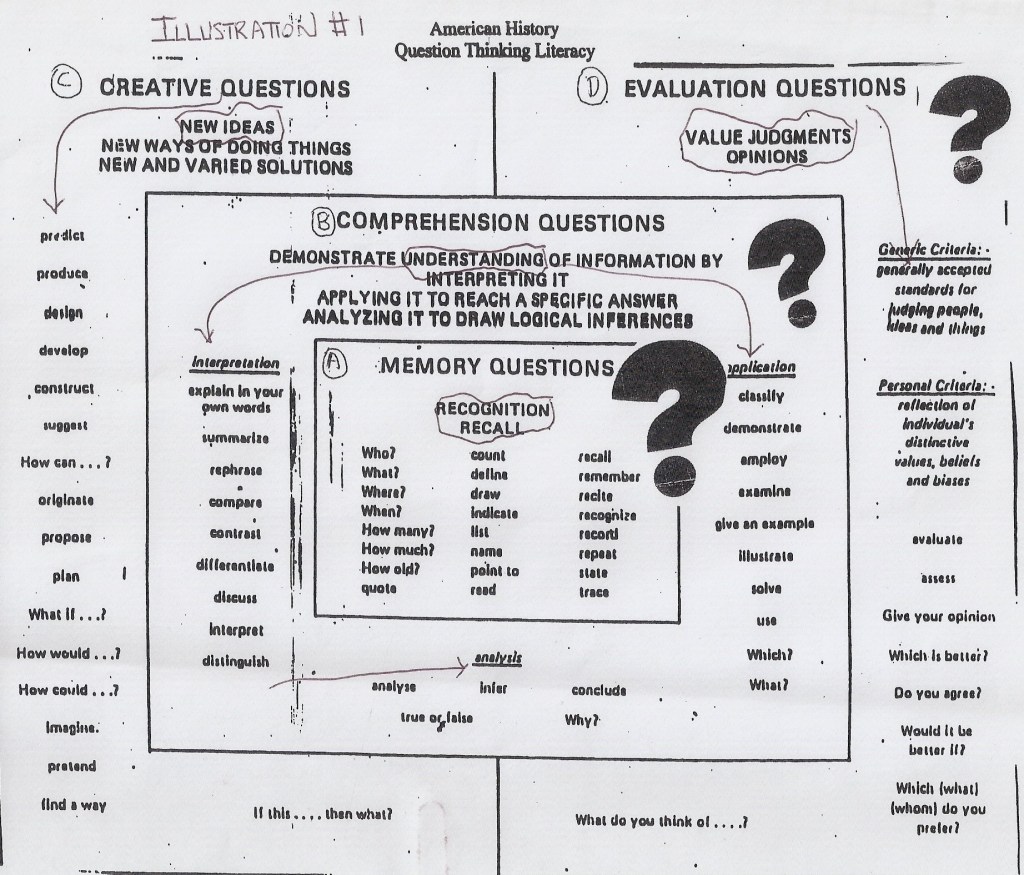
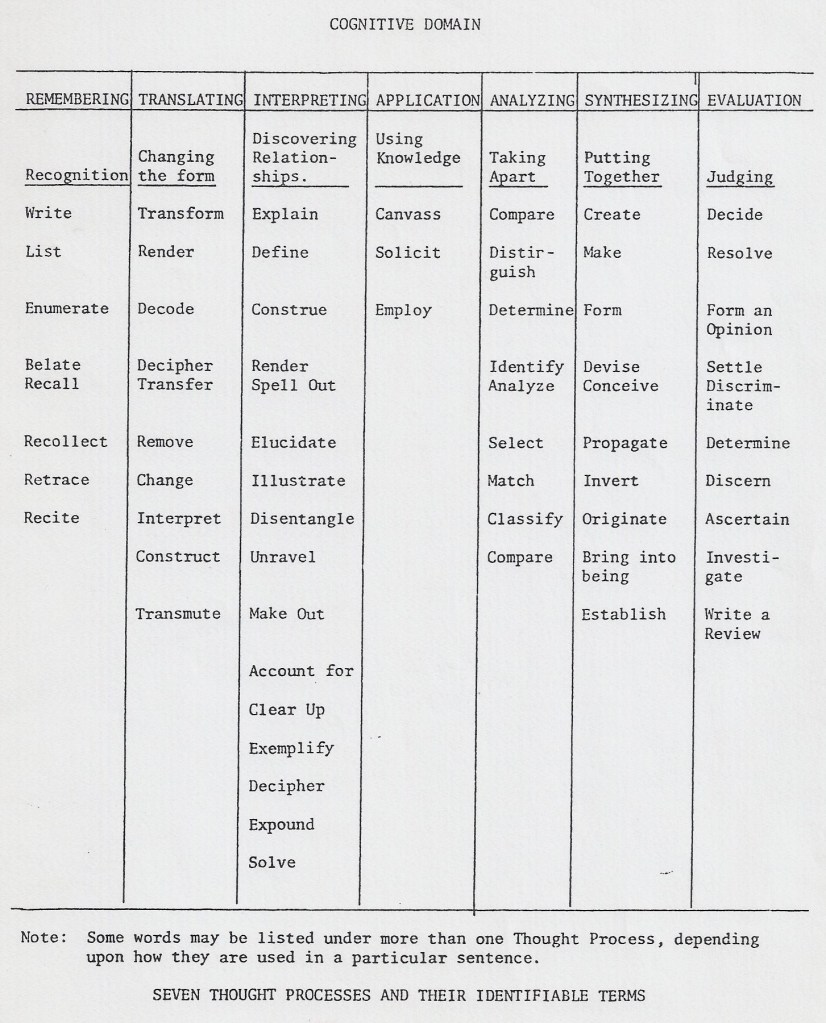
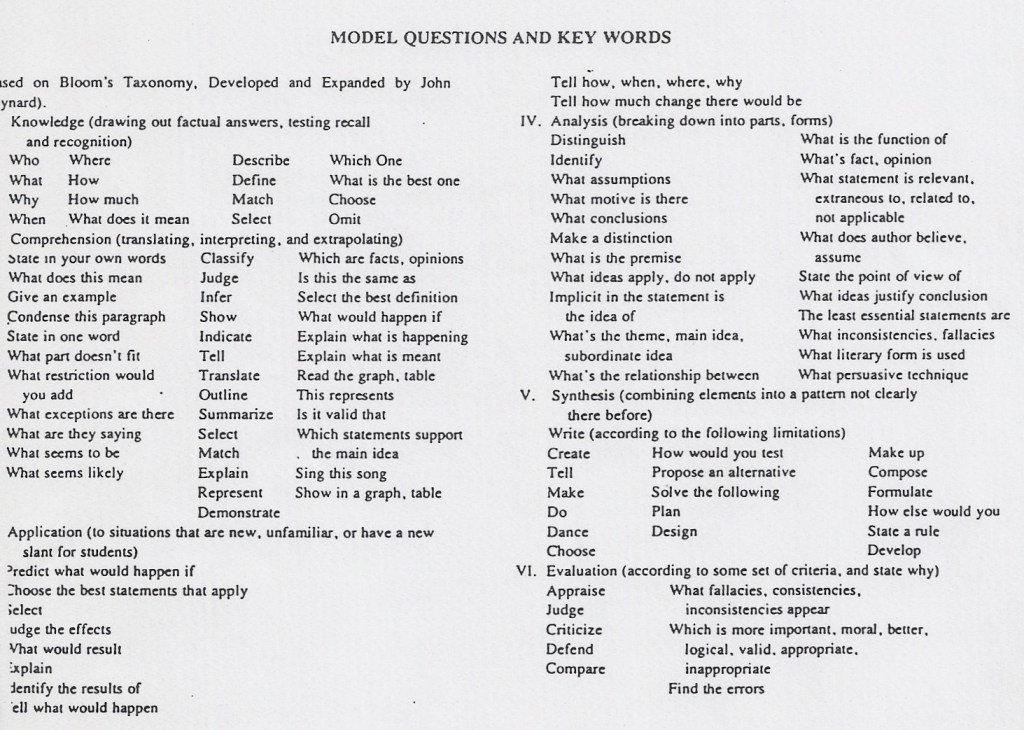
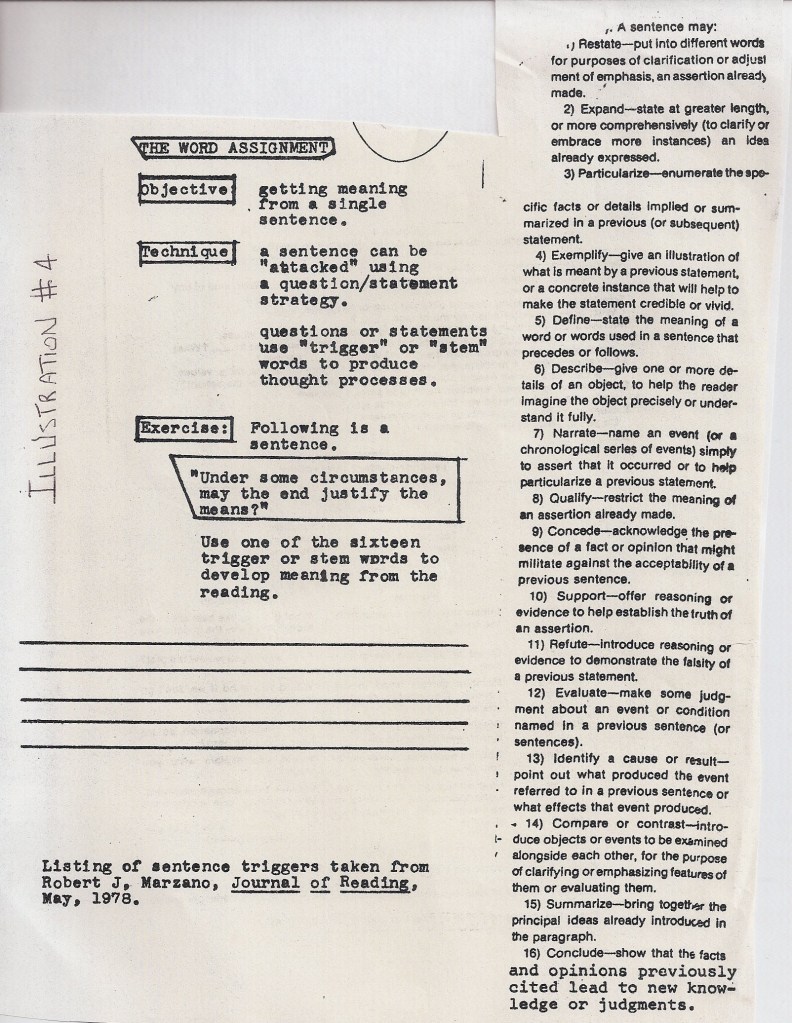
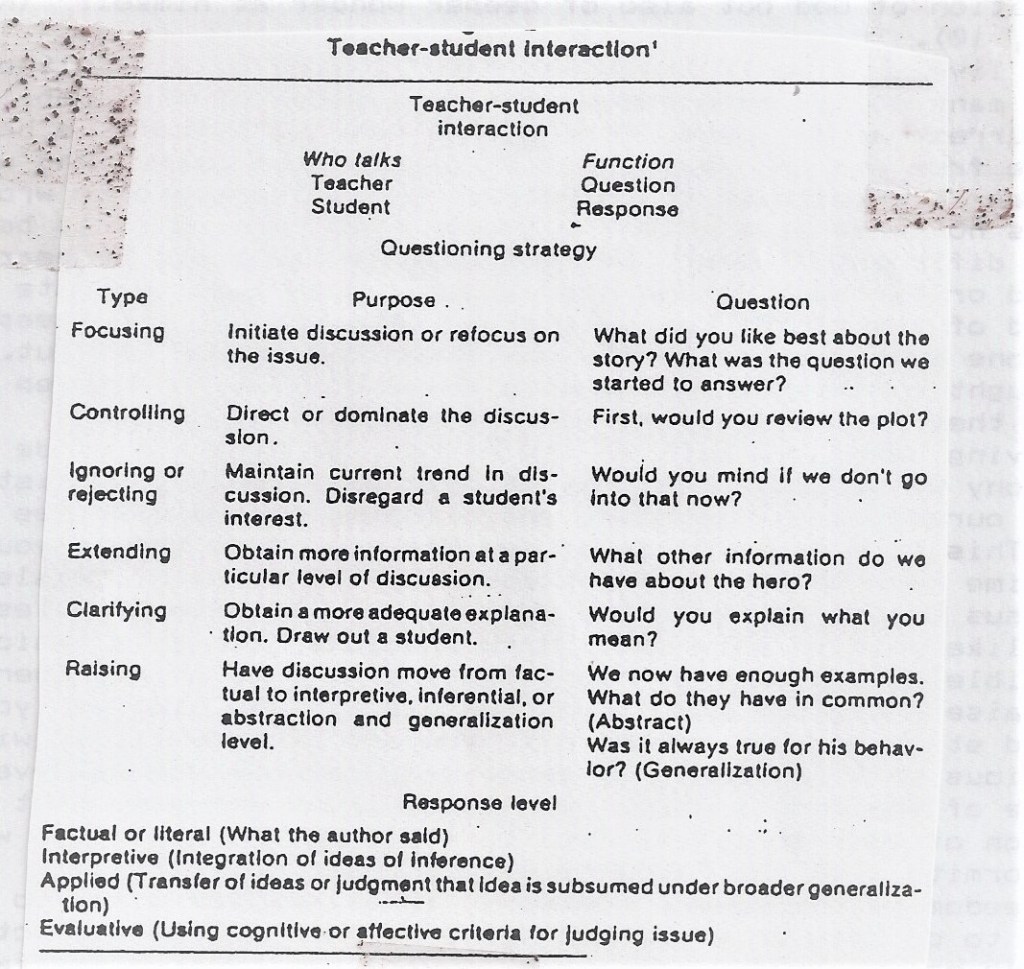
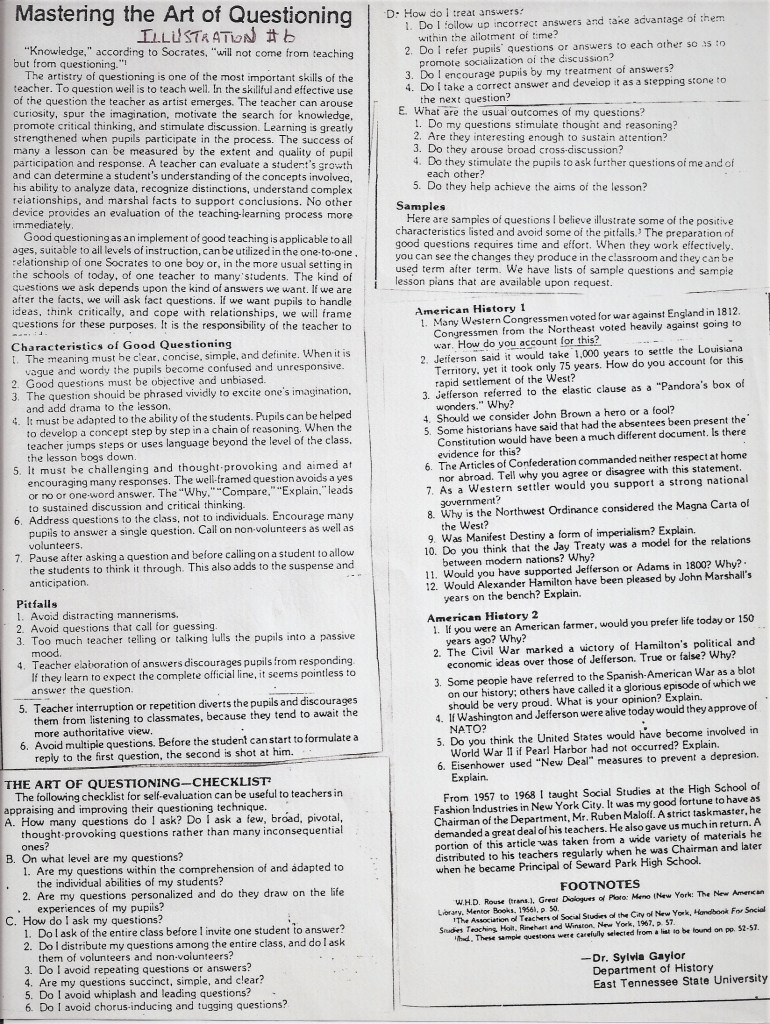
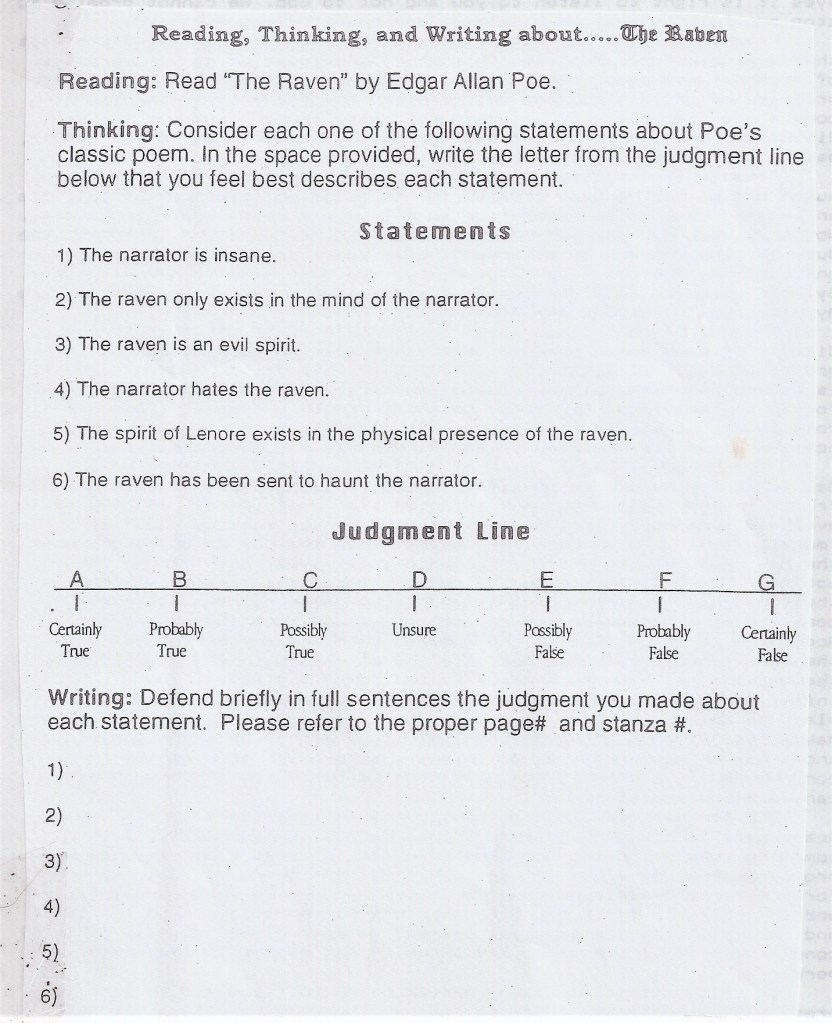
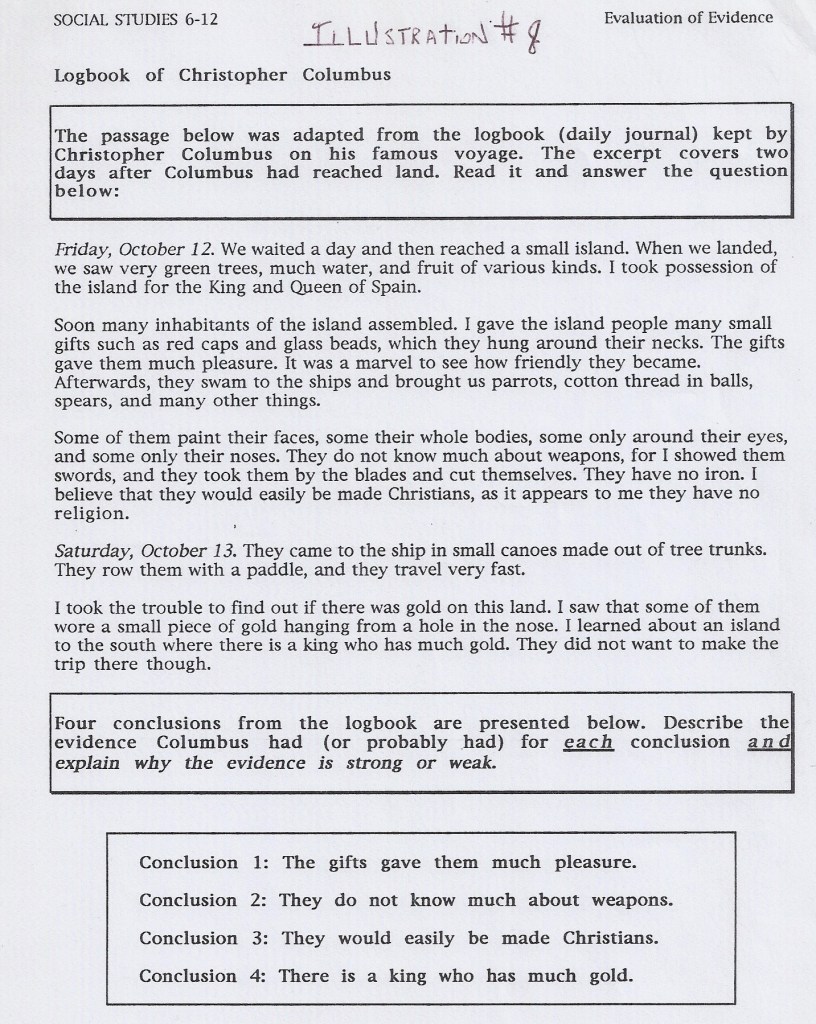

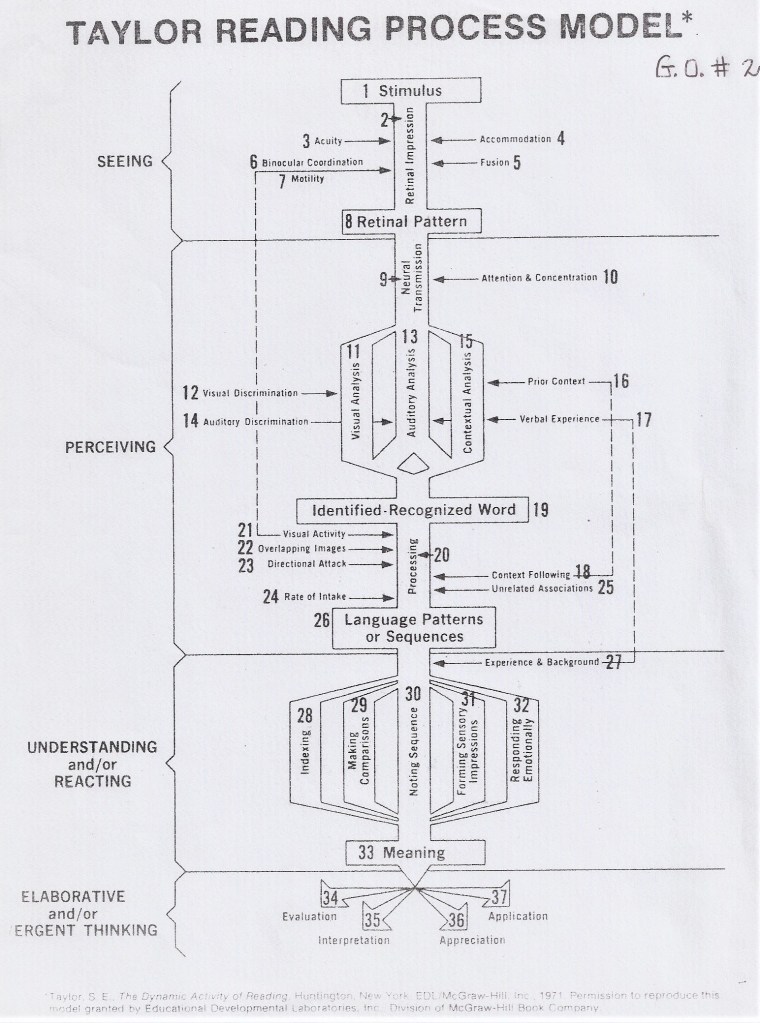
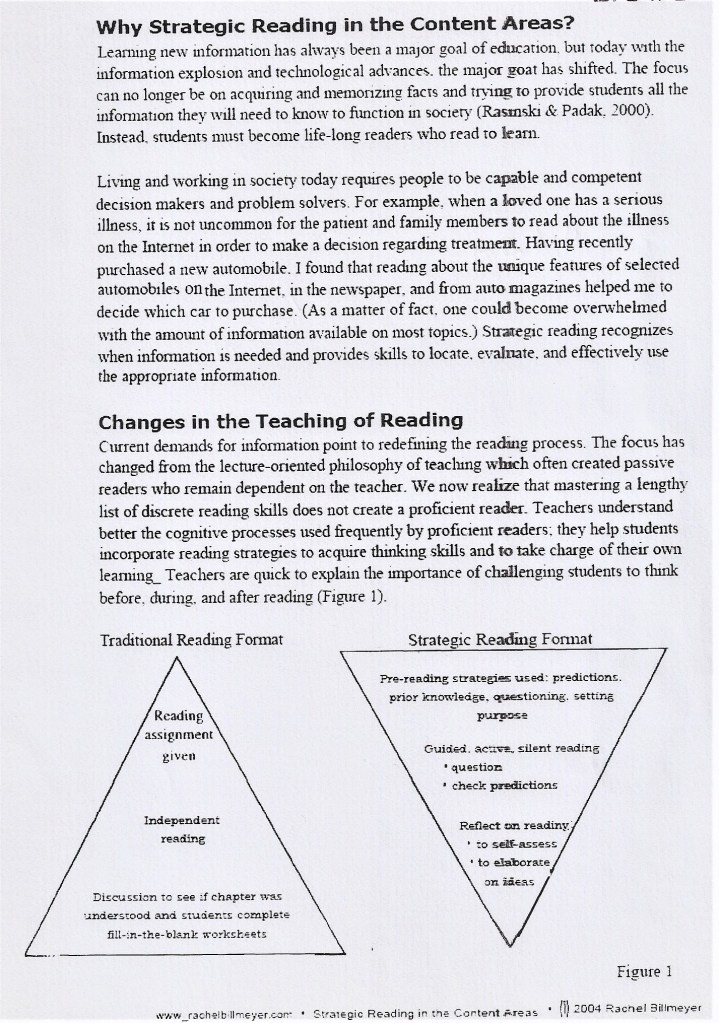
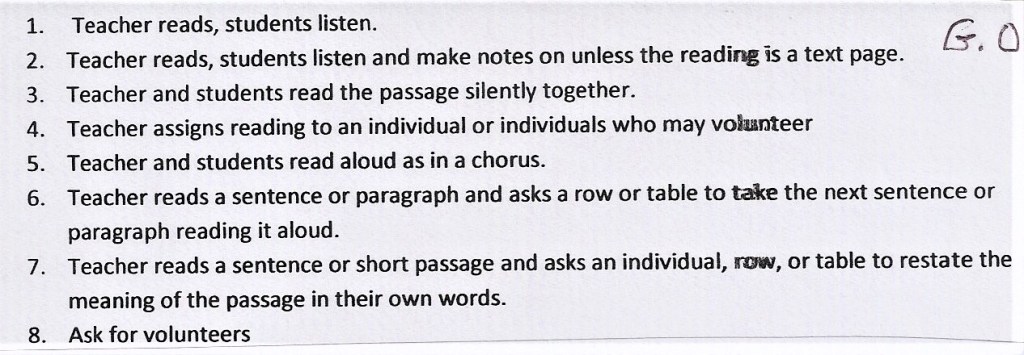
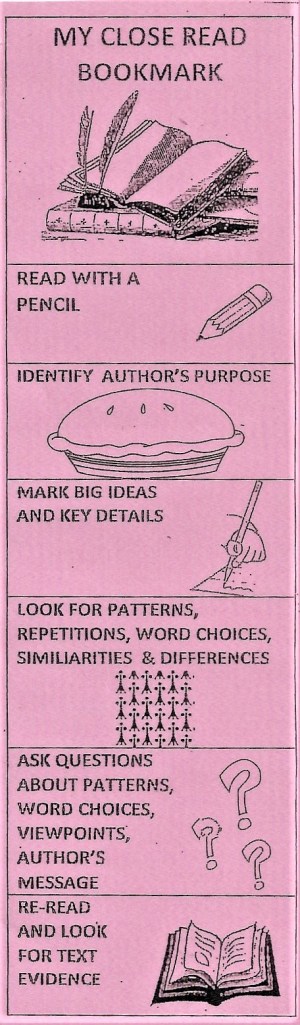
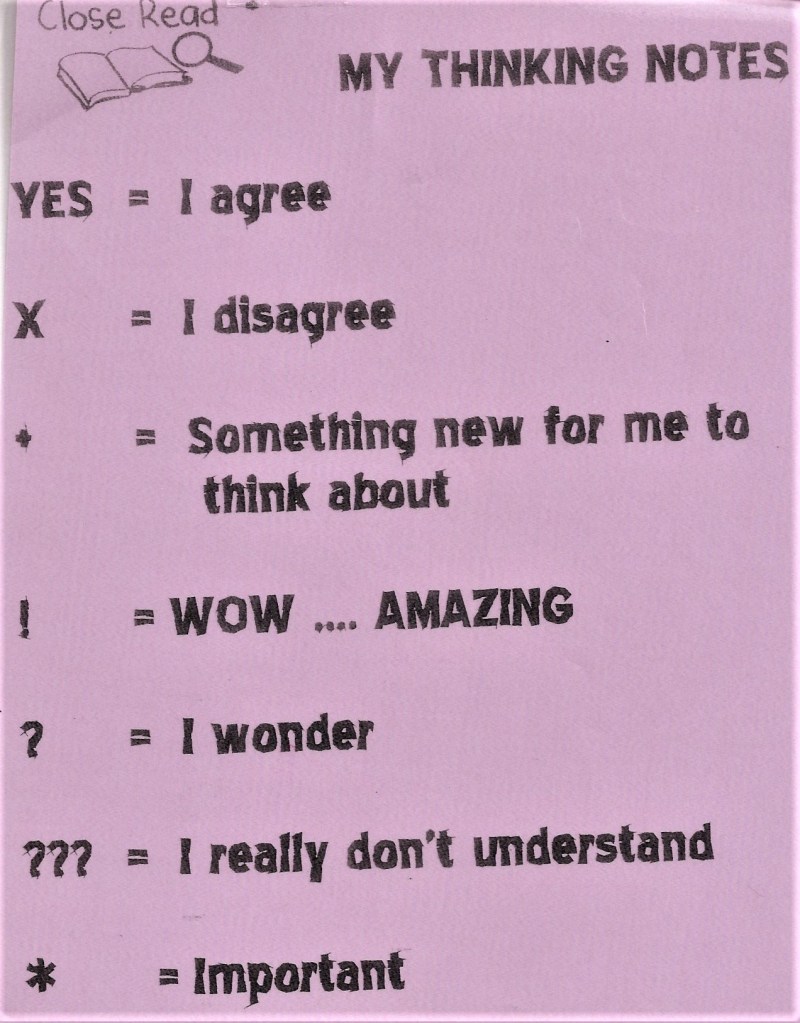


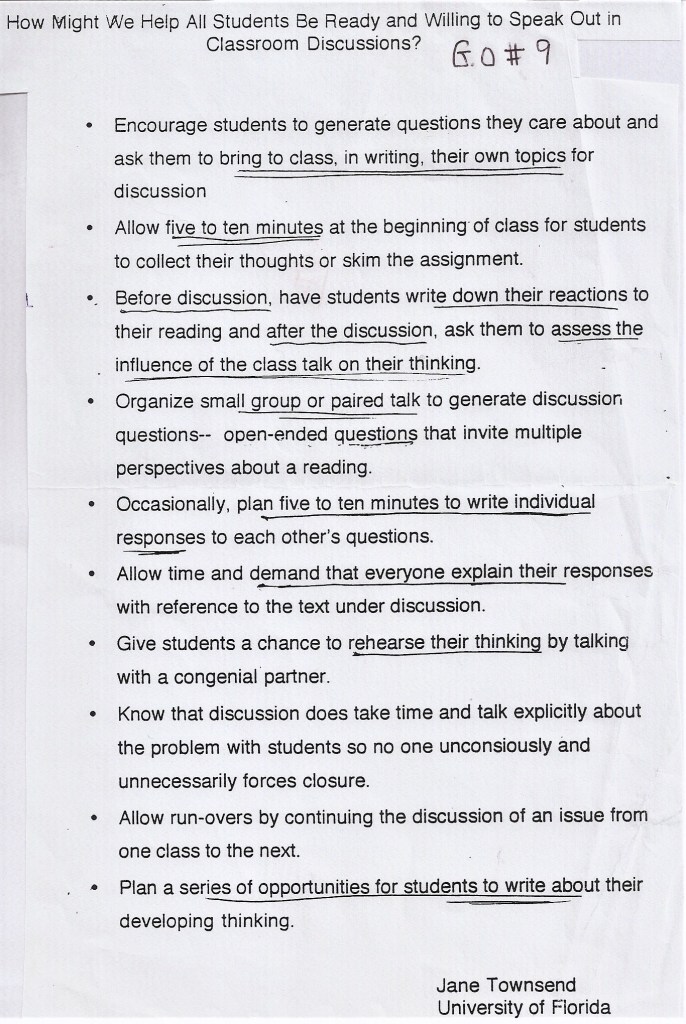
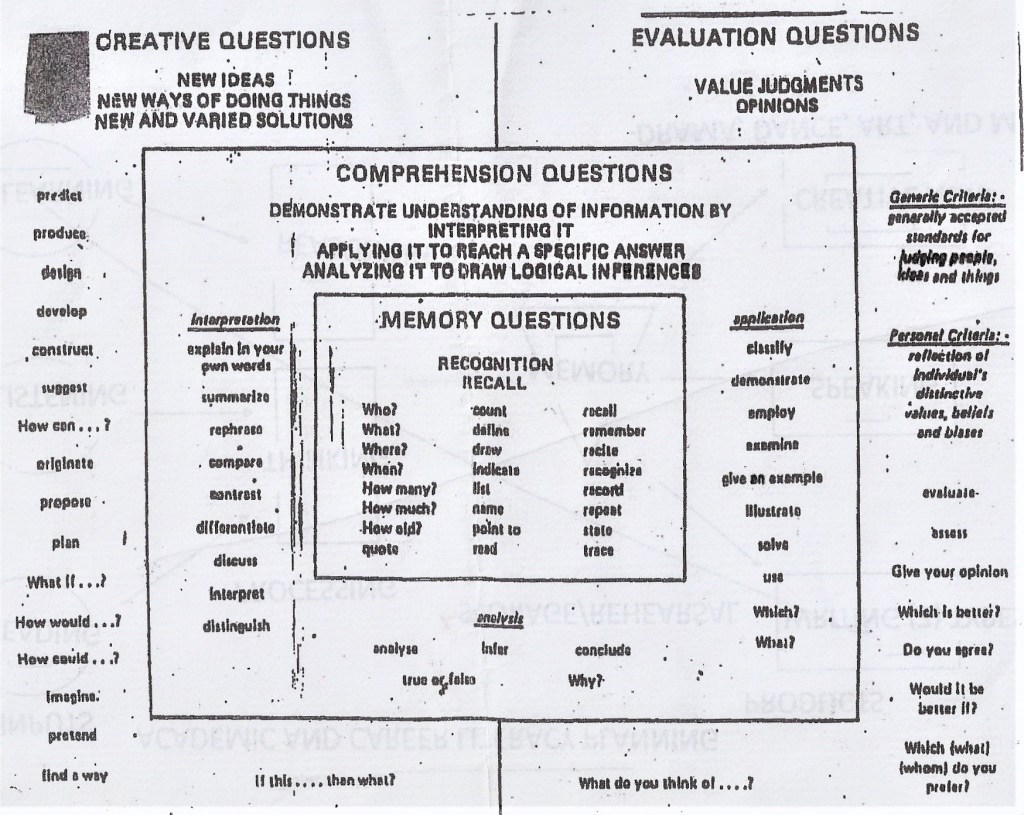
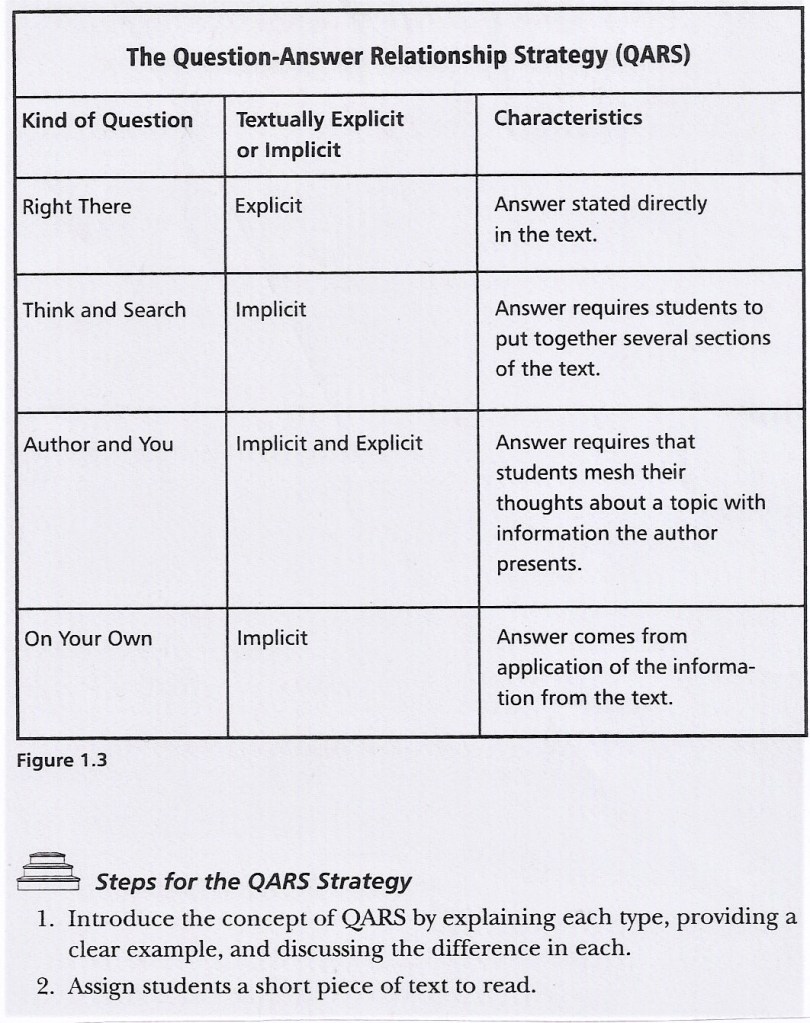
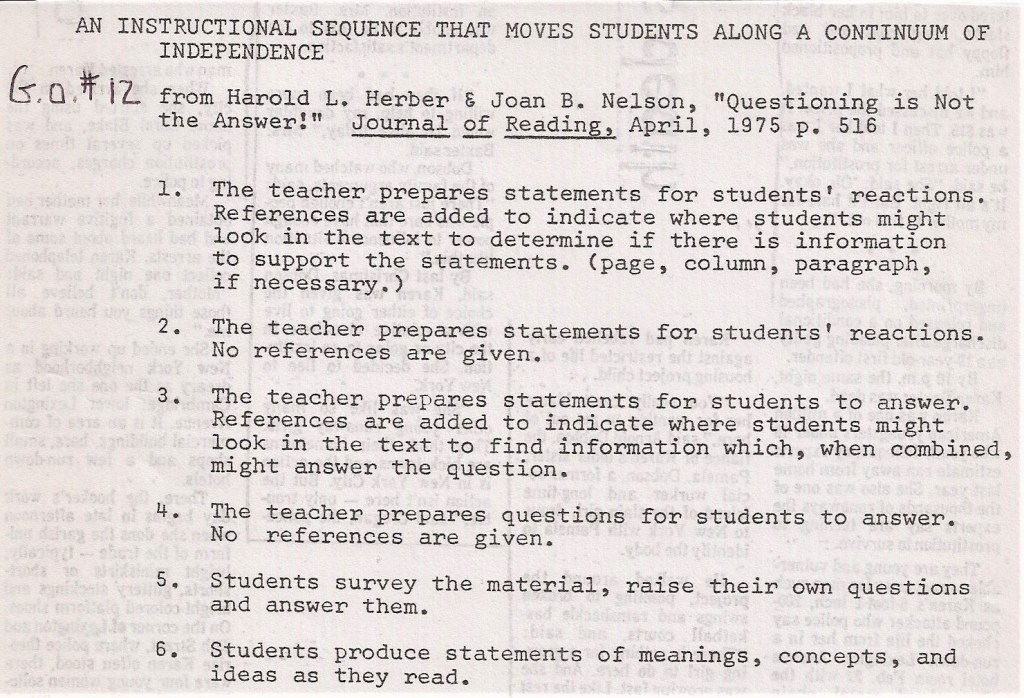
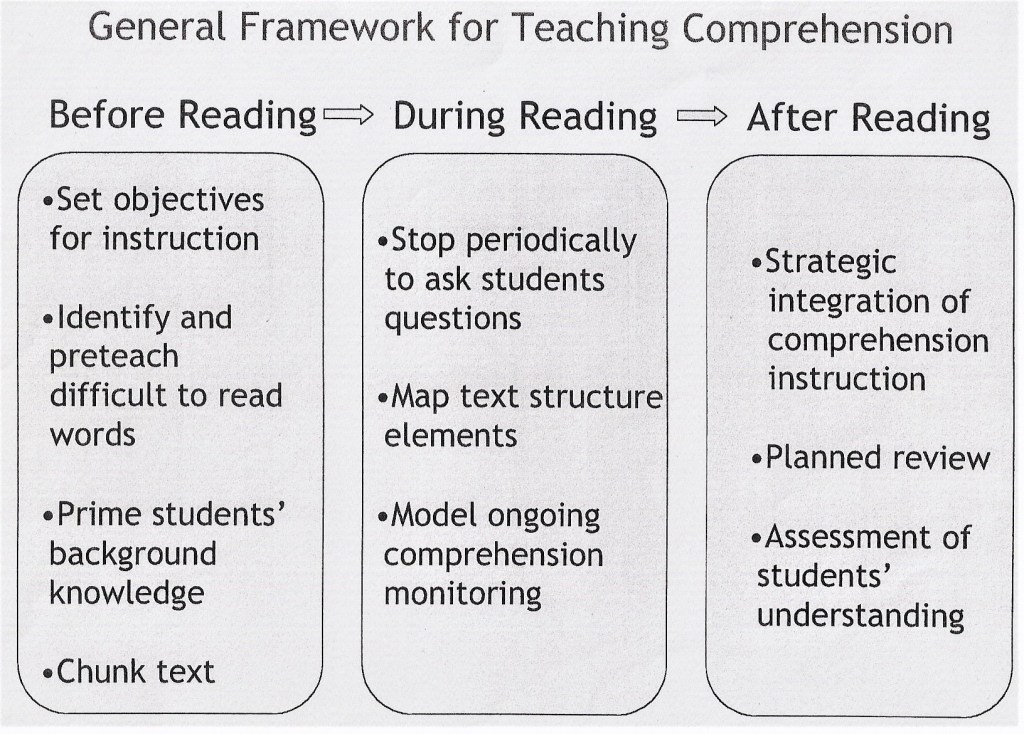
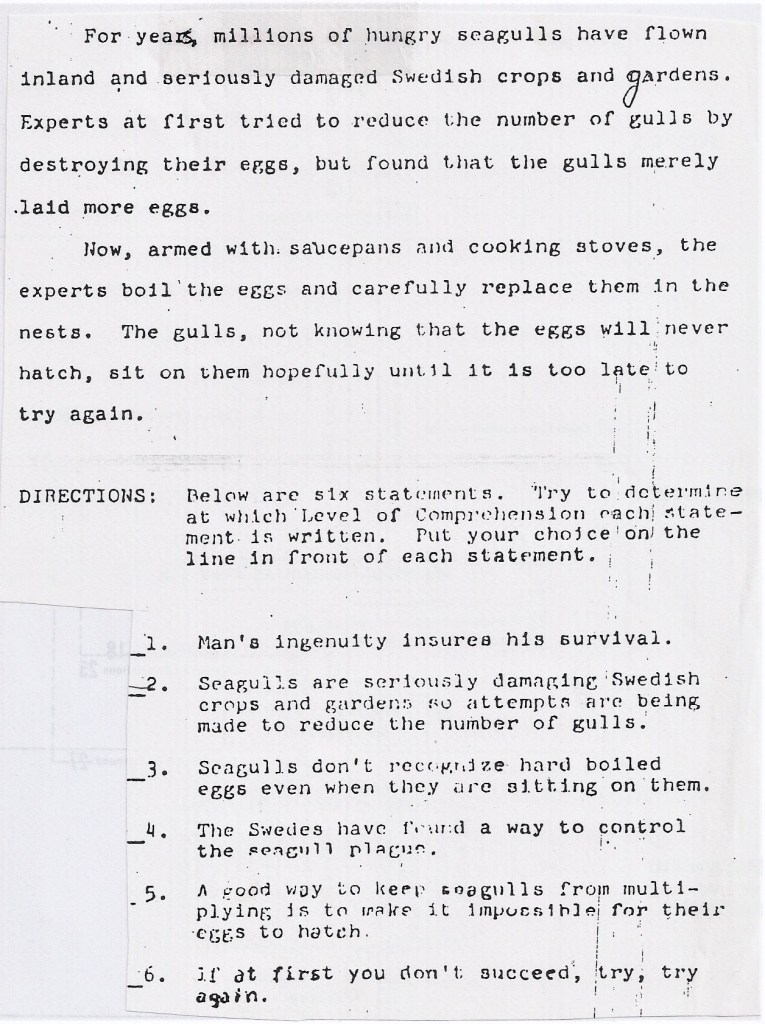
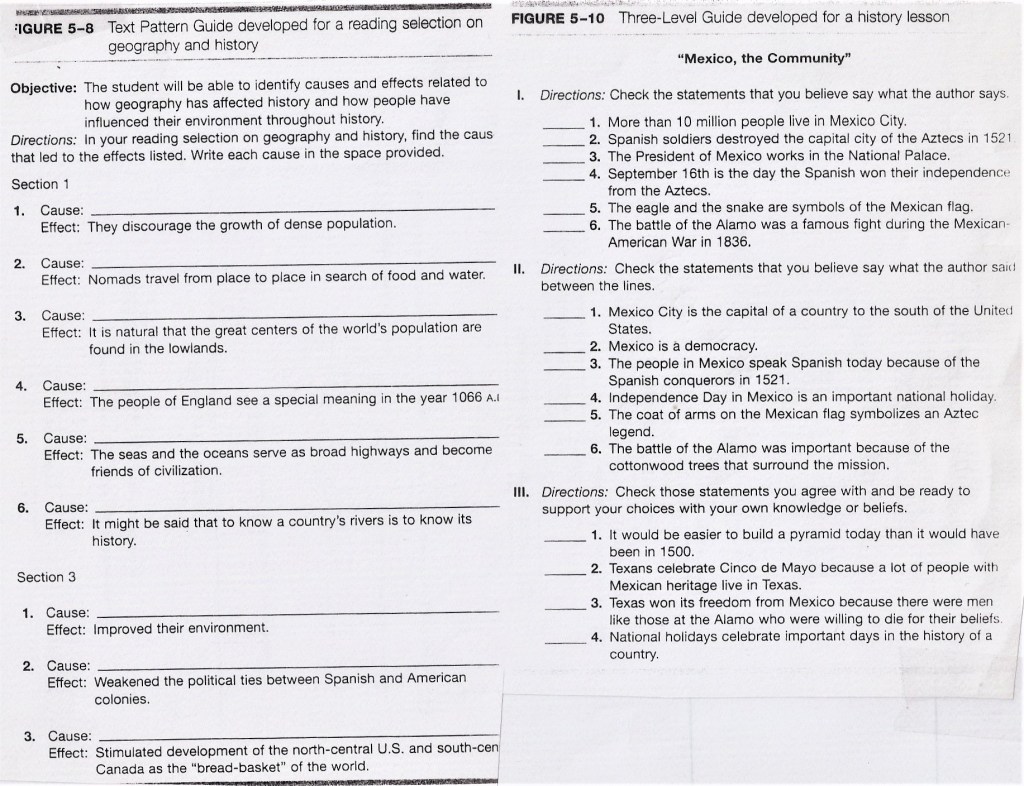

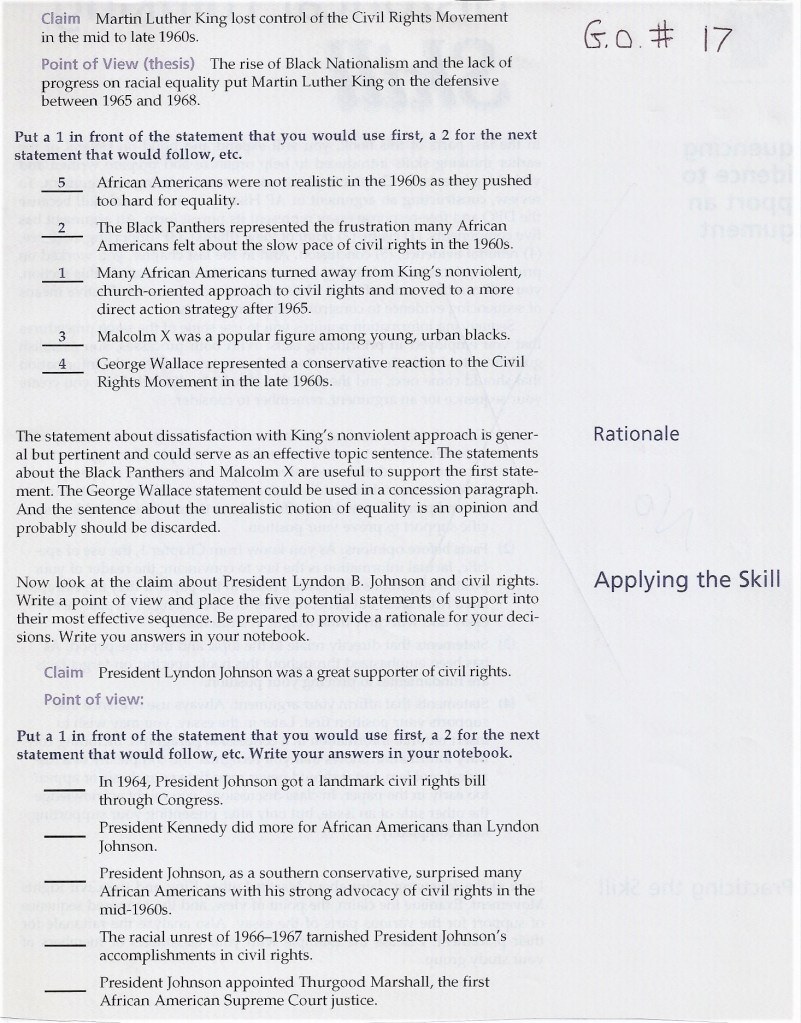


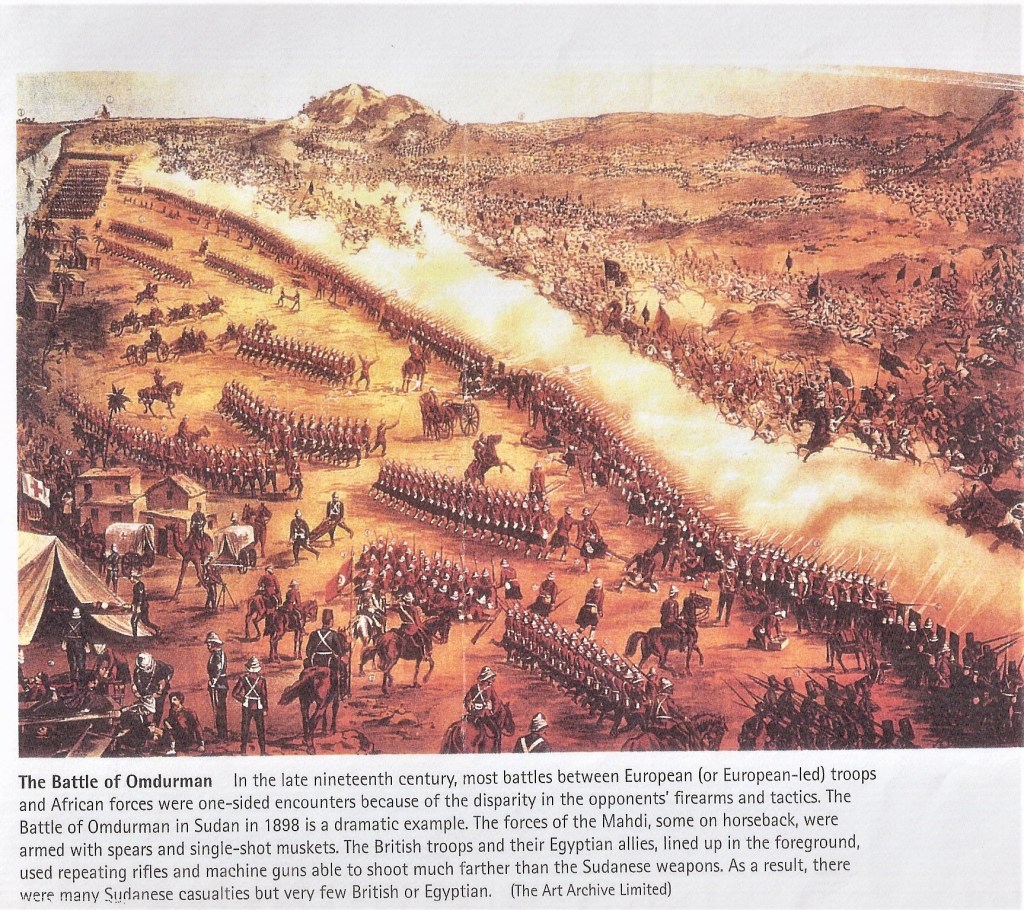
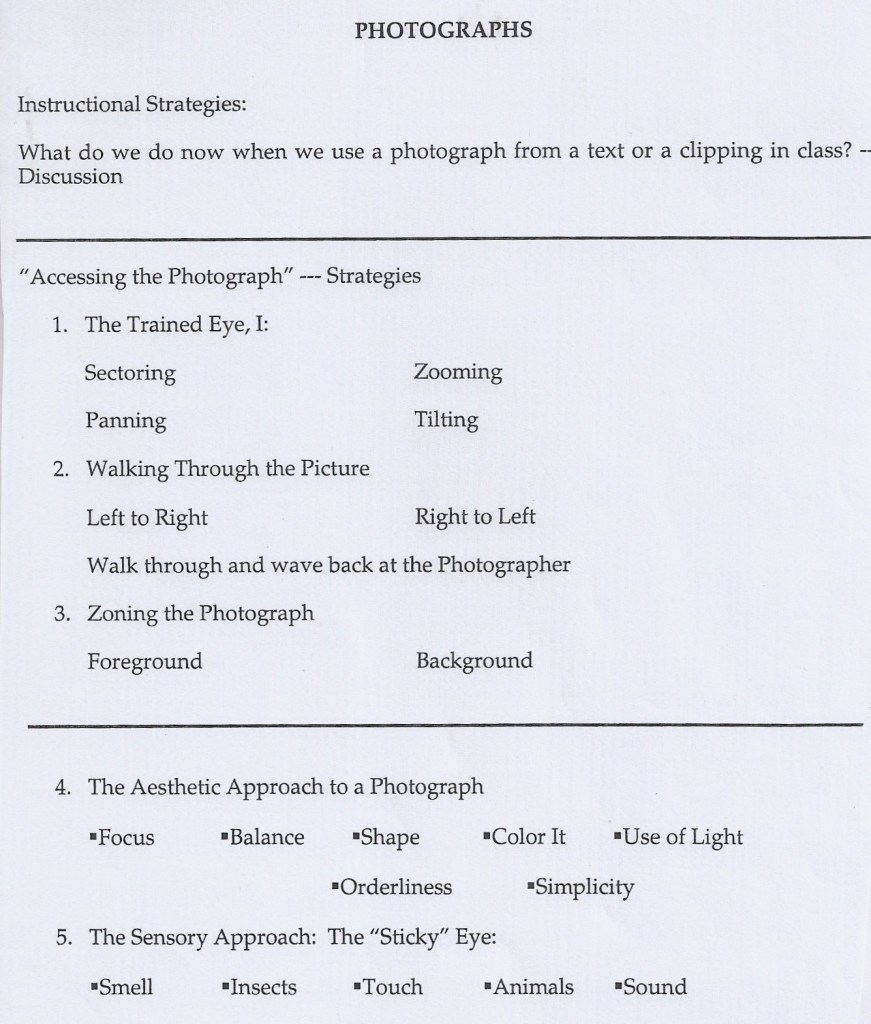
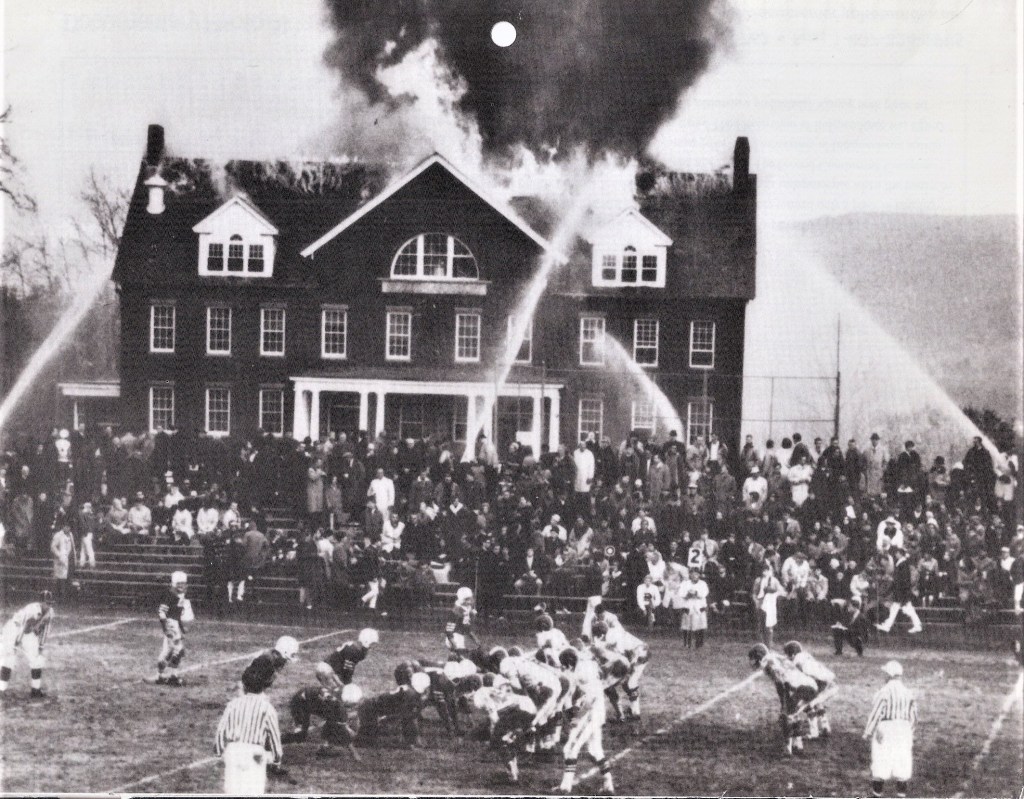
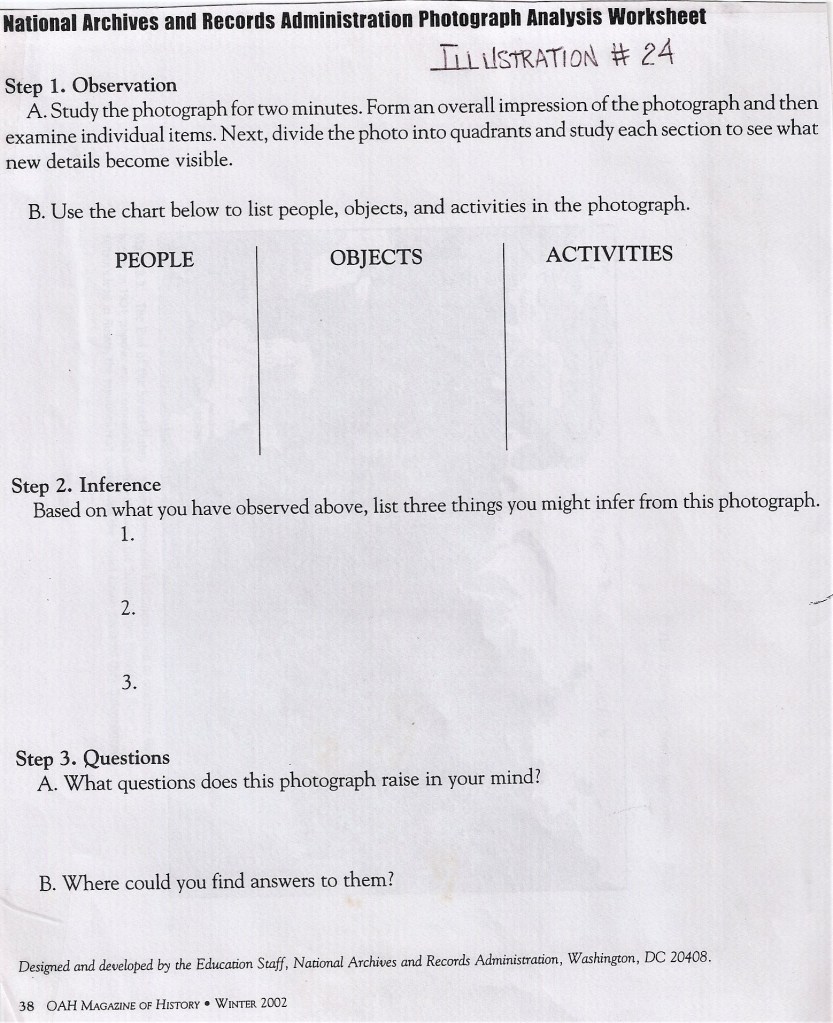
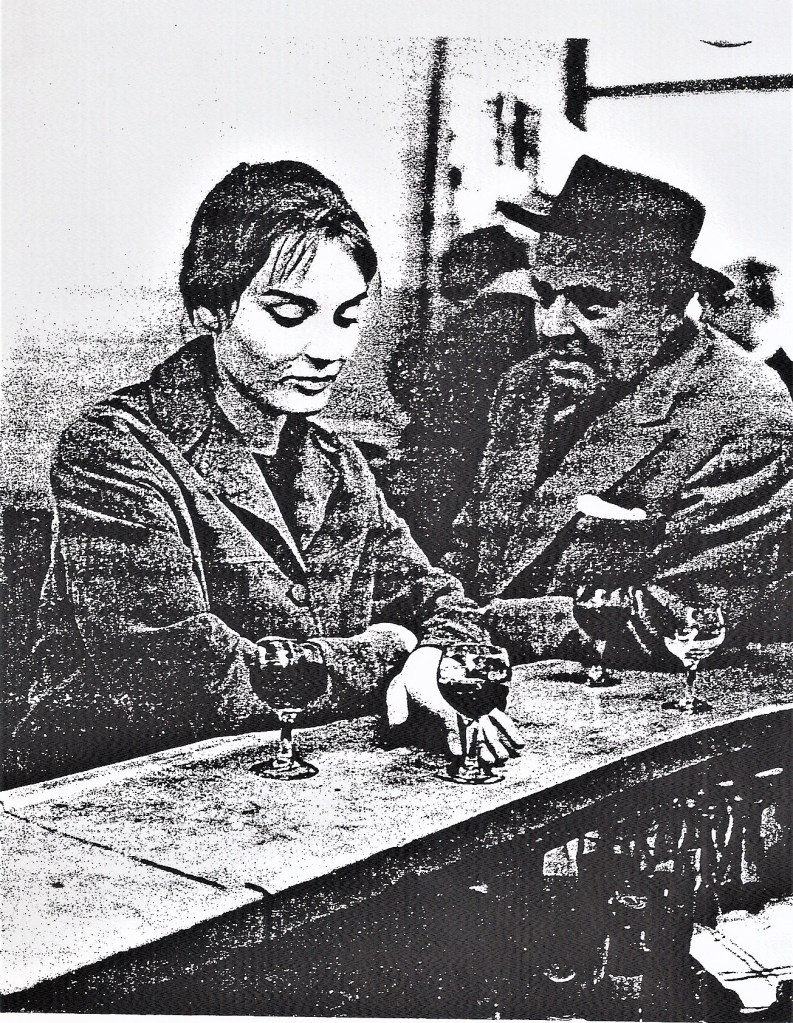
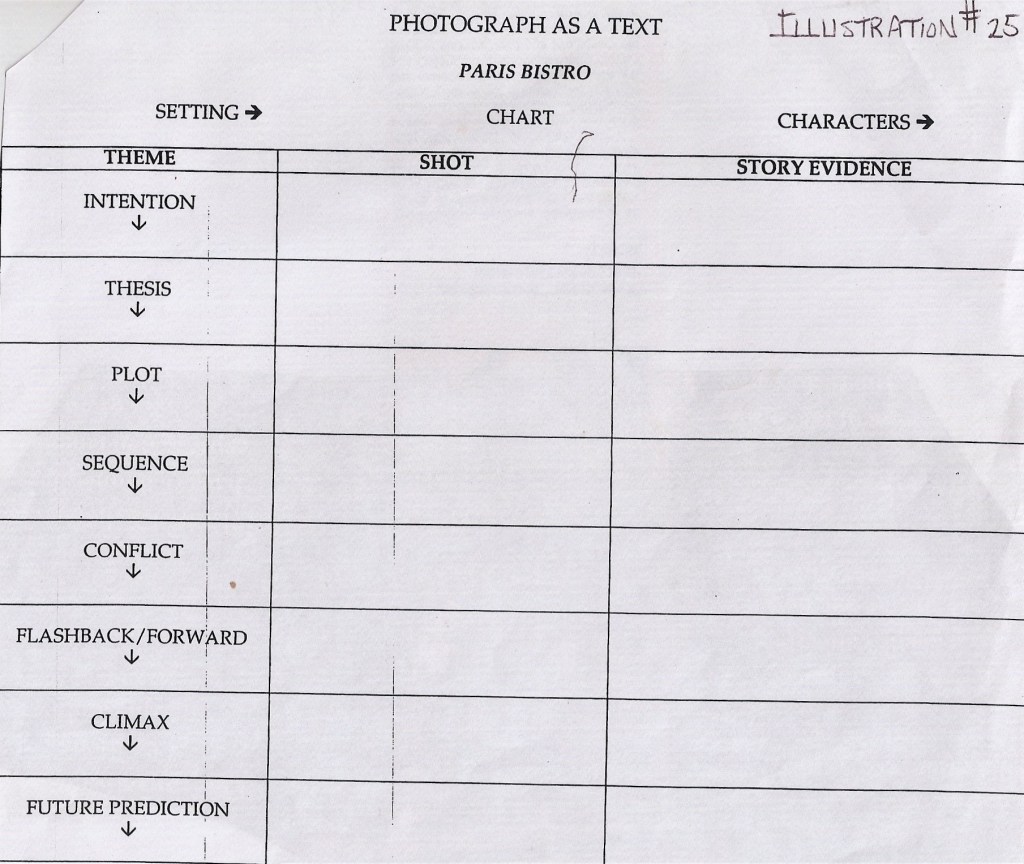
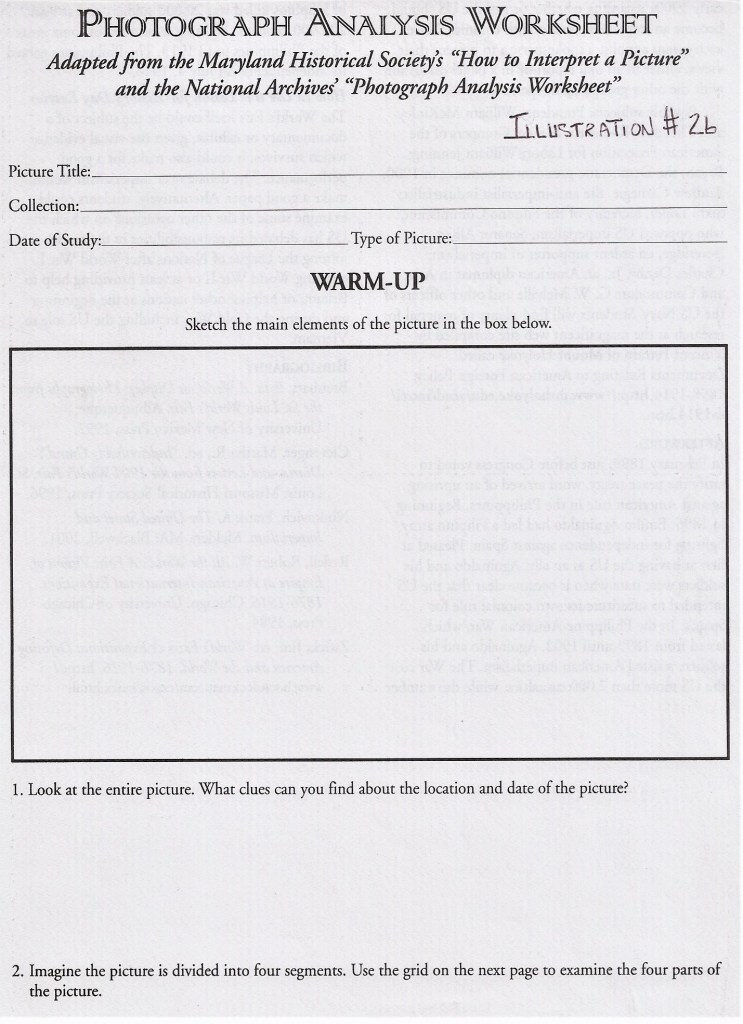
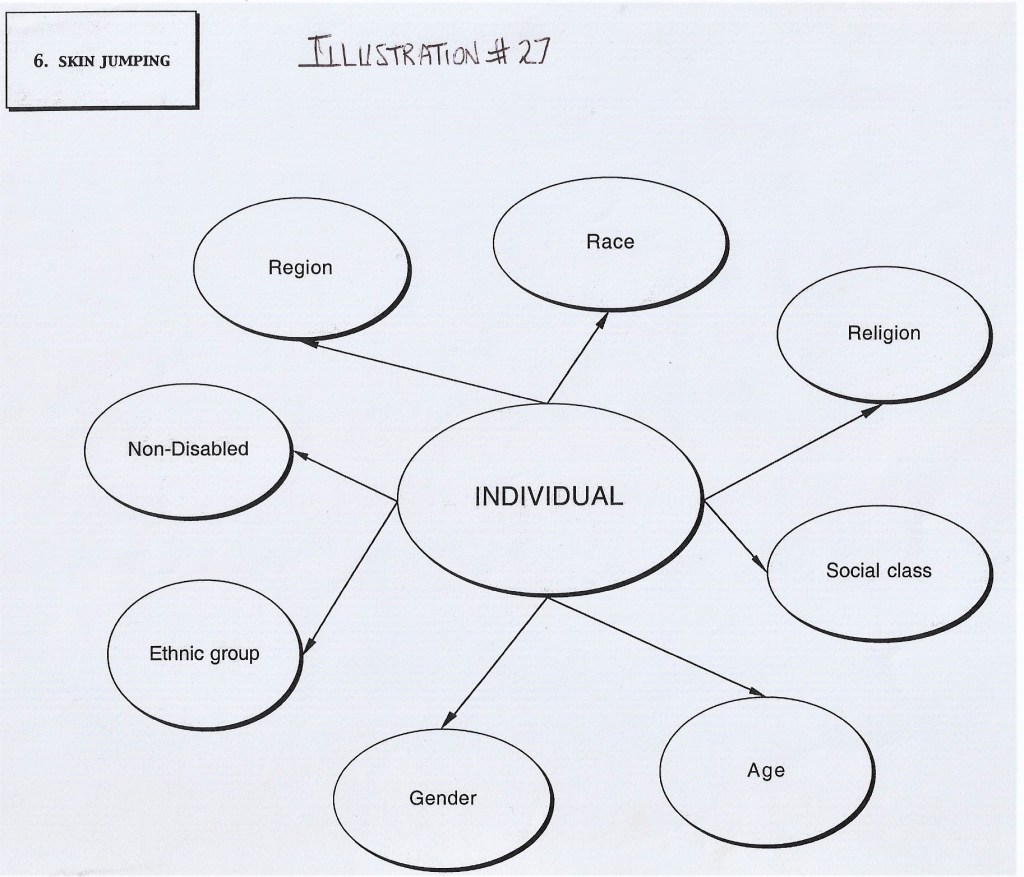


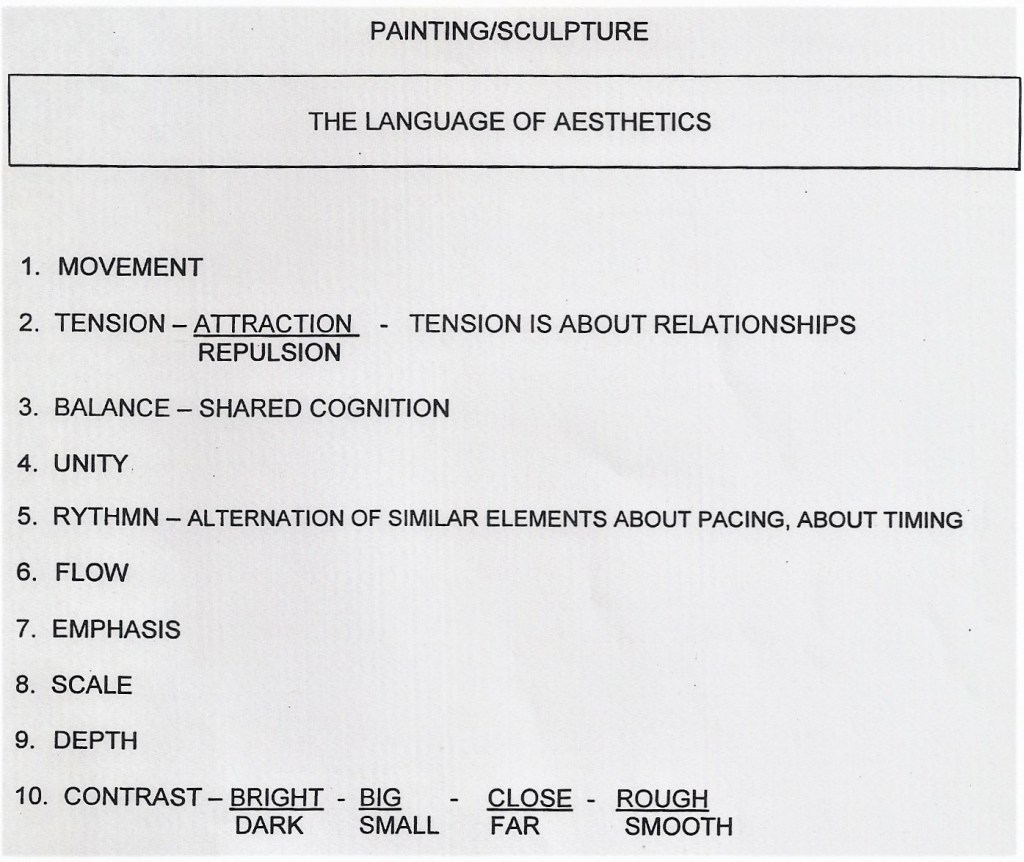
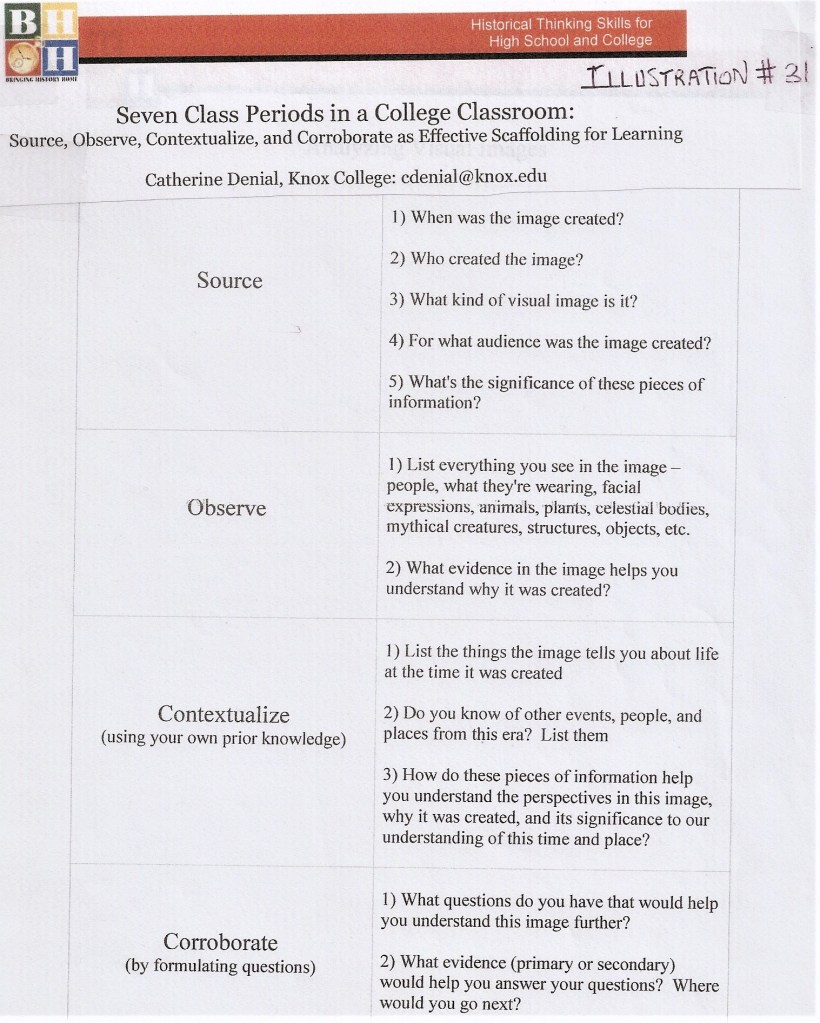

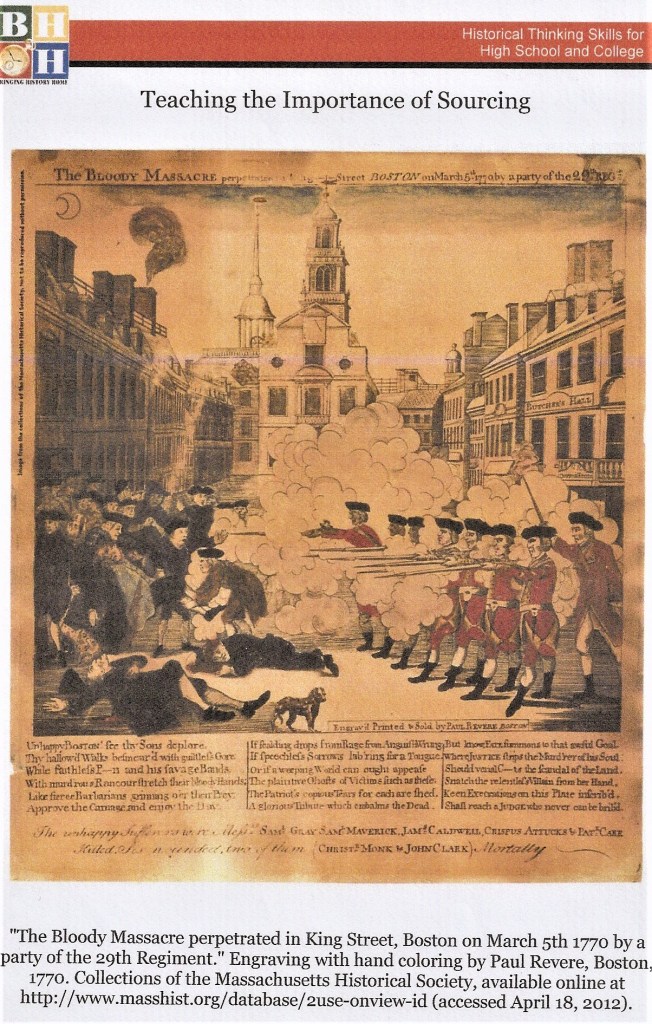

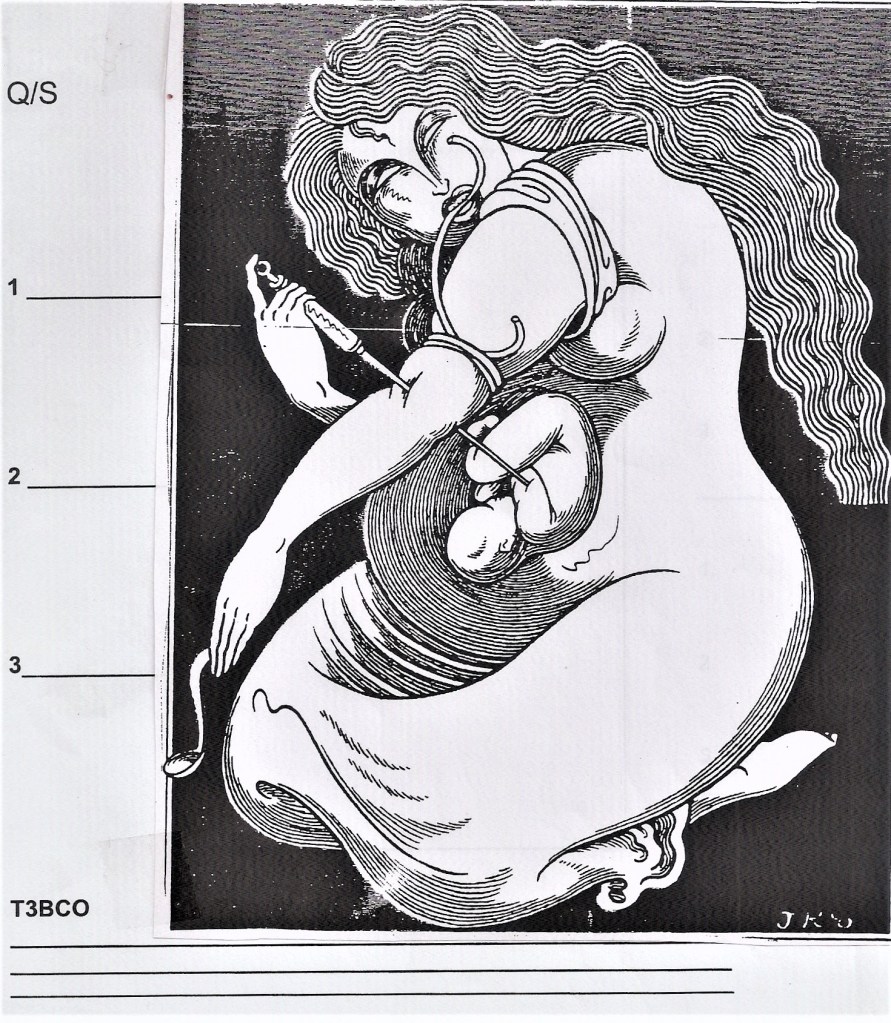
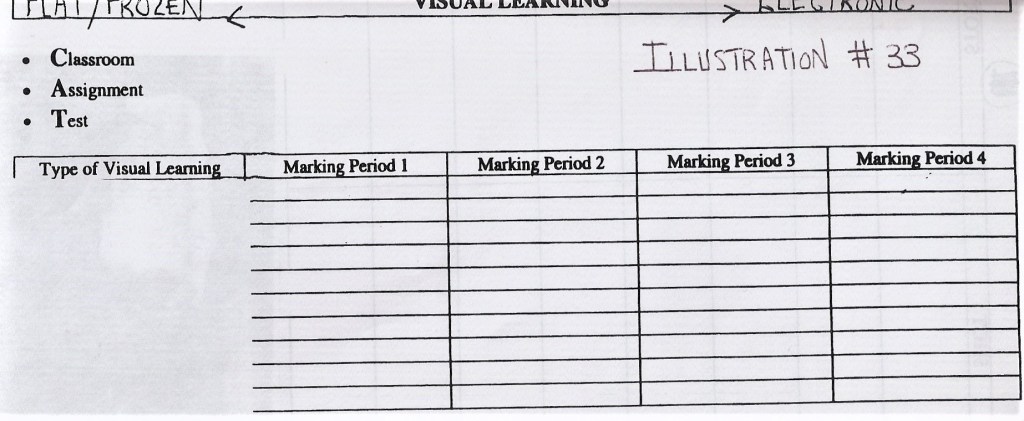
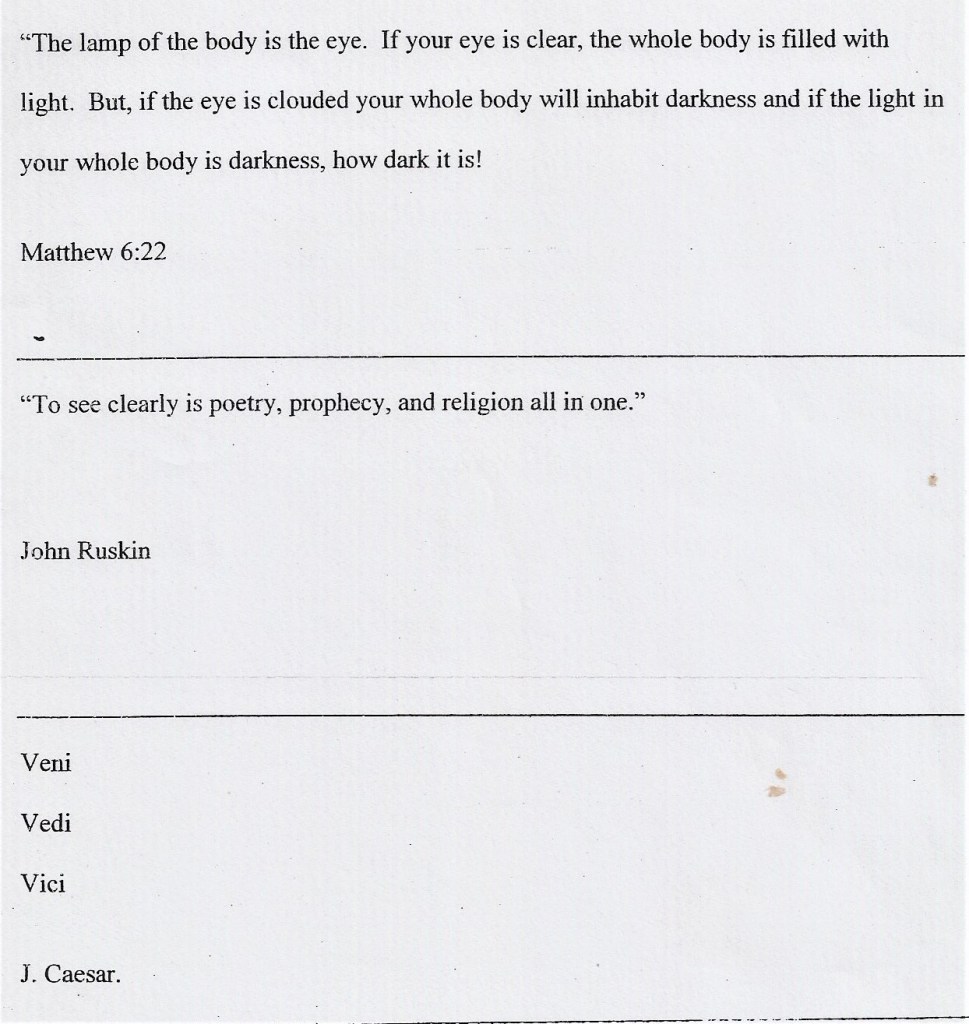
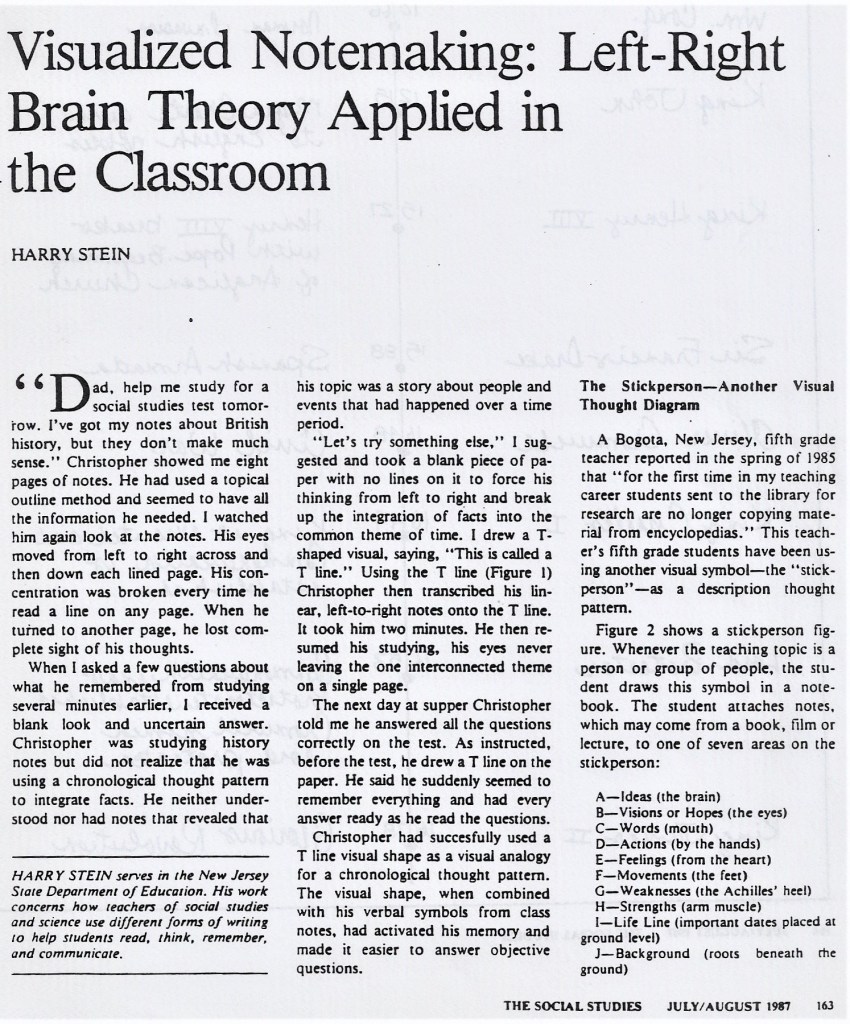
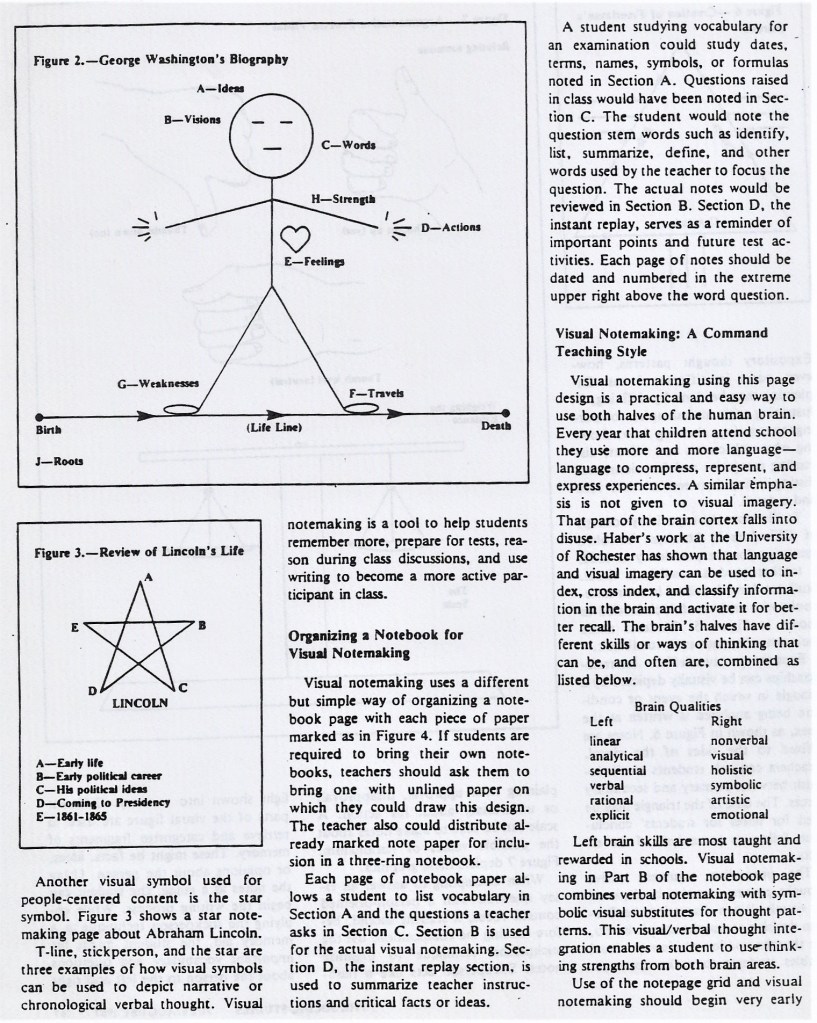
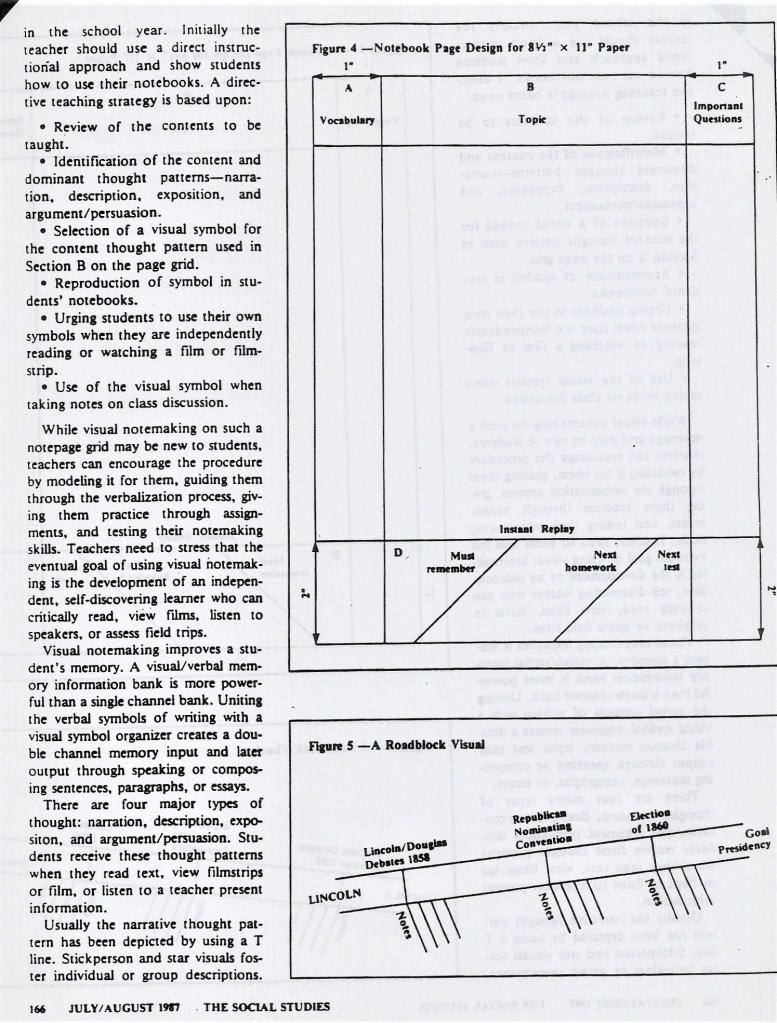


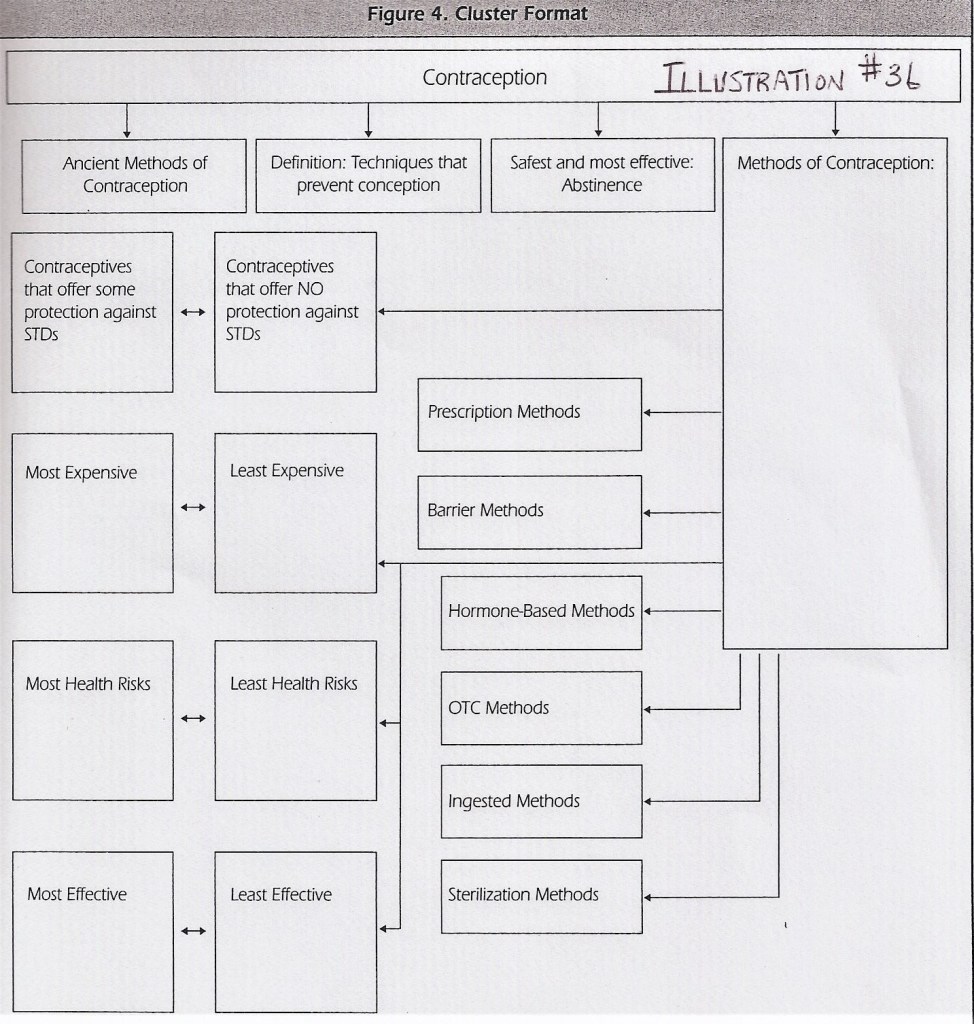

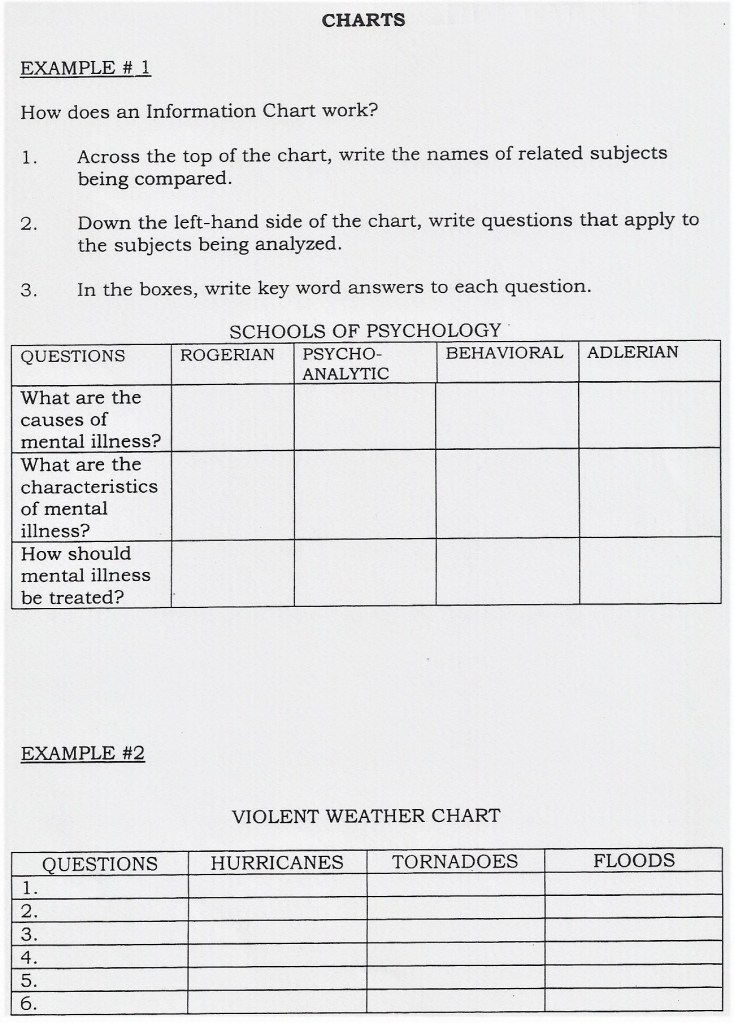


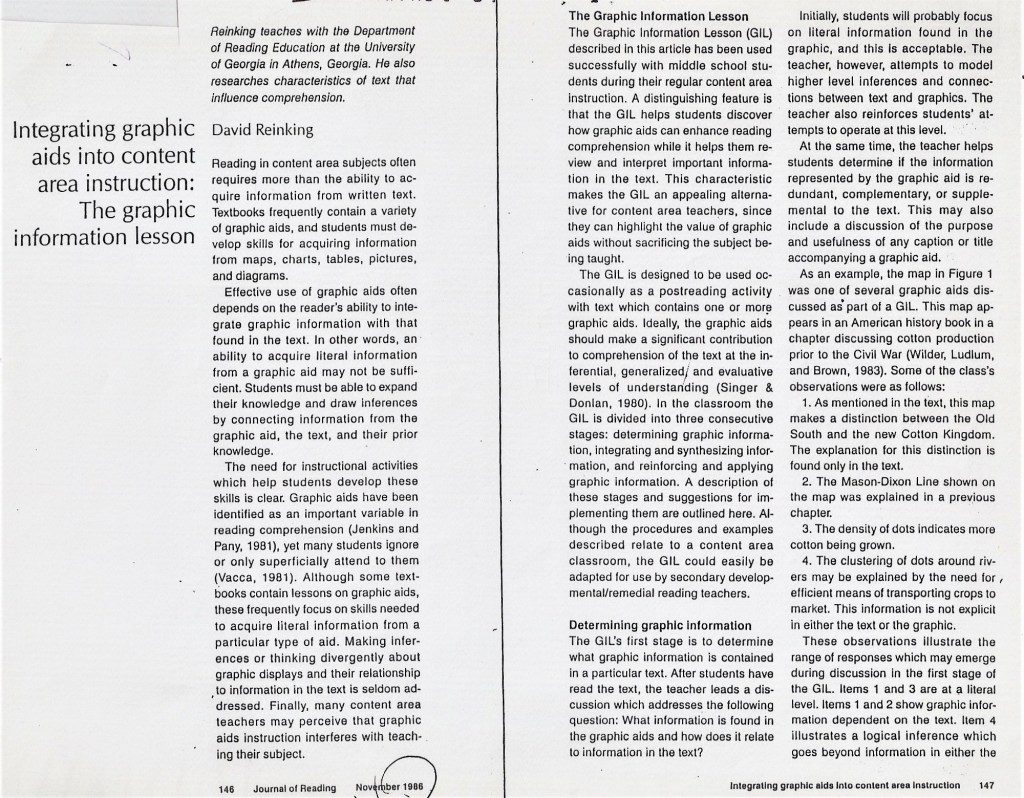
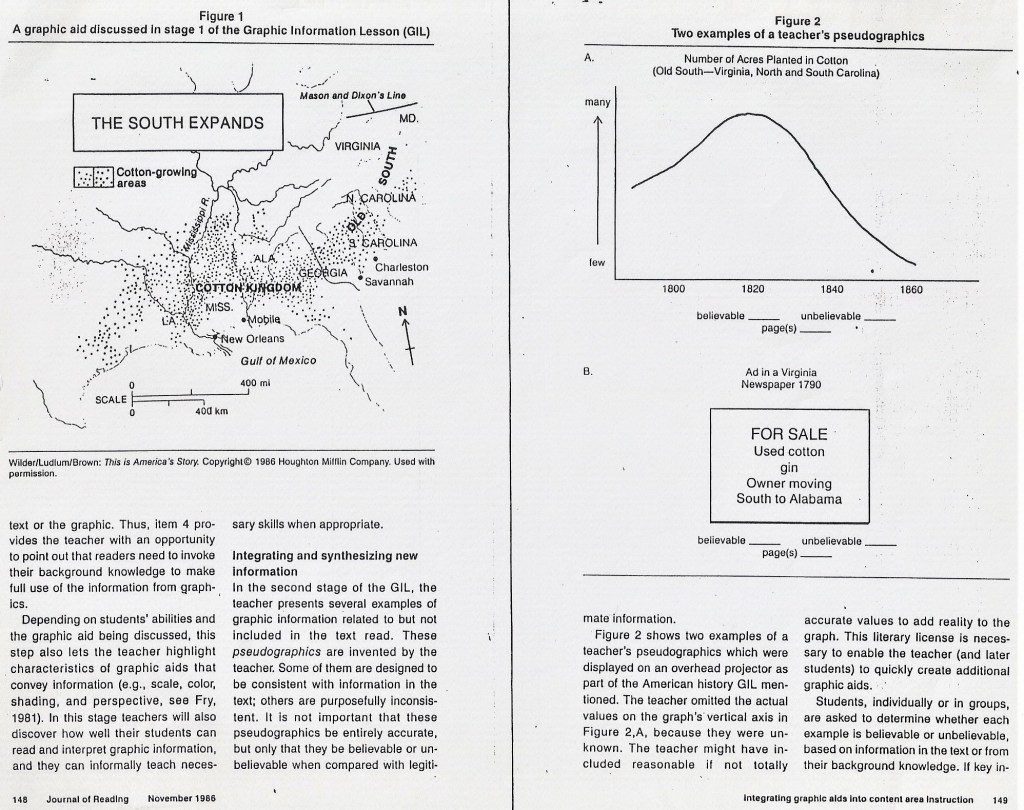
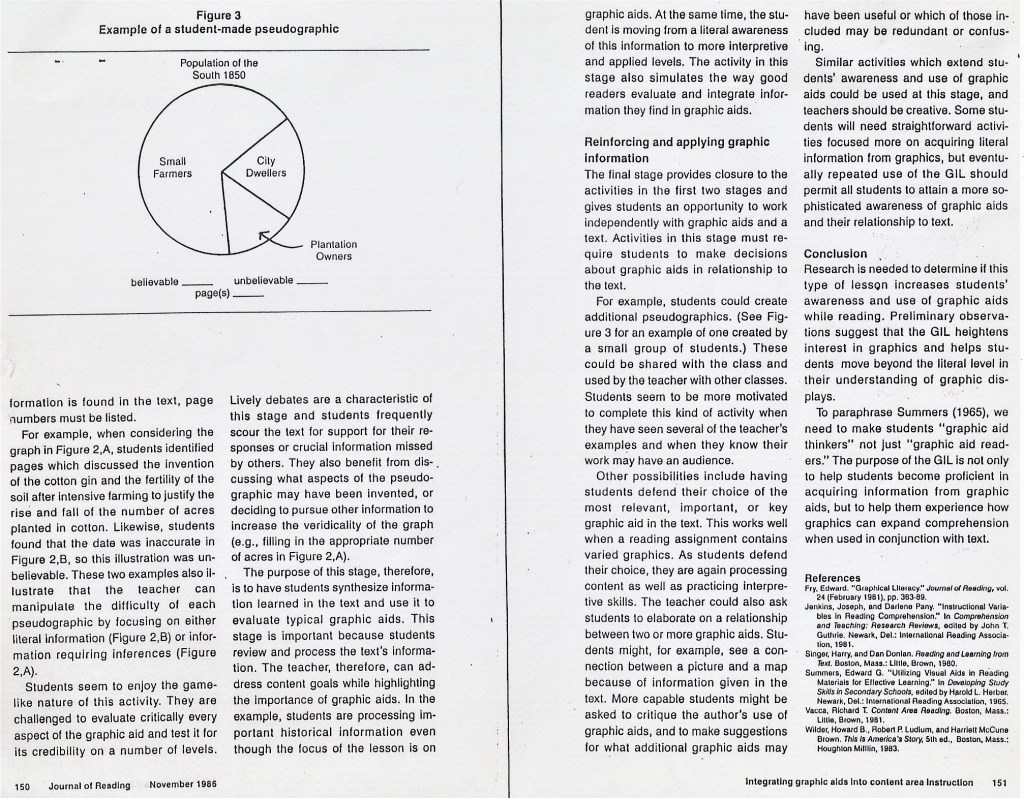


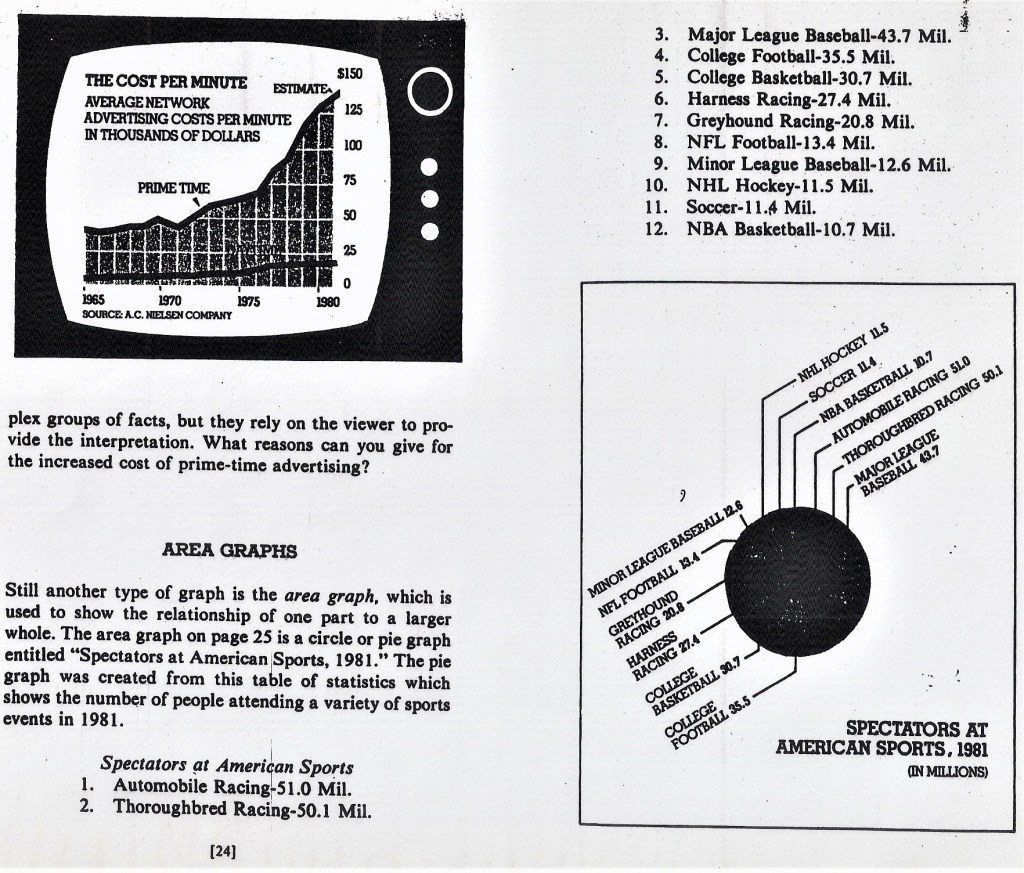
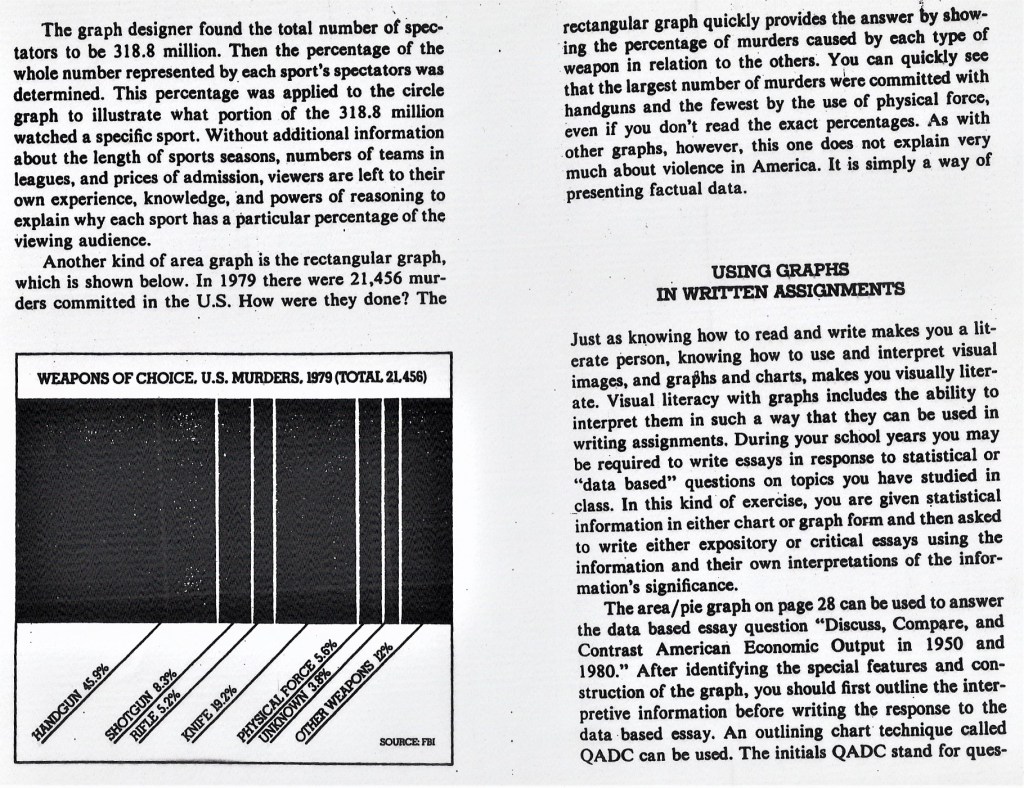
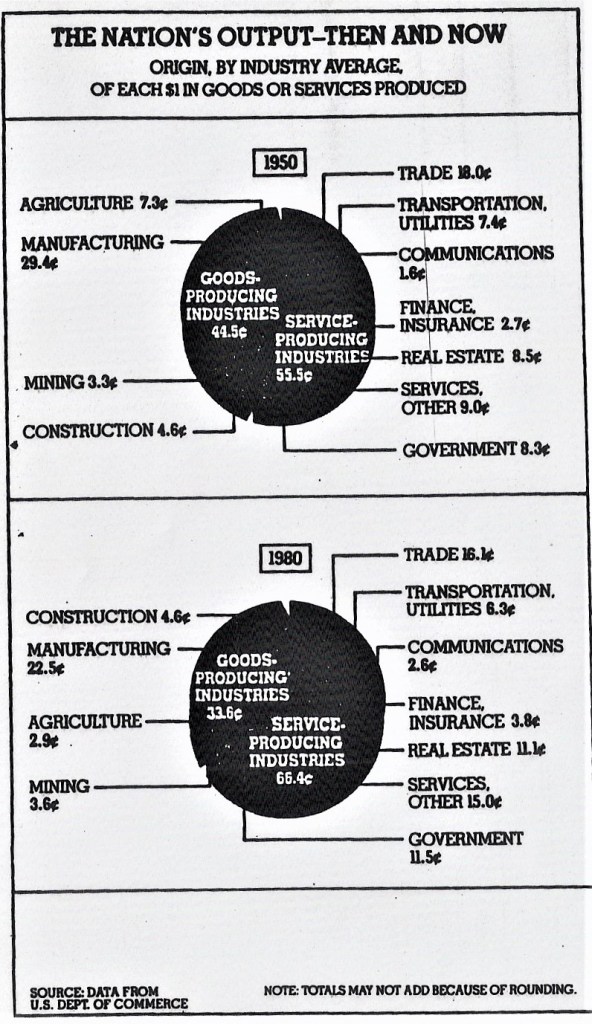

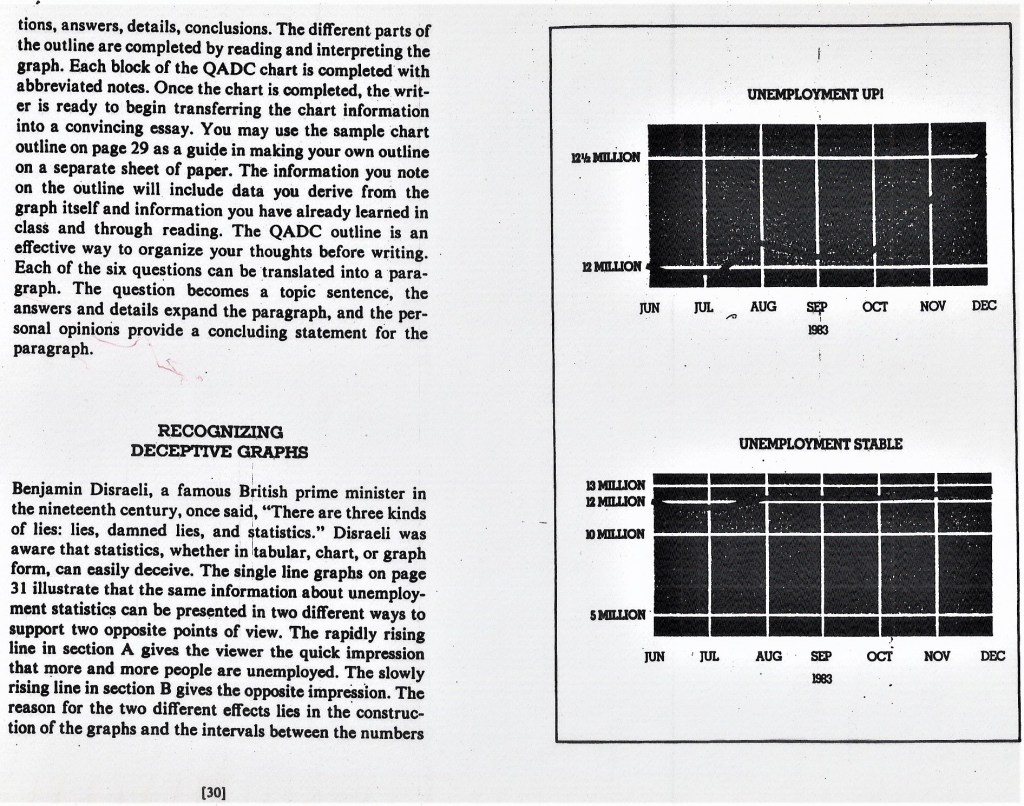
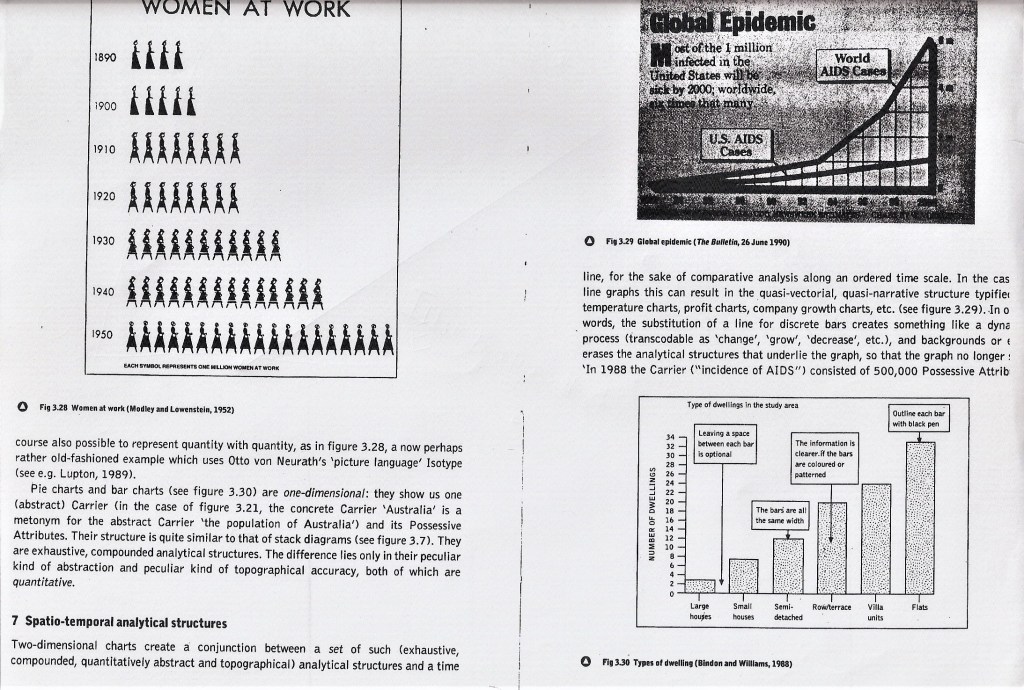
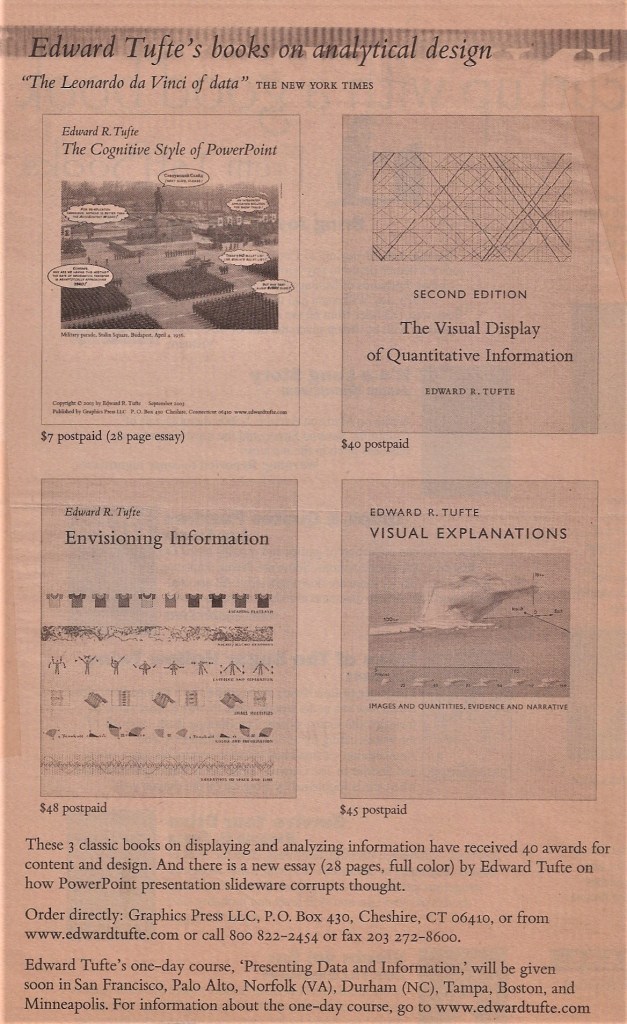


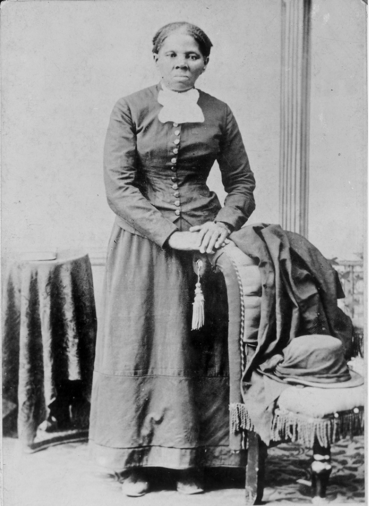


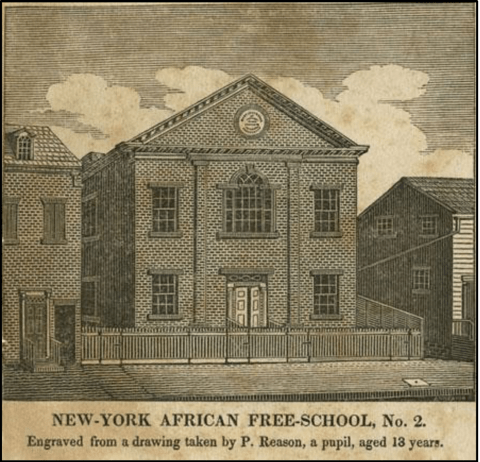

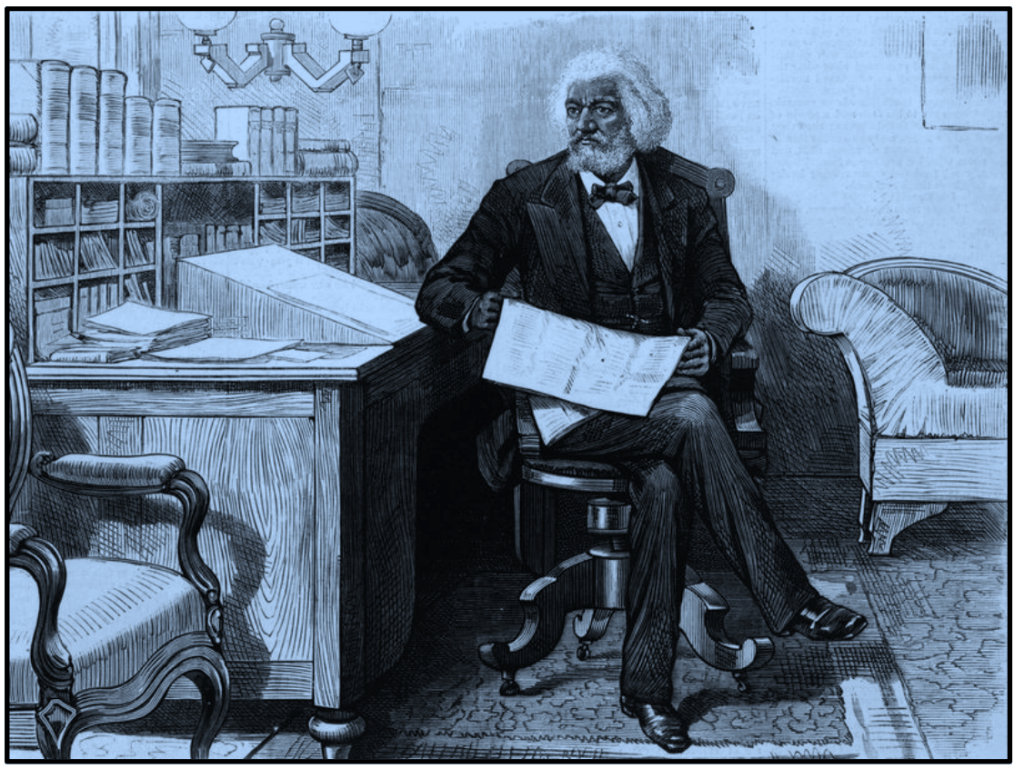

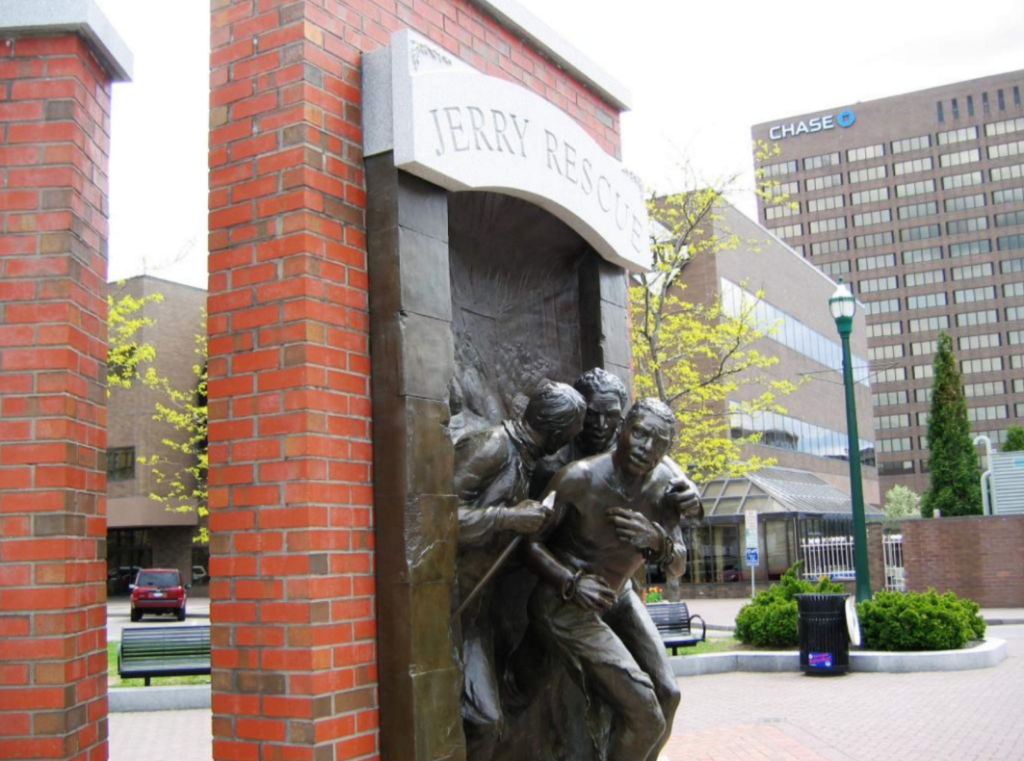


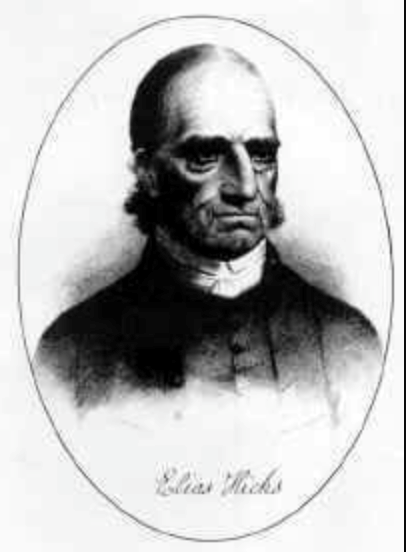


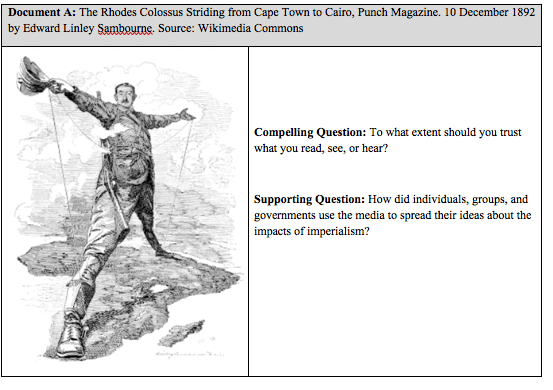

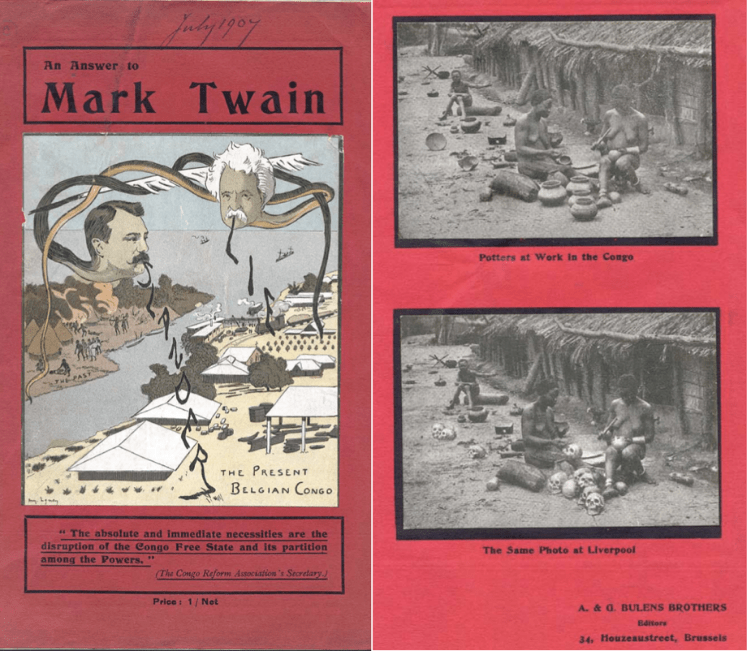



 njcssjournal