
A Brief History of France: People, History, and Culture, by Cecil Jenkins (Philadelphia, PA: Running Press. 2011)
Reviewed by Dr. Thomas Hansen, Ph.D
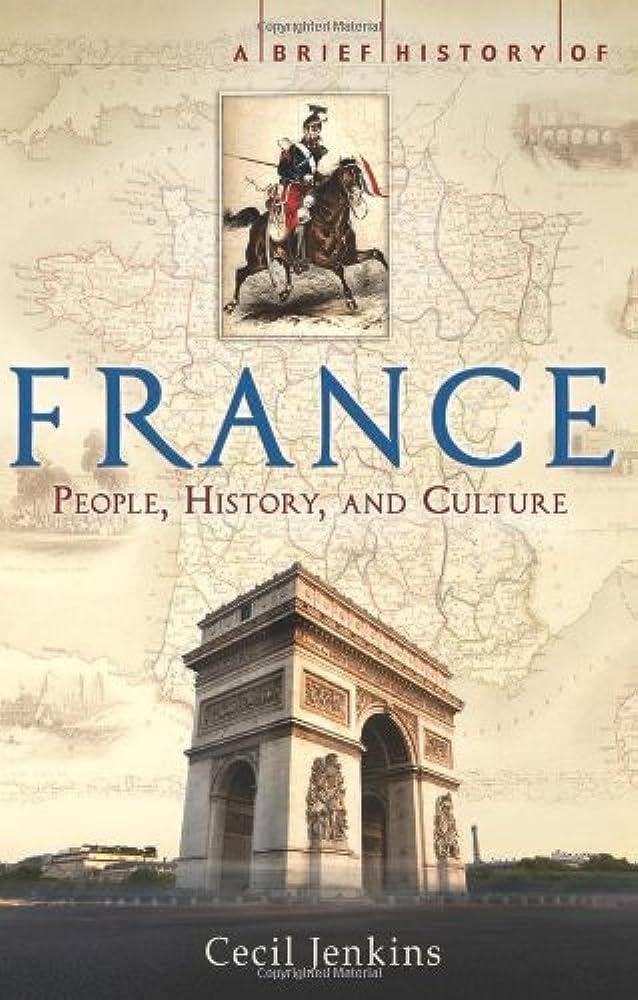
In 15 information-filled chapters, Jenkins gives us a decent amount of French history in a short book. Chapter One is called “Cro-Magnon Man, Roman Gaul and the Feudal Kingdom,” and the last chapter is called “France in the New Global Order.” By chapter 6 we are already reading about Napoleon, so if that is any indication of the coverage here you know that means most of the book is about the last few hundred years and not about Cro-Magnons or Romans or Celts. If you want more emphasis on those guys, you have to seek a different book.
Jenkins is a great writer, and he not only uses clever turns of phrase. He also uses a great deal of humor and fun in his writing. The book is enjoyable to read. I hold a BA in French Language & Literature, but I found a huge amount of information here I had not expected and had not known about before reading the book.
The book is really quite funny, at points. For example, on page 28, Jenkins explains, “Again, the old practice of dividing estates among the sons, which had created so many problems with the royal succession, caused continual private wars among the minor nobles who had often little else to do but strike knightly attitudes.”
This striking-a-pose reference is typical of the funny ways Jenkins tells us in more modern terms what went on in the French past. See, also, the mention of Philippe IV’s “cold good looks (p. 33) and the “déjà vu all over again” discussion on page 72 and the bitchiness notes on page 75.
Without giving too much of the actual content away, I will say here that the framework of French history gives Jenkins a wonderful playground to exercise in. He enjoys writing about this topic, obviously, and the reader will enjoy finding out about some of the more interesting and sometimes weird passages of time within the French world.’
Teachers of social studies and of history will probably like the book because of its approach and clever language. More advanced students—especially those who know something of French history—may like this also. It is not a very basic review of French history, however. It does demand some overall familiarity with the topic so that the reader can follow what is happening. I have read some other similar books recently on history of countries I knew little about and feel for those who read this one if they are not somewhat versed in French history.
This is a brief history, indeed, and best for those who need a good review and an exciting read about the topic. I recommend the book especially for Francophiles who want another perspective. This point of view is certainly refreshing.
 njcssjournal